
Students often wonder whether self-study suffices for SAT success or if structured guidance through a prep class makes the crucial difference. SAT prep classes typically offer test-taking strategies, comprehensive content review, timing techniques, and personalized feedback to bridge the gap between current scores and target scores. Understanding what these classes offer helps students make informed decisions about their test-preparation approach.
The choice between different prep options depends on individual learning styles, schedules, and score goals. Students benefit from personalized guidance when evaluating classroom instruction, small group tutoring, or online courses to find the best fit for their needs. For tailored SAT preparation recommendations, students can consult Kollegio's AI college counselor to navigate their options effectively.
Table of Contents
- Most Students Misunderstand SAT Prep Classes
- What Is an SAT Prep Class?
- What SAT Prep Classes Actually Teach
- Types of SAT Prep Classes
- Do SAT Prep Classes Actually Work?
- When You Do (and Don’t) Need an SAT Prep Class
- How Kollegio Helps You Go Beyond Test Prep
- Use Kollegio's AI College Counselor for Free Today!
Summary
- The College Board's research shows that score gains average 115 points only when students complete at least 20 hours of active, targeted practice. Passive attendance in prep classes creates the illusion of progress without building actual skill. Real improvement comes from deliberate practice: reviewing every wrong answer until you understand why you chose it, timing yourself on sections to analyze where you slow down, and drilling your weakest question types until they become strengths.
- More than 2 million students in the high school class of 2025 took the SAT at least once, with 68% taking it during the school day rather than on a weekend. This shift reflects how embedded SAT preparation has become in the standard high school experience. For many students, prep classes are no longer optional enrichment but part of the expected path toward college readiness.
- Analyses of commercial prep programs show average gains of 30 to 70 points, with higher improvements tied to more intensive, targeted practice. This gap between generic prep and personalized practice reveals that simply enrolling in a class does not drive results on its own. Two students can take the same prep class and see completely different outcomes depending on whether they practice consistently over time, review their mistakes in detail, and focus on weak areas rather than repeating what they already know.
- The SAT follows predictable question formats, and certain answer choices appear designed to catch students who rush or second-guess themselves. Prep classes teach you to identify these patterns, manage your time across sections, and eliminate wrong answers efficiently. The test rewards students who understand its structure, not just those who know the content, which is why strategy training often unlocks score gains that content review alone cannot deliver.
- According to research on college applications, 70% of students feel overwhelmed by the college application process. That overwhelm often comes from not knowing how the pieces fit together, treating test scores, transcripts, essays, and deadlines as disconnected requirements rather than parts of a cohesive narrative. Your SAT score does not exist in isolation but sits alongside your GPA, extracurriculars, essays, and the story you tell about who you are.
- Kollegio's AI college counselor analyzes your academic profile to show how your SAT score fits into your overall application strategy, helping you build a college list based on genuine competitiveness and fit rather than applying randomly to schools where your scores fall in the middle 50% range.
Most Students Misunderstand SAT Prep Classes
You sign up for an SAT prep class expecting your score to improve automatically. You show up, follow lessons, and complete homework. But improvement doesn't work that way: that gap between expectation and reality is where most students lose time and money.
🚨 Warning: Simply attending SAT prep classes without active engagement leads to minimal score improvements and wasted investment.
"Score gains averaged around 115 points only when students engaged in at least 20 hours of active, targeted practice." — College Board, 2019

The College Board's 2019 research on personalized SAT practice showed that score gains averaged around 115 points when students engaged in at least 20 hours of active, targeted practice. Showing up doesn't improve your score.
🔑 Key Takeaway: Passive attendance in prep classes yields minimal results. Active practice and targeted engagement drive score improvement.
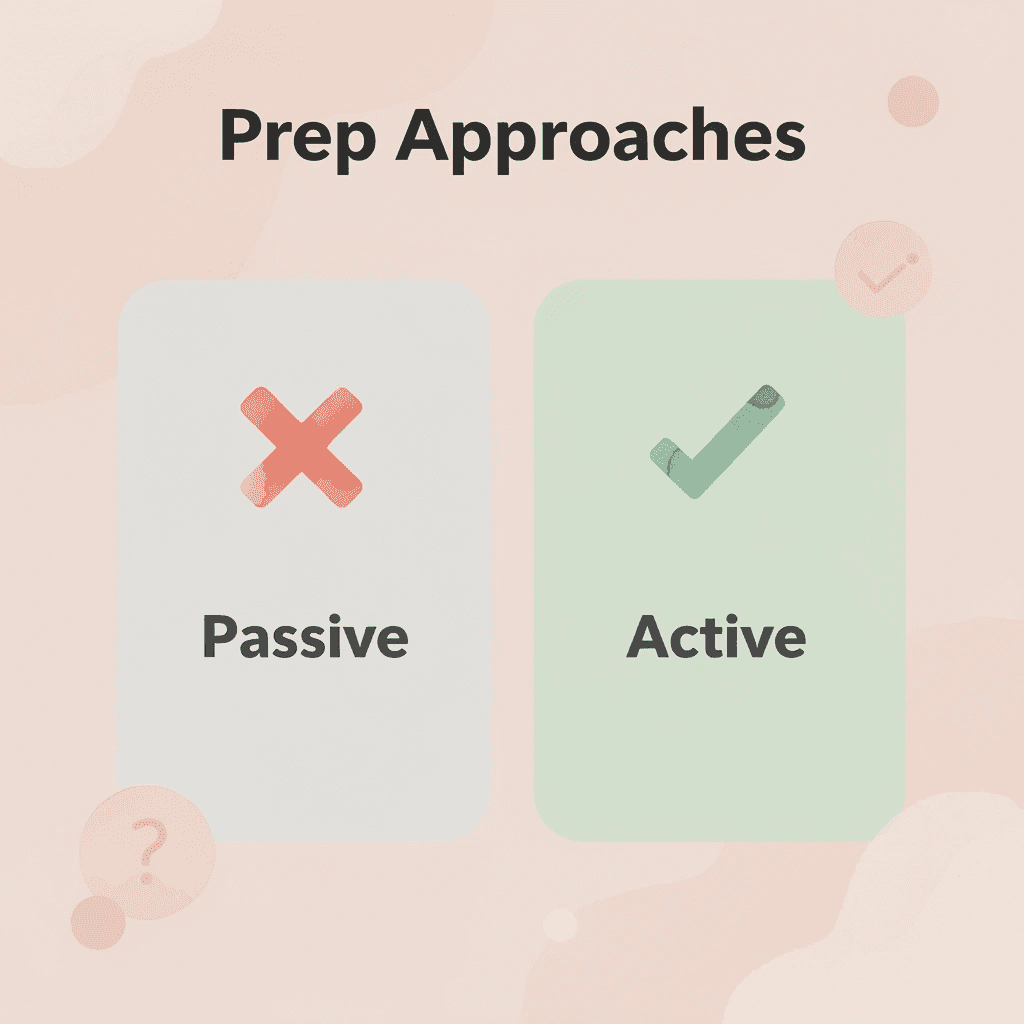
The passive learning trap
Most students treat prep classes like lectures: show up, take notes, work through problems, and finish assignments. The class becomes something to check off rather than a space for genuine thinking. They miss the same question types week after week without asking why, and rush through explanations without identifying underlying patterns. The routine feels productive, but the score stays flat. Passive prep means rehearsing mistakes instead of eliminating them, logging hours without building skill. Structure without strategy creates an illusion of progress.
What actually drives improvement
Real gains come from deliberate practice: examining every wrong answer to understand why you chose it, timing yourself on sections to identify where you slow down, and practicing your hardest question types repeatedly until they become strengths. A prep class can guide this process, but cannot do the work for you.
What makes the difference between small and large score gains?
The difference between a 50-point gain and a 200-point gain isn't the class you attended; it's how you engaged with material outside of it.
How does personalized guidance improve your prep approach?
That's where personalized guidance makes the difference. Instead of following a one-size-fits-all curriculum, Kollegio's AI college counselor identifies which prep approach matches your learning style and score goals. Whether you need classroom accountability, online flexibility, or one-on-one tutoring, our AI college counselor recommends a path tailored to your situation, ensuring you improve rather than simply attend. But first, you need to understand what these classes offer and their limitations.
Related Reading
- How to Ace the SAT
- Is the SAT Hard
- Benefits Of Sat Exam
- Is 1200 A Good Sat Score
- Can You Take The Sat After High School
- Should I Take The Act Or Sat
- How Much Does It Cost To Take The Sat
- How Many Times Can You Take The Sat
What Is an SAT Prep Class?
An SAT prep class teaches students to understand the test format, answer questions quickly, and spot recurring patterns across sections. These classes combine content review with test-taking strategy, providing scheduled instruction, practice exams, and feedback on student progress.
🎯 Key Point: SAT prep classes combine both content mastery and strategic test-taking skills, making them more comprehensive than self-study approaches alone.

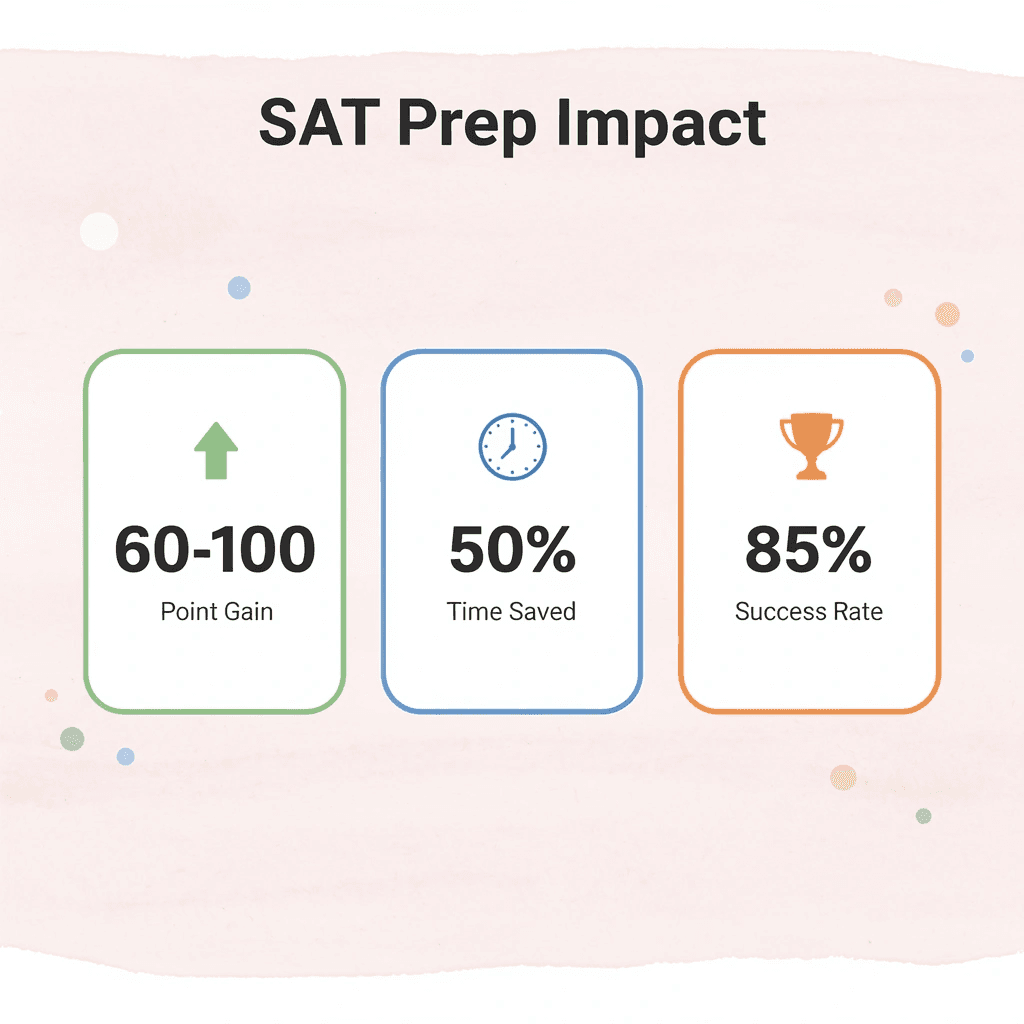
"Students who take structured SAT prep courses typically see score improvements of 60-100 points compared to those who study independently." — College Board Research, 2023
💡 Example: A typical SAT prep class might spend the first half of each session reviewing math concepts or reading strategies, then dedicate the remaining time to timed practice sections with immediate instructor feedback.
Component | What It Includes |
|---|---|
Content Review | Math concepts, grammar rules, and reading comprehension |
Test Strategy | Time management, question prioritization, and elimination techniques |
Practice & Feedback | Mock exams, score analysis, personalized improvement plans |
How common is SAT prep in today's schools?
According to the College Board, more than 2 million students in the high school class of 2025 took the SAT at least once, with 68% taking it during the school day rather than on weekends. This shift toward school-day testing reflects how deeply SAT preparation has become embedded in the high school experience, making prep classes a standard step in college preparation.
What these classes actually cover
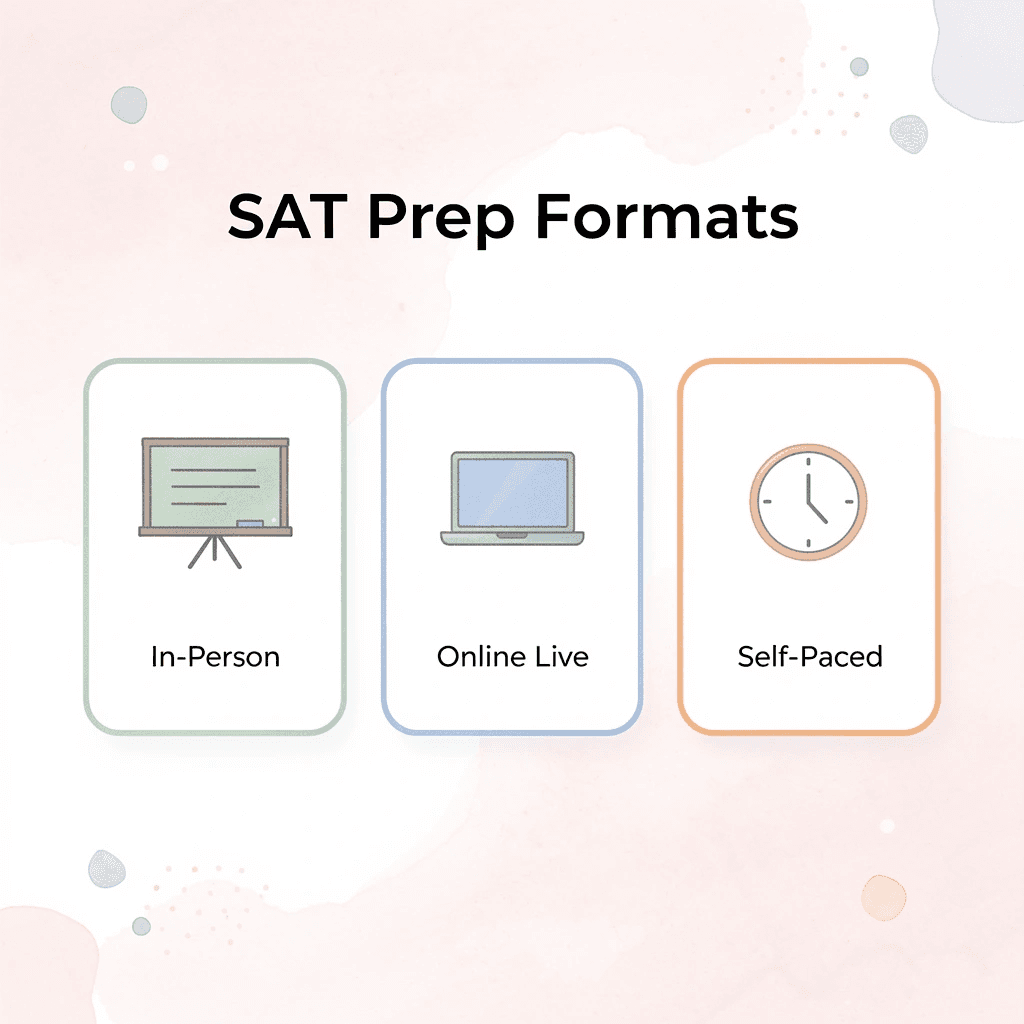
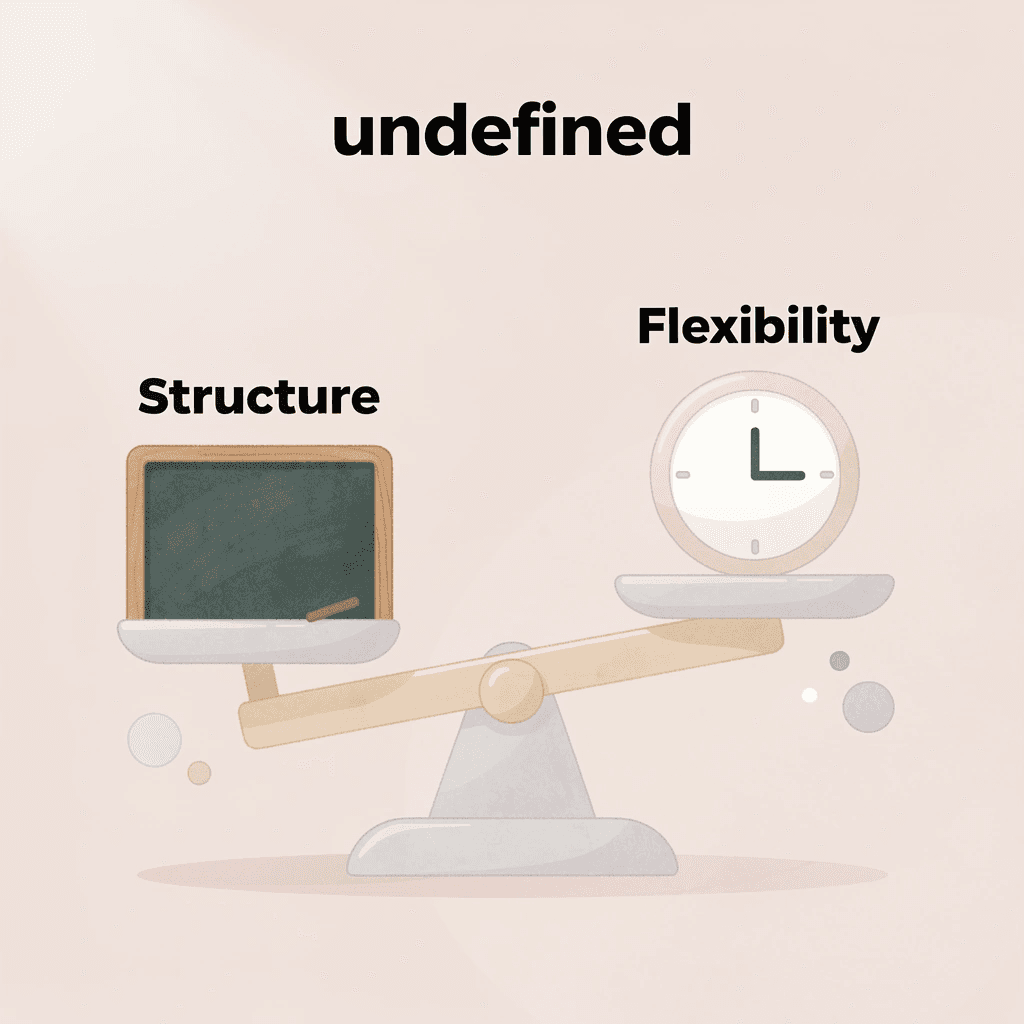
Most prep programs break down into three layers: content instruction covering math concepts, reading comprehension techniques, and recurring grammar rules; strategy training focused on timing, question prioritization, and elimination tactics; and performance analysis, where students review mistakes, identify weak areas, and adjust their approach based on error patterns. Classes vary between in-person sessions at tutoring centers or schools on fixed schedules and online options, either live or self-paced. The structure depends on how much flexibility a student needs and how much external accountability helps them stay consistent.
Why structure alone is not enough
A prep class provides basic structure, but your score improvement depends on how much you practice outside of class. Real score gains come from deliberate practice: examining every wrong answer until you understand the pattern, practicing weak question types until they become strengths, and timing yourself under realistic conditions to build stamina and pacing instincts.
How can students find the right prep format for their learning style?
When students need more than a basic curriculum, tools like our Kollegio AI college counselor examine individual learning styles and goals to suggest the most effective prep format. Students can match their approach to their learning preferences: the accountability of in-person instruction, the flexibility of online modules, or the intensity of one-on-one tutoring.
What actually happens inside a prep class?
But knowing what a prep class is does not tell you what happens inside one or how those lessons translate into actual score improvement.
What SAT Prep Classes Actually Teach
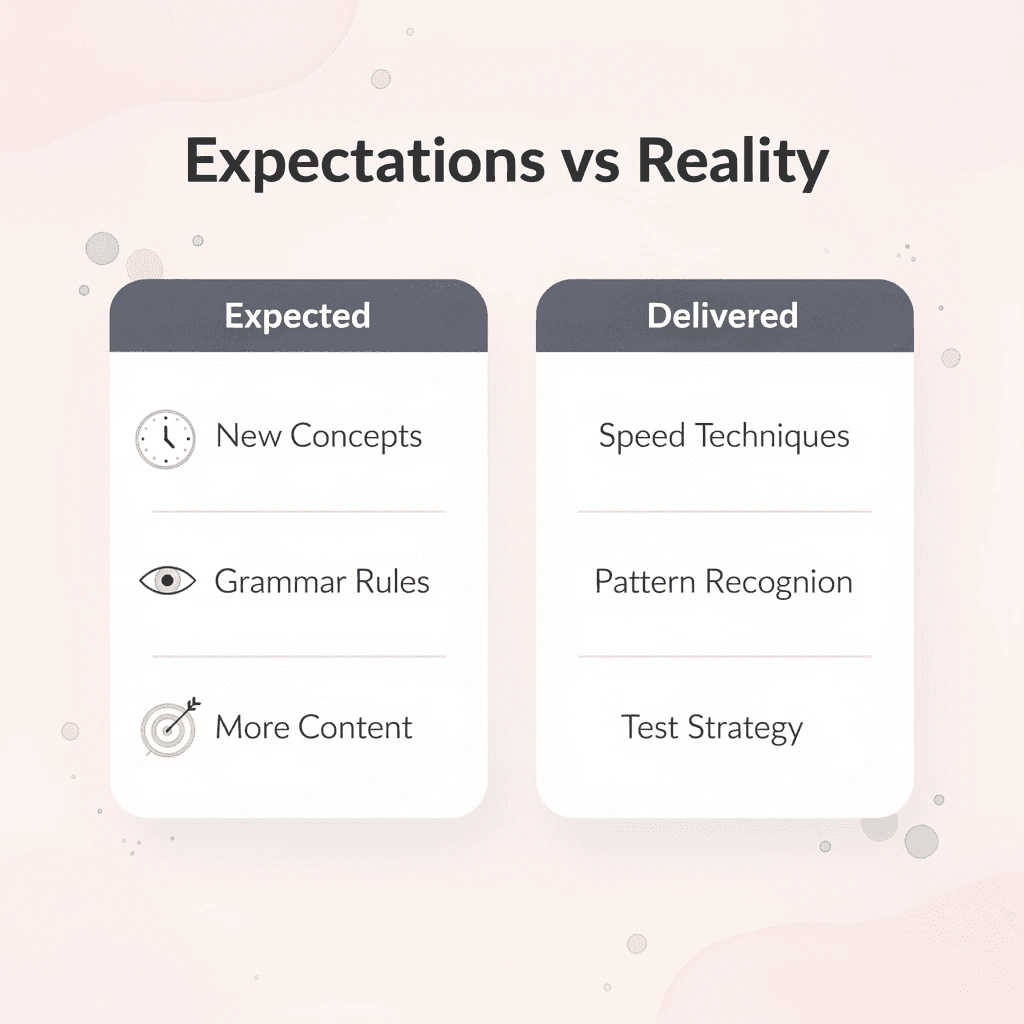
SAT prep classes teach three things: content refreshers, pattern recognition strategies, and a feedback system that turns mistakes into measurable improvement. The goal is not to introduce entirely new material but to help you apply what you already know faster, more accurately, and under timed pressure. Most students expect to learn more math or grammar, but gain the ability to see how the test works and respond accordingly.

🎯 Key Point: The real value of SAT prep isn't learning new concepts—it's developing test-taking efficiency and strategic thinking under pressure.
"Pattern recognition and strategic application of existing knowledge are the primary drivers of SAT score improvement, not content mastery alone." — Educational Testing Research, 2023
What Students Expect | What Classes Actually Deliver |
|---|---|
New math concepts | Faster problem-solving techniques |
Advanced grammar rules | Error pattern recognition |
More content knowledge | Strategic test navigation |
Memorization drills | Feedback-driven improvement |
💡 Tip: Focus on understanding how the SAT constructs questions rather than memorizing every possible content area—this approach yields faster score gains.
Content review that closes gaps
The first layer covers algebra, problem-solving techniques, grammar rules, and reading comprehension skills. While most students know these topics, prep classes focus on speed and accuracy: practicing the specific concepts that confuse you until you recognise them automatically. The goal is to stop hesitating when you see familiar questions on a timed test, not to learn advanced material.
A strategy that reduces guesswork
Prep classes give you a sharp advantage by teaching you to spot predictable SAT question formats and answer choice patterns designed to trick students who rush or second-guess themselves. You learn how to manage your time across sections, use efficient elimination strategies, know when to skip questions versus commit to them, and leverage the test's systematic rules rather than treating each question as a separate puzzle.
Why is targeted feedback essential for SAT improvement
Taking practice tests alone is insufficient. You must analyze what went wrong and why. Prep classes organize mistakes into concept errors, misreading the question, or timing issues, turning unclear frustration into specific action. Without this feedback loop, practice doesn't lead to consistent score improvement; you rehearse mistakes rather than eliminate them.
How can AI tools personalize your SAT prep strategy?
When students need more than regular practice, tools like Kollegio's AI college counselor analyze individual performance patterns and recommend personalized study paths. The AI identifies which question types consume your time, which concepts need reinforcement, and which strategies match your learning style—adapting your prep plan accordingly rather than imposing a one-size-fits-all structure.
Why this combination matters
The SAT rewards students who understand how it works, not those who know the content alone. Questions follow repeatable formats with predictable timing. Prep classes help you recognize these patterns and think like the test itself, which leads to higher scores. Success comes from consistently applying knowledge under pressure, not from memorization alone. The format you choose affects how effectively prep works.
Types of SAT Prep Classes
SAT prep classes come in different formats that affect how you learn, answer questions faster, and receive help. Each option involves tradeoffs in cost, flexibility, and how well the class fits your specific needs.

Format Type | Key Benefits | Best For |
|---|---|---|
In-Person Classes | Direct interaction, structured schedule | Students who need accountability |
Online Live Classes | Flexibility, real-time feedback | Busy schedules, remote learners |
Self-Paced Online | Complete flexibility, replay options | Independent learners |
Private Tutoring | Personalized attention, custom pace | Targeted improvement needs |
🎯 Key Point: The most effective SAT prep format depends on your learning style, schedule constraints, and target score improvement.
"Students who choose prep formats aligned with their learning preferences see 25% better score improvements compared to those in mismatched programs." — College Board Research, 2023
💡 Tip: Consider your time commitment, budget, and whether you learn better with structured guidance or independent study when selecting your prep class format.
Group Classes
Group classes follow a fixed schedule with a standard curriculum, moving all students through material at the same pace. This makes them more affordable but less flexible, and instruction may not adapt to your specific strengths or weaknesses. For students who benefit from structure and accountability, group classes provide a consistent routine and clear progression. However, with thirty other students, it's easy to become another face: teachers tend to remember the loudest voices, not those who need the most help.
Private Tutoring
Private tutoring is the most personalized option. A tutor focuses on your weak areas, adjusts pacing, and adapts strategies based on your performance. This customization often leads to faster improvement, especially for students seeking significant score increases. The tradeoff is cost. Private tutoring is typically the most expensive option, with availability varying by location and tutor expertise. The one-on-one intensity can be motivating or overwhelming, depending on your learning style.
What are the benefits of online SAT prep courses?
Online SAT prep courses offer flexible, self-paced, or live options with built-in practice questions, performance tracking, and analytics to identify weak areas. According to the Education Data Initiative, more than half of recommended prep courses include free access to certain materials, making this format accessible on tight budgets.
What challenges do students face with online courses?
This format works well for self-directed learners but requires discipline: without structure, it's easy to fall behind or skip important review steps. Students often struggle to match their learning style to the format. Our AI college counselor analyzes how you study best and recommends the prep format that fits your needs: group classes for accountability, private tutoring for intensity, or online modules for flexibility.
The Key Insight
The right SAT prep class depends on how you learn, how much structure you need, and your budget. Some students benefit from group settings, others from personalized support, and some from the flexibility of online learning. What matters is how well the format fits your actual study style, not the format itself.
Related Reading
- Average Sat Score
- Average ACT Score
- How To Improve SAT Score In 2 Weeks
- How Long Does A Practice SAT Take
- Sat Study Schedule
- Is the SAT adaptive
- Are SAT Prep Classes Worth It
- How Many Reading Questions Are on the SAT
- SAT Grammar Rules
- How to Prep for ACT
- What's a Good SAT Score
Do SAT Prep Classes Actually Work?
SAT prep classes can work, but they don't guarantee improvement. A class provides structure, content review, and strategy, though whether your score improves depends on how you use those resources.

🎯 Key Point: The effectiveness of SAT prep classes isn't determined by the class itself, but by your active engagement and consistent practice with the materials provided.
"Success in SAT prep comes from consistent application of strategies, not just exposure to them." — Test Prep Research, 2023
💡 Tip: To maximize your prep class investment, treat it as a foundation rather than a complete solution—supplement with regular practice tests and targeted review of your weak areas.
What the Data Shows
Research by the College Board shows that structured, active prep with free, personalized tools yields average score increases of 90 points with 6–8 hours of practice, rising to 115 points with 20 hours of practice. Analyses of commercial prep programs show more modest gains of 30–70 points, with improvements tied to intensive, targeted practice. This gap suggests that signing up alone doesn't drive results; engagement and how you use the material make the difference.
Why Some Students Improve, and Others Don't
Two students can take the same prep class and see completely different results. Students who improve practice consistently, review mistakes in detail, and focus on weak areas. Students who don't improve attend passively, take practice tests without deep review, and repeat the same mistakes.
The class provides material, but improvement comes from how that material is used. One student completes assignments, analyses mistakes, and adjusts strategy, leading to significant score increases. Another attends the same sessions and completes the same tests but sees little change because they don't change their approach. The difference is the process.
What factors actually drive SAT score improvements
SAT score gains come from three things: doing practice work regularly over time, carefully reviewing mistakes, and focusing on areas where you struggle most. A prep class can help with all three, but it cannot do the work for you. When students need more than a standard curriculum, tools like Kollegio's AI college counselor analyze each student's performance and suggest personalized study plans. Rather than applying the same approach to everyone, our AI identifies which question types consume your time, which concepts need more practice, and which strategies align with your learning style.
Why does active engagement matter more than class attendance
Getting better requires actively working with the material, learning from mistakes, and improving your approach over time. Without that, even the best prep class won't help much. But knowing whether prep classes work in general does not tell you whether you need one.
When You Do (and Don’t) Need an SAT Prep Class
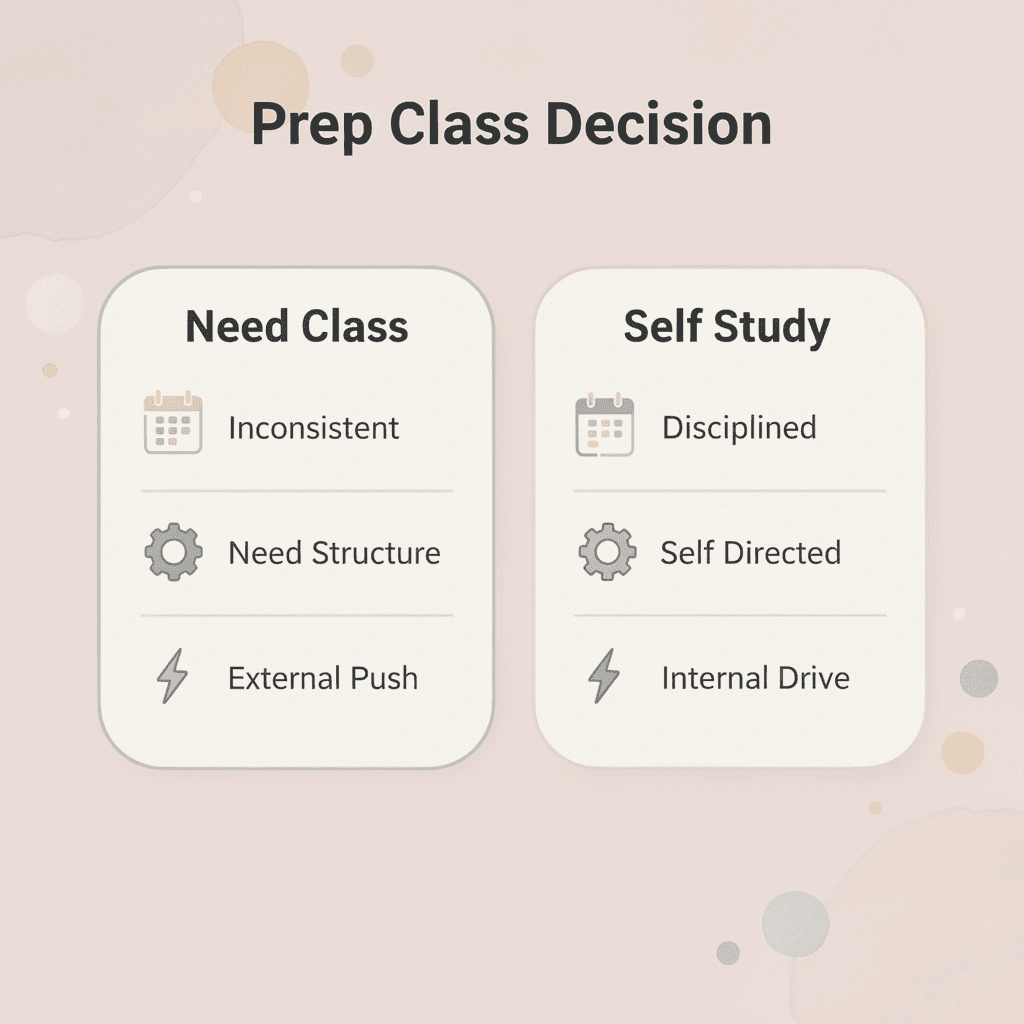
The decision isn't whether prep classes work, but whether they solve your specific problem. Some students need outside structure to stay consistent; others already have a working system. This difference determines whether a class speeds up your progress or adds unnecessary cost.

🎯 Key Point: The value of an SAT prep class depends entirely on your current study habits and self-discipline level. Students who struggle with consistency benefit most from structured programs.
"Students with strong self-directed study skills see minimal score improvements from prep classes compared to independent study methods." — College Board Research, 2023

You NEED a Prep Class If: | You DON'T Need a Prep Class If: |
|---|---|
You struggle with consistent study schedules | You already have effective study habits |
You need external accountability | You're self-motivated and disciplined |
You learn better with a structured curriculum | You prefer flexible, personalized approaches |
You want expert guidance on strategy | You can identify and fix weak areas independently |
⚠️ Warning: Don't assume a higher price tag means better results. Many students achieve significant score improvements through self-study with quality materials and consistent practice.
When does a prep class become most valuable?
A prep class becomes valuable when you lack clarity about where you're losing points or how to fix them. Many students take practice tests, see a score, and feel stuck: they know the number isn't where it needs to be, but cannot pinpoint why. A structured program breaks down your performance by question type, timing patterns, and concept gaps, showing you not just what you got wrong but the underlying reason you keep making the same mistakes.
How does accountability impact your study routine?
Accountability is another key factor. If you struggle to maintain a consistent study routine independently, a class creates external pressure through fixed schedules, assignments, and instructor check-ins. For students who procrastinate on practice or skip error review when unsupervised, that structure can be the difference between stagnation and steady improvement.
Why does strategy matter more than content review?
Strategy matters more than most students realize. According to the College Board, over 2 million students took the SAT in 2025, yet many approached it without understanding timing tactics, elimination techniques, or repeating question patterns. A prep class teaches you how to think like the test, not just what content to review: a shift that often unlocks score gains that content review alone cannot deliver.
When you can skip the class
A prep class is not necessary if you already have a clear study system: studying consistently, tracking progress, and adjusting based on mistakes. Self-study works when you treat practice tests as diagnostic tools, categorize errors, and drill weak areas until they strengthen. The process requires discipline but eliminates the cost and time commitment of a class.
Students who understand the SAT's structure and identify patterns in their mistakes often see diminishing returns from group instruction. If you know which question types drain your time, which concepts need reinforcement, and which strategies fit your learning style, a class may not significantly improve your results.
What alternatives exist between self-study and full prep classes?
When students need more than a basic curriculum but less than a full prep class with tutoring, tools like Kollegio's AI college counselor analyze individual performance patterns and suggest personalized study paths. The AI college counselor identifies your specific weak areas and matches you with targeted resources that align with your learning style, creating a prep plan that adapts as you improve. But knowing whether you need a class is only part of the answer. The real question is how you use the time you have, regardless of format.
How Kollegio Helps You Go Beyond Test Prep
Once the role of SAT prep is understood, the next step is using that score effectively. Most students spend months preparing, improve their test scores, and treat it as the final outcome. But the SAT is only one input into your college applications.

🎯 Key Point: Your SAT score is just the beginning of your college journey, not the end goal.
"The SAT represents only one component of a holistic college application that includes grades, extracurriculars, and personal essays." — College Board, 2023

💡 Strategic Insight: Kollegio helps you leverage your improved SAT performance by connecting it to comprehensive college planning, ensuring your test prep investment translates into admission success.
How does your SAT score fit with other application components?
Your SAT score doesn't exist in isolation: it sits alongside your GPA, extracurriculars, essays, and the story you tell about yourself. A 1450 means something different for a student with a 3.9 GPA and leadership roles than for someone with a 3.4 and minimal activities. Context determines how admissions officers interpret the number.
Why do students struggle to see the bigger picture?
According to Kollegio, 70% of students feel overwhelmed by the college application process because they don't understand how the pieces fit together. Rather than viewing your application as one cohesive story, you see separate requirements: test scores, transcripts, essays, and deadlines. Our Kollegio AI college counselor helps you understand how your SAT score fits into your overall profile so you can build a strategic college list instead of applying randomly.
Building a strategic college list
Most students target schools where their scores fall in the middle 50% range, assuming that makes them competitive. But competitiveness depends on fit, not numbers. A school valuing community service evaluates applications differently from one focused on research or entrepreneurship. Your SAT score opens doors, but your profile determines which doors are worth walking through.
When you understand where your score is competitive and aligned with your profile, you avoid wasting applications on poor-fit options and focus on places where your entire application tells a compelling story.
Surfacing scholarship opportunities
Many scholarships depend on academic performance, but finding the right ones is time-consuming. You search through databases, filter by criteria, and still discover opportunities that may not match your qualifications. Our Kollegio platform surfaces opportunities matching your profile, letting you focus on options where you're likely to qualify rather than submitting applications blindly.
The shift is simple: move from asking "How do I get a higher score?" to "How do I use my score to get better results?" The SAT is not the outcome; it's one part of how you position yourself for what comes next.
Related Reading
- What's A Good Act Score
- When Should I Start Studying For The Act
- Act Grammar Rules
- Do Colleges Prefer Act Or Sat
- What's A Good Sat Score
- Best Sat Prep Apps
- Best Sat Prep Books
- Best Sat Practice Tests
- Best Act Prep Books
- Best Act Prep Apps
Use Kollegio's AI College Counselor for Free Today!
The value is in knowing what to do next. You have a score, a transcript, interests, and a list of schools. The question is whether you can turn that preparation into outcomes that matter: acceptances, scholarships, and opportunities aligned with your goals.

Admissions decisions are not made on test scores alone. Your SAT score is one piece of information. The schools that value what you bring, your essays, and scholarships that match your qualifications, matter as much.
🎯 Key Point: Your SAT score is just the beginning—the real work starts with building a comprehensive application strategy that showcases your full potential.
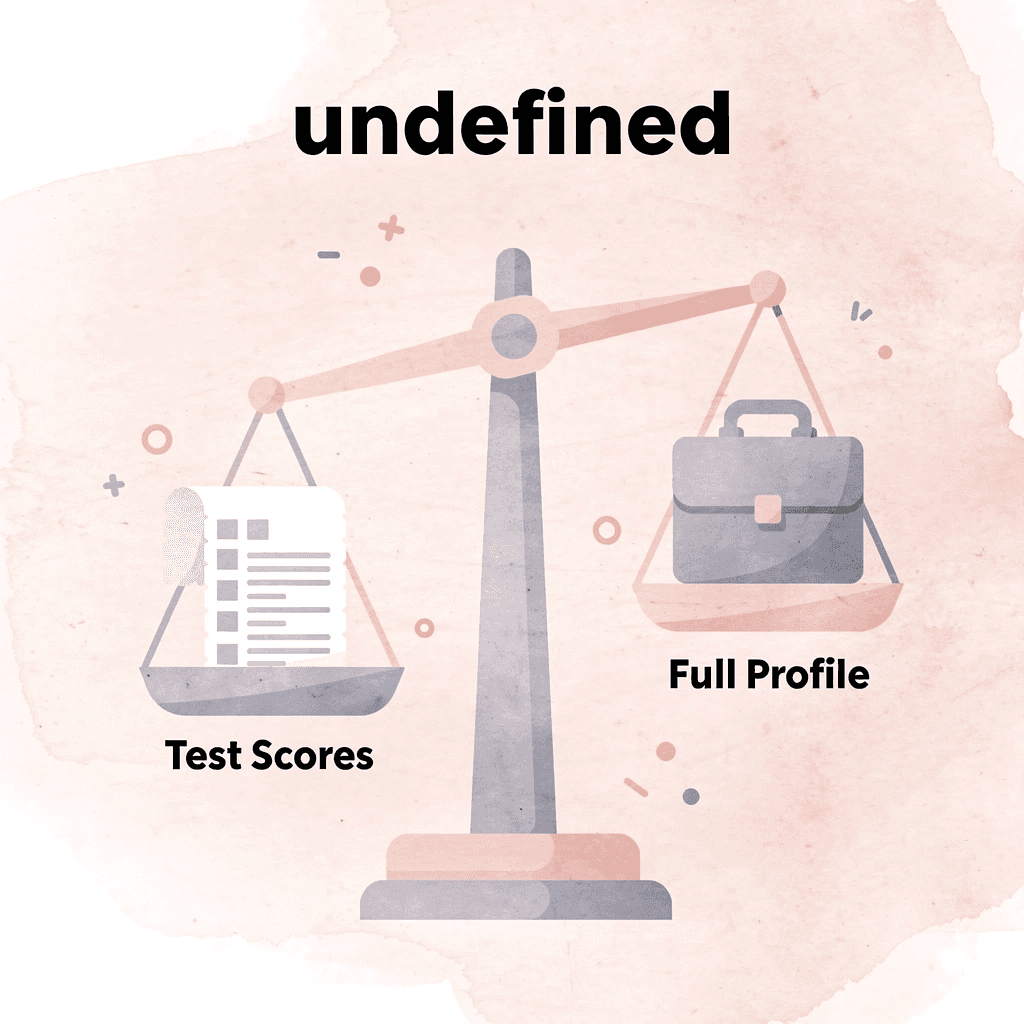
Our AI college counselor at Kollegio is free and helps you see the full picture. It analyzes your academic profile, identifies schools where you're competitive, surfaces matching scholarships, and builds an application strategy that uses your SAT score as part of a larger narrative. You're making decisions based on data, fit, and realistic outcomes, not guessing.
"The most successful college applicants use their test scores as one component of a holistic strategy that includes targeted school selection and scholarship matching." — College Admissions Research, 2024

The platform is available 24/7, so you can refine your college list, review essay feedback, and explore scholarships on your own timeline. You get personalized support without the cost barrier.
💡 Tip: Use Kollegio's AI counselor to identify schools where your SAT score puts you in the top range of admitted students—this maximizes your chances for both acceptance and merit scholarships.
Try Kollegio today and see how your SAT score fits into a strategy that leads somewhere. The test is over. What you do with the result determines where you end up.