
The SAT stands as a crucial milestone in college admissions, yet many students struggle to know where to begin their preparation. Mastering this standardized test requires more than just practice questions—it demands strategic approaches to time management, understanding of exam format, and targeted improvement techniques. Students who learn how to ace the SAT often discover that success comes from combining proven study methods with personalized preparation strategies.
Effective SAT preparation benefits significantly from individualized guidance that adapts to each student's unique strengths and challenges. Rather than following generic study plans, successful test-takers often rely on customized approaches that target specific areas for improvement while building on existing skills. Students seeking this level of personalized support can benefit from working with an AI college counselor that provides tailored study plans and adaptive practice resources.
Table of Contents
- Most Students Study Hard and Still Don’t Improve
- What It Actually Means to “Ace the SAT”
- How the Digital SAT Works (What Matters Most)
- 4 Strategies That Actually Improve SAT Scores
- Why Most SAT Study Plans Fail
- How Kollegio Helps You Turn Your SAT Score Into Better Outcomes
- Use Kollegio's AI College Counselor for Free Today!
Summary
- Most students study hard but don't see improvements in SAT scores because they're repeating the same errors across different formats rather than identifying and correcting specific patterns. According to a HarrisX study on the Class of 2025, 62% of high school students say they study hard but don't see improvement in their grades. The issue isn't dedication, it's that studying harder without studying smarter creates a loop where effort feels productive but produces no measurable change. Without pattern-based correction that isolates why specific errors recur, students reinforce weaknesses through repetition rather than building skills.
- The digital SAT's adaptive format makes early accuracy disproportionately important because your performance on the first module determines the difficulty and scoring ceiling of the second module. A few careless mistakes at the start don't just cost you those points; they shift your entire scoring trajectory downward, even if you answer every question perfectly in the second module. The test front-loads the stakes, which means generic practice that treats all questions equally doesn't prepare students for the reality that the first 20 minutes carry more weight than the rest of the exam.
- Only 7 percent of SAT test-takers earned a 1400 or higher according to College Board SAT Suite Program Results, which means students applying to schools where their score falls below the middle 50% range are at a disadvantage. A 1450 with strong essays and meaningful extracurriculars can outperform a 1550 with weak surrounding context, but only if students build college lists where their SAT score strengthens their application rather than barely qualifying them. The difference between a strategic score and a wasted one depends on understanding where that number actually makes you competitive.
- Students spend an average of 5 minutes 21 seconds on each practice question when using materials that don't match the actual test structure, according to CollegeWise Blog. That timing doesn't prepare them for the rapid context-switching the adaptive format demands. Practicing in the wrong format builds habits that collapse under real test conditions, where you need to move quickly through easier questions, manage time for harder ones, and maintain accuracy under pressure without the luxury of extended problem-solving time.
- Sixty percent of students fail to improve their SAT scores despite consistent practice because they skip structured review processes and treat finishing a practice test as the goal rather than the starting point, according to AlphaTest Blog. Without understanding why mistakes happened, what pattern they belong to, and how to avoid them next time, students document errors instead of learning from them. The gap between understanding concepts when reading a guide and executing them in 30 seconds while managing multiple question types is where most study plans break down.
- High school counselors manage an average of 482 students each, making personalized guidance on how to position SAT scores within cohesive application narratives nearly impossible to access. Kollegio's AI college counselor addresses this by analyzing student profiles to build college lists based on competitive positioning, filtering scholarships by actual stat alignment, and connecting academic performance to opportunities where scores provide real advantages rather than just baseline eligibility.
Most Students Study Hard and Still Don't Improve
Students spend hours doing practice tests, review sessions, and prep materials, but their scores don't improve. The problem isn't that they don't work hard enough: studying harder without studying smarter creates the illusion of progress while producing no real results.

🎯 Key Point: Working harder without strategic methods creates the illusion of progress while keeping you stuck at the same performance level.
"The difference between high and low achievers isn't the amount of time spent studying—it's the quality of study methods used during that time."

⚠️ Warning: Many students mistake busy work for productive studying, leading to frustration when test scores remain flat despite increased effort.
Why do students repeat the same mistakes without realizing it?
According to a HarrisX study on the Class of 2025, 62% of high school students say they study hard but don't see improvement in their grades. This pattern appears in SAT prep: you take a practice test, check answers, note mistakes, and move to the next one. The format changes, but the mistakes don't. You're repeating the same errors in different packaging, creating the illusion of progress without substance.
What makes most study routines ineffective?
Most students follow a study routine that feels productive but works like a treadmill: complete sections, review explanations, clock hours. But if you consistently miss questions involving subject-verb agreement, polynomial functions, or inference-based reading passages, general practice won't address those gaps. You need to isolate the specific patterns causing errors and correct them directly.
Why does repetition without targeting fail?
Without that focused approach, you're reinforcing weaknesses through repetition rather than building skills. One student spent over an hour on ten questions, only to see their score move from 420 to 430 after finishing an entire prep book. The time investment was significant; the improvement wasn't. That's a methodology problem.
Why does pattern recognition matter more than practice volume?
Getting better scores comes from pattern-based correction, not simply doing more practice. If you lose points on the same types of questions across multiple tests, the problem isn't that you need more practice—it's that you haven't identified why those errors keep occurring.
Are you misreading the question, missing an important concept, or running out of time? Each problem requires a different solution, and regular practice won't help you identify the difference.
What happens when study methods don't target specific weaknesses?
Education Week reports that U.S. students experienced sharp declines in math and science performance. When study methods don't address specific weaknesses, effort disconnects from results.
You feel busy, but your accuracy and timing don't improve, and your confidence may drop because the work isn't turning into progress.
How do AI-powered platforms change the approach to test prep?
Platforms like Kollegio's AI college counselor work differently. Instead of providing more practice questions, the system analyzes your error patterns and creates a study plan targeting your actual weak points.
If you keep missing inference questions or having trouble with quadratic equations, the platform focuses your work there with targeted exercises and real-time feedback. This shifts your approach from doing more work to fixing mistakes, where real score improvement happens.
The real question isn't whether you're working hard enough: it's whether your effort forces the kind of improvement that shows up in your score.
Related Reading
- Is the SAT Hard
- What is SAT Prep Class
- Benefits Of Sat Exam
- Can You Take The Sat After High School
- Should I Take The Act Or Sat
- How Many Times Can You Take the SAT
- Is 1200 A Good Sat Score
- How Much Does It Cost To Take The Sat
What It Actually Means to “Ace the SAT”
Doing well on the SAT doesn't mean getting everything right—it means understanding how the test works and maximizing your points. Most students aim for a 1600, but the real goal is reaching the score threshold that opens the opportunities you need.
🎯 Key Point: Strategic scoring beats perfectionism every time. Focus on maximizing your point potential rather than chasing an impossible perfect score.
"The difference between a good SAT score and a great SAT score isn't about perfection—it's about strategic preparation and smart test-taking."
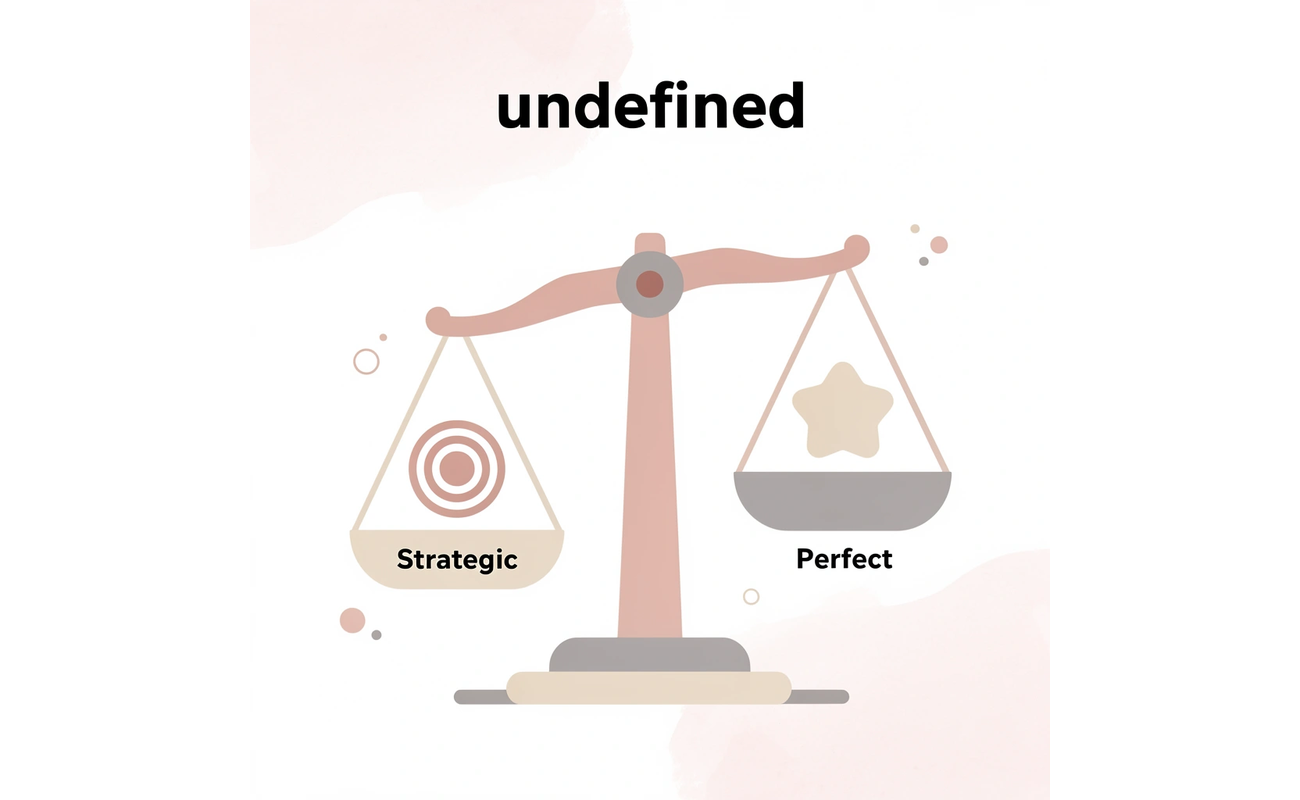
⚠️ Warning: Don't fall into the 1600 trap. Most successful students score between 1200 and 1500 and still get into their dream schools by setting realistic targets and making consistent improvements.
What score range should you target for your specific goals?
A 1520+ score puts you in range for highly selective schools, according to Curvebreakers Test Prep. However, if your target schools accept students with scores in the 1300s, pursuing an extra 200 points may not affect your chances of admission.
How can context matter more than raw scores?
A 1450 with strong essays, meaningful extracurriculars, and a clear academic focus can outperform a 1550 with weak surrounding context. Know what score serves your goals. If you're applying to engineering programs at MIT or Stanford, a 1520+ in math-heavy sections carries weight. If you're targeting liberal arts colleges that value holistic applications, a balanced 1400 with compelling personal narratives may be more strategic than pursuing another 50 points.
How does the adaptive format change what acting requires?
The digital SAT is adaptive: your performance on the first module determines the difficulty of the second. Perform well on the first set of questions, and you unlock a harder second module where you can score higher points. If you struggle early on, your highest possible score drops, even if you answer every question correctly in the second module. The test rewards strong early performance and accuracy over the ability to recover from mistakes later.
What mistakes do students make with the adaptive format?
Most students lose points by treating the first module as a warm-up, saving their focus for later sections. By the time they settle in, they've already been routed into a lower-difficulty path. The test doesn't care if you found your rhythm halfway through.
How can AI tools help with adaptive test preparation?
Platforms like Kollegio's AI college counselor help by analyzing where early mistakes occur and building focused practice around those moments. Our AI college counselor identifies whether you're misreading questions under time pressure, missing foundational concepts, or losing accuracy as difficulty increases—addressing the specific behaviors that cost you points in adaptive testing.
How does understanding the SAT's adaptive nature change your approach?
Every question you answer shapes the next set of questions you see. A careless mistake early doesn't cost you one question—it shifts your entire scoring range downward. The test is designed to measure your ability to perform under structure, and that structure rewards students who understand they're playing a system, not completing a worksheet.
What separates students who ace the SAT from those who struggle?
Students who perform well on the SAT treat it like a strategic task. They identify which question types take the most time, which concepts they cannot afford to miss, and how to allocate effort across sections to achieve the best possible score. They study the test itself, learning to move through it with precision.
But knowing how the test works matters only if you know what happens when you arrive.
How the Digital SAT Works (What Matters Most)
The Digital SAT runs for 2 hours and 14 minutes and adapts based on your performance. Understanding the structure before test day helps you move through each module efficiently. The test rewards students who recognize question patterns and apply appropriate strategies without wasting mental energy on trial-and-error.

🎯 Key Point: The adaptive format means your performance on earlier questions directly impacts the difficulty level of later questions, making strong preparation absolutely essential.
"The Digital SAT's adaptive testing format rewards students who recognize question patterns and apply targeted strategies efficiently." — College Board Testing Research, 2024

⚠️ Warning: Students who go in unprepared often waste precious time figuring out question types during the actual test, which can lower their scores significantly.
What makes the new Reading and Writing format different?
You're not reading long passages followed by multiple questions. Instead, each question connects to a short passage or prompt (25 to 150 words). One passage, one question. This shift changes what the test measures: you're not asked to hold information across multiple questions or track complex arguments over several paragraphs.
You're tested on how quickly you can extract meaning, identify structure, and apply the correct reasoning pattern in isolation.
How does this format change the challenge?
This format removes the stamina component but increases the precision requirement. Misreading a single sentence or missing a grammatical detail costs you the point with no chance to recover context from surrounding questions.
Grammar rules, vocabulary in context, logical reasoning, and sentence structure appear in rapid succession. The challenge lies in switching between question types without losing accuracy.
What does the math section actually measure?
The math section lets you use a calculator throughout, including a built-in Desmos calculator in the testing app. You're not being tested on calculation speed or solving quadratic equations by hand. You're being tested on whether you can set up the problem correctly, interpret the question, and choose an efficient path to the answer.
How can you recognize what approach each problem requires?
Algebra, advanced maths concepts, and problem-solving with data analysis form the main content areas. The skill being tested is whether you can recognise which approach fits the problem at hand.
Can you turn a word problem into an equation without overcomplicating it? Can you read a data table and extract the information you need? Can you distinguish between questions that test conceptual understanding and those that test computational accuracy? Students who miss that difference waste time on manual calculations that a calculator could perform while overlooking the actual thinking the question demands.
How does adaptive scoring change your preparation strategy?
The test adjusts difficulty based on your performance in the first module of each section. If you answer most questions correctly, the second module becomes harder but allows a higher score. If you struggle in the first module, the second module becomes easier but caps your maximum score.
Getting answers right at the start is important: a few careless mistakes at the beginning don't just cost you those points; they change your entire scoring path downward, even if you answer every other question perfectly.
Why don't traditional practice methods work for adaptive tests?
Most students treat practice tests like endurance drills, assuming all questions matter equally. They don't. The test places the most important questions at the beginning. If you're not sharp in the first 20 minutes, you've already limited your highest possible score.
Generic practice won't improve scores. You need to train specifically for early-stage accuracy under time pressure by identifying which question types trip you up as you settle into the test and fixing those patterns before they cost you the adaptive advantage.
4 Strategies That Actually Improve SAT Scores
Score improvements come from deliberate, targeted work, not volume. The difference lies in how you spend your study time and what you focus on.
🎯 Key Point: Quality beats quantity every time when it comes to SAT preparation. Students who focus on targeted practice in their weakest areas see significantly higher score gains than those who simply put in more hours.
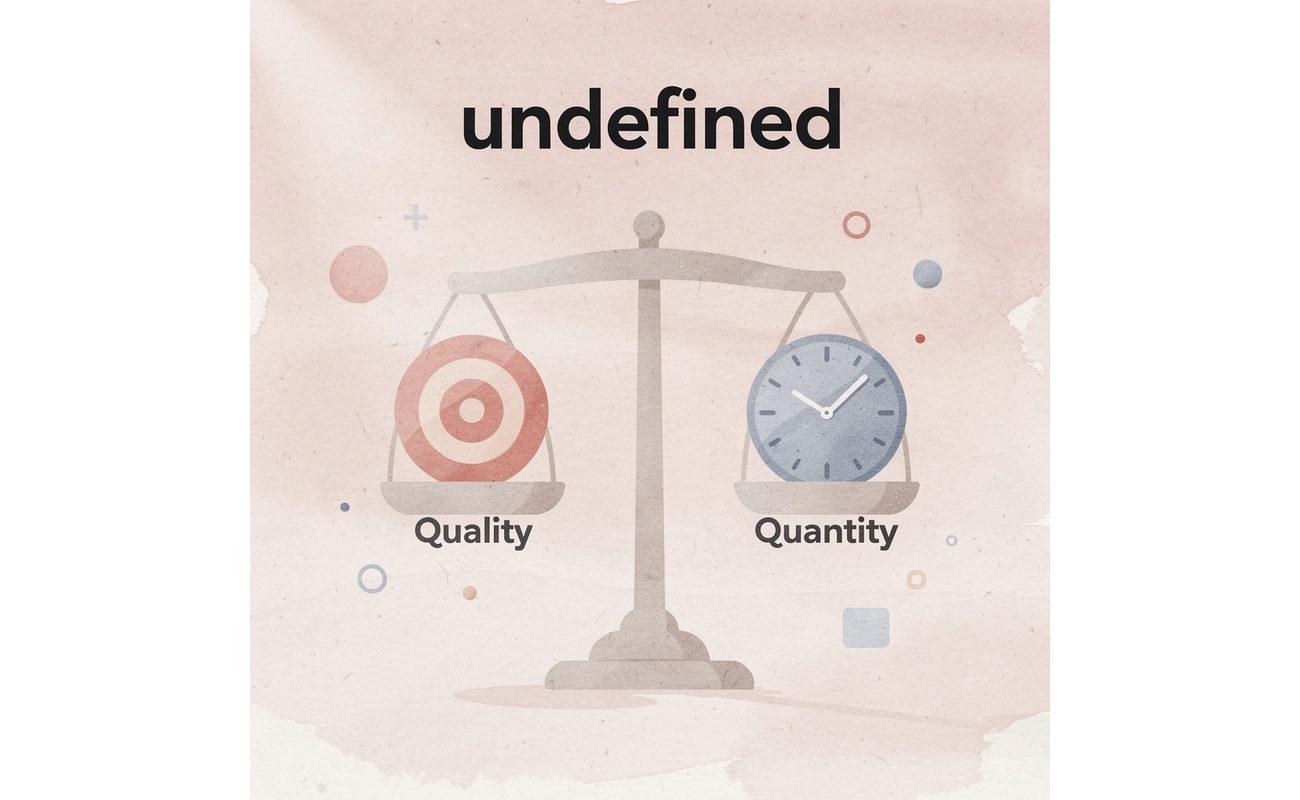
"Deliberate practice involves focused attention and is conducted with the specific goal of improving performance." — Research on Expert Performance, 2018
⚠️ Warning: Many students fall into the volume trap, believing that more practice tests automatically equal better scores. This approach often leads to burnout and minimal improvement because it doesn't address specific weaknesses.

1. Focus on weak areas first
Every student has patterns in their mistakes. Some struggle with grammar rules, others with algebra, and still others with understanding passages. Spreading effort evenly reinforces strengths instead of fixing weaknesses.
Use your practice results to identify the types of questions you consistently miss and topics that appear frequently on the test. Focus your study time there. Improvement happens when you turn weak areas into neutral ones, not when you make strong areas slightly better.
2. Master question types, not just content
The SAT is highly structured, with most questions falling into repeatable formats: standard grammar rules, specific algebra setups, and predictable reading question types.
Studying only content means solving each question from scratch, wasting time, and increasing errors. Learning patterns let you recognize questions immediately, identify what's being tested, and apply the right approach—improving both speed and accuracy under time pressure.
3. Practice in adaptive conditions
The Digital SAT adapts to your performance, so your practice should, too. Use official-style or realistic digital tests that mirror the real exam. This builds familiarity with shorter modules, maintains accuracy as difficulty increases, and ensures consistency across both sections.
Why does practice format matter so much?
Practicing in the wrong format builds habits that don't transfer to test day. According to CollegeWise Blog, students spend an average of 5 minutes 21 seconds on each practice question when using materials that don't match the actual test structure. This timing doesn't prepare you for the quick context-switching the adaptive format demands. Train under the same conditions you'll face, not idealized study scenarios.
How can AI help target your specific weaknesses?
Platforms like Kollegio's AI college counselor analyze your performance and create practice sessions focused on the specific question types where you lose points. The system identifies whether you struggle with accuracy, harder questions, or time management, then creates targeted exercises that address those problem areas, turning practice into pattern correction with measurable improvement.
4. Review mistakes deeply
This is the most important step, and the one most students skip. Improvement happens in the review, not in finishing the test.
For every mistake, understand why the correct answer is right, why your answer was wrong, and what type of error it was. Group mistakes into categories: concept gaps, timing issues, misreading, or careless errors. This transforms each mistake into a specific lesson.
How does mistake analysis improve your accuracy over time?
Without this step, you repeat the same mistakes. With it, your accuracy improves over time. You are practicing to find patterns, fix them, and build better habits.
But even with the right strategies, most students still struggle to see results because their study plans rest on flawed assumptions from the outset.
Related Reading
- Average Sat Score
- Average ACT Score
- How To Improve SAT Score In 2 Weeks
- How Long Does A Practice SAT Take
- Sat Study Schedule
- Is the SAT adaptive
- Are SAT Prep Classes Worth It
- How Many Reading Questions Are on the SAT
- SAT Grammar Rules
- How to Prep for ACT
- What's a Good SAT Score
Why Most SAT Study Plans Fail
The belief that more practice leads to a higher SAT score is one of the biggest reasons students get stuck. Do more questions, take more tests, improve your score—yet most students increase volume without improving results. The issue isn't effort; it's how that effort is structured.

🎯 Key Point: Simply doing more practice problems without a strategic approach is like running on a treadmill—lots of movement, but no forward progress toward your target score.
"Students who follow unstructured study plans see an average score improvement of just 20-30 points, while those with strategic approaches can gain 100+ points in the same timeframe." — College Board Data Analysis

⚠️ Warning: The most common mistake is confusing busy work with productive study. Volume without strategy leads to burnout, not breakthrough scores.
Passive studying instead of active problem solving
Many students review notes, watch videos, or read explanations—activities that feel productive but don't translate to test performance. The SAT requires recognizing question types quickly, applying concepts under time pressure, and making fast decisions. Passive studying doesn't train these skills; active problem-solving does.
What happens when you can't apply knowledge under pressure?
Without real practice under test-like conditions, students struggle to apply what they know. You might understand subject-verb agreement in a grammar guide, but if you can't spot it in 30 seconds while handling three other question types in the same module, that knowledge doesn't help. The gap between understanding and doing is where most study plans break down.
No structured review process
Finishing a practice test is often treated as the goal. It should be the starting point. Without a structured review, mistakes are forgotten rather than corrected. Improvement comes from understanding why the mistake happened, what pattern it belongs to, and how to avoid it next time.
According to AlphaTest Blog, 60% of students fail to improve their SAT scores despite consistent practice because they skip the analysis step. Without analysis, the same errors repeat across multiple tests.
Ignoring timing and pacing
Many study plans focus only on getting answers right, ignoring timing. On the SAT, timing directly affects your score. You need to move quickly through easier questions, manage your time for harder ones, and maintain accuracy under pressure. Without practicing pacing, you may know the material but still run out of time or make avoidable mistakes from rushing.
Students who practice without a time limit develop counterproductive habits: spending three minutes on questions that should take one, double-checking answers that are already correct, and treating every question as equally important. These habits fail under real test conditions.
Why do students treat all SAT mistakes the same way?
Not all mistakes matter equally. Some are one-time errors; others are patterns that cost you points repeatedly. Most students treat every mistake the same, rather than identifying high-frequency weaknesses, recurring question types, and specific concepts that need attention. This spreads effort too thin and slows improvement.
One student captured the frustration: "Why is my score still not increasing even after all the effort I'm putting in?" The answer usually isn't more effort—it's better categorization. If you miss inference questions because you're reading too literally, that's a different fix than missing them because you're running out of time. Pattern-based analysis surfaces that distinction; generic review doesn't.
How can targeted correction improve SAT scores?
Platforms like Kollegio's AI college counselor help students move from extensive practice to meaningful improvement. Instead of assigning more questions, our system identifies which question types you miss most often, why those mistakes occur, and what specific skills need strengthening. This transforms each practice session into focused correction rather than general repetition, where real score gains originate.
But even when students adjust their study plans, they still face another obstacle that keeps scores flat.
How Kollegio Helps You Turn Your SAT Score Into Better Outcomes
A higher SAT score opens doors, but only if you know which doors to walk through. What matters is how you strategically position that number within your application, where you apply, and how well you connect your academic performance to opportunities matching your profile.

🎯 Key Point: Your SAT score is just the beginning - the real value comes from strategic application and smart positioning to maximize your opportunities.
"A higher SAT score opens doors, but only if you know which doors to walk through and how to strategically position that number within your application."

💡 Tip: Focus on connecting your academic performance to opportunities that truly match your profile rather than simply chasing the highest possible score.
How should you approach building your college list strategically?
Most students build their college lists backward: dream schools, a few safeties, and hope their SAT score lands somewhere useful. This ignores how admissions actually work. According to the College Board SAT Suite Program Results, only 7 percent of test-takers earned a 1400 or higher.
If your score is in that range, applying to schools where the middle 50% falls between 1450 and 1550 means you're competing from below average, making your score a weakness rather than a strength.
What does it mean to match your profile to the right schools?
Start with your actual profile: What's your score? Where does it place you competitively? Which schools accept students in your range consistently, and which ones use your score as a filtering mechanism?
A balanced list includes schools where your SAT strengthens your application. That shift changes how admissions offices read your file: you're no longer the applicant trying to overcome a score gap, but the candidate whose academics align with what they're seeking.
Why do most scholarship searches fail?
Scholarship searches fail because students cast too wide—browsing databases, bookmarking anything relevant, and applying to dozens of programs where their profile doesn't stand out. The issue isn't effort; it's targeting.
How do you match your SAT score to the right scholarships?
Scholarships reward specific profiles. Some prioritize high test scores, others value leadership or community involvement, and many set GPA thresholds or require demonstrated financial need. If you're applying to merit-based scholarships where your SAT score sits at the 25th percentile of past recipients, you're competing uphill.
Focus instead on opportunities where your score places you in the top tier, giving you a genuine advantage.
What tools help target scholarships more precisely?
Platforms like Kollegio's AI college counselor analyze your academic profile to identify scholarships where your SAT score makes you a stronger candidate, rather than merely meeting basic requirements.
Instead of browsing hundreds of generic options, the system filters based on your actual stats, transforming scholarship search from a numbers game into a focused strategy that targets applications with genuine potential.
Strengthening the narrative around your score
Your SAT score sits alongside your GPA, course rigor, extracurriculars, essays, and recommendations. Admissions officers read these pieces together, looking for how they fit. A strong score loses impact if your essays feel generic or your activities lack depth. If your academics are solid but your application doesn't explain what drives you, the numbers feel empty.
How do successful students build cohesive applications?
Students who turn strong test scores into college acceptances build applications where every piece supports the others. Your SAT demonstrates readiness for college-level work. Your essays reveal how you think and what matters to you. Your activities prove commitment and growth. Together, they tell a coherent story.
Why do strong profiles sometimes fail to convert?
With high school counselors managing an average of 482 students each, most students never receive feedback on whether their essays align with their academics or whether their activity descriptions reflect the strengths their test scores suggest. That gap is where strong profiles fail to produce strong results.
Turning your score into results requires knowing where to apply.
Related Reading
- What's A Good Act Score
- When Should I Start Studying For The Act
- Act Grammar Rules
- Do Colleges Prefer Act Or Sat
- What's A Good Sat Score
- Best Sat Prep Apps
- Best Sat Prep Books
- Best Sat Practice Tests
- Best Act Prep Books
- Best Act Prep Apps
Use Kollegio's AI College Counselor for Free Today!
Your SAT score is only as valuable as the strategy you build around it. You can hit your target number and still apply to the wrong schools or miss scholarships designed for students like you. The difference between a score that opens doors and one that sits unused comes down to what you do next.

Kollegio's AI college counselor turns that number into a concrete plan. Input your profile, score, and goals: our system builds a personalized college list based on where you're competitive. It surfaces scholarship opportunities filtered by your academic performance, so you're applying to programs where your score gives you an edge rather than just meeting the baseline.
🎯 Key Point: Most students with strong SAT scores still struggle with college selection because they lack personalized guidance on where their scores are truly competitive.
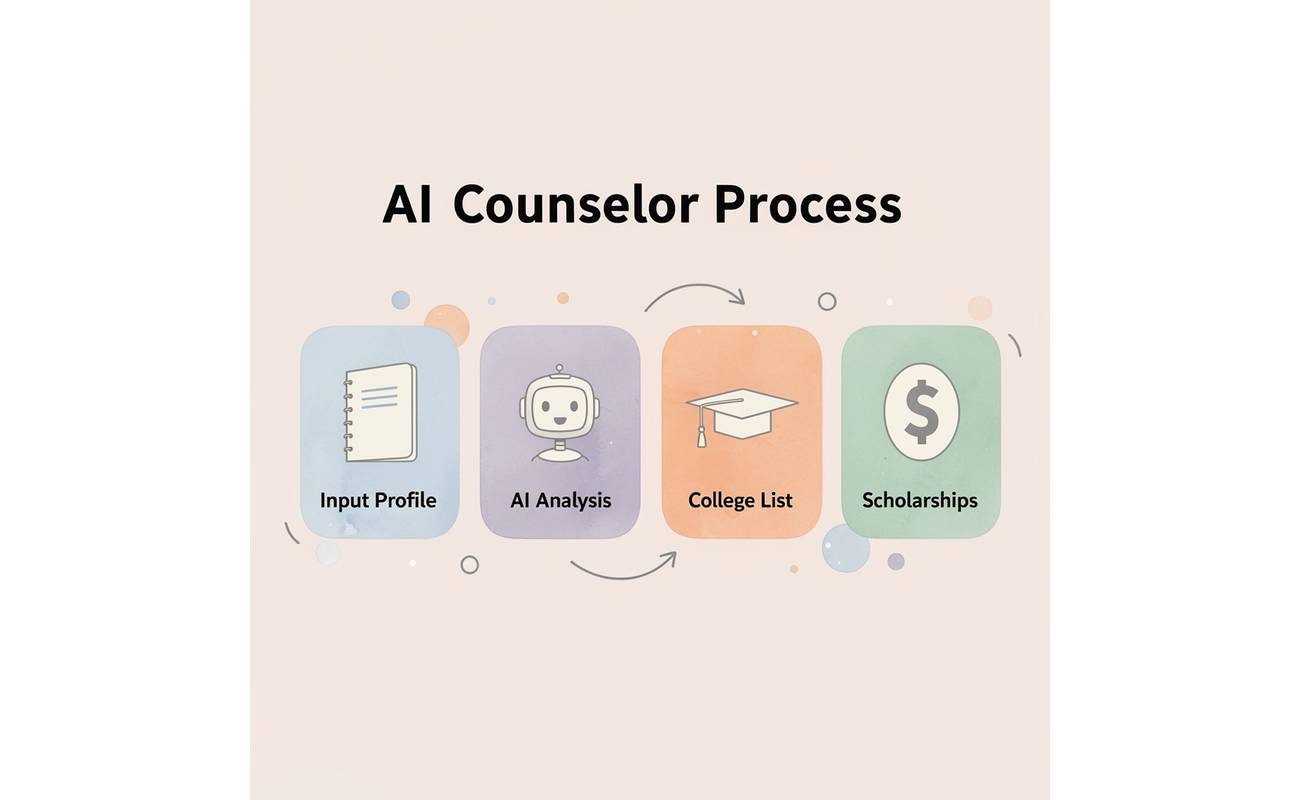
Our system analyzes your specific strengths, identifies gaps in your application narrative, and connects your academics to opportunities that align with your profile. Most students never receive this targeted guidance because traditional counselors lack the capacity to provide it. Kollegio makes it accessible, and it's completely free.
"Traditional college counselors typically manage 250+ students each, making personalized guidance nearly impossible for most families." — National Association for College Admission Counseling, 2023
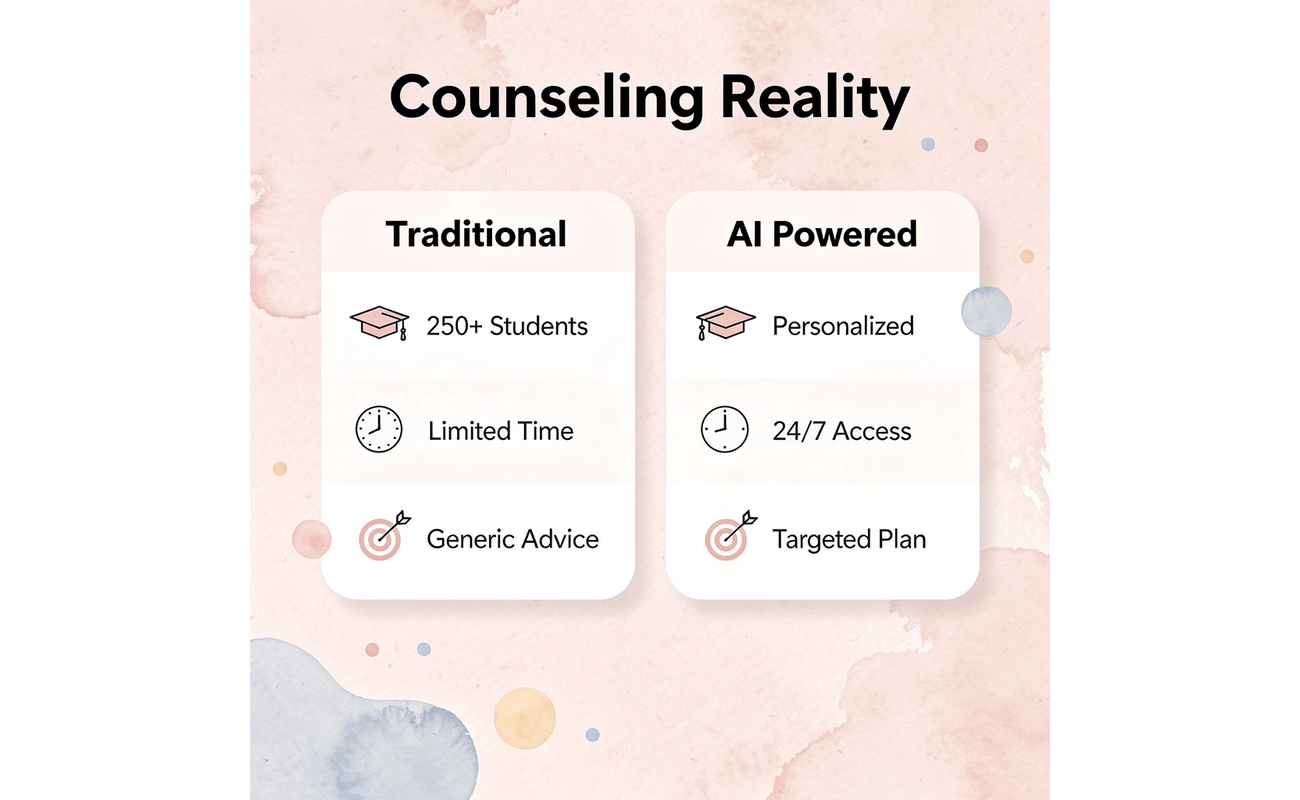
💡 Tip: Don't let your SAT preparation go to waste—use Kollegio's free AI counselor to maximize every point you earn.
If your SAT score represents months of effort, use Kollegio to see where it can take you, which scholarships you're positioned to win, and how to build an application strategy that converts preparation into results.