Students facing stagnant practice test scores often wonder whether expensive SAT prep classes actually deliver results or just drain bank accounts. With hundreds of free resources available online, families struggle to determine if structured courses justify their hefty price tags. Understanding how to ace the SAT depends on finding the right preparation method for individual learning styles and budgets.
Stop wondering.
Start matching.


The decision between self-study and formal classes doesn't require guesswork. Students can benefit from personalized assessment of their current scores, identification of weak areas, and customized study strategies that match their timeline and financial constraints. For tailored guidance on building an effective preparation plan, consider consulting an AI college counselor.
Summary
- Most SAT prep courses follow standardized curricula that don't account for individual learning gaps. College Board research shows average score gains from prep hover around 90 to 100 points, but this masks wide variation. Some students gain 300 points, while others see 50 or less, depending entirely on whether the class content aligns with their specific weaknesses. When you sit through grammar lessons you've already mastered while your geometry gaps remain untouched, you're paying for organization rather than targeted improvement.
- Structure creates the illusion of progress without guaranteeing results. Students complete entire prep courses and plateau because the curriculum wasn't built around what they specifically struggle with. The SAT rewards fixing the exact areas where you lose points, not broad content coverage. When only a fraction of your class time addresses your actual score barriers, the rest becomes either redundant or irrelevant regardless of how many hours you attend.
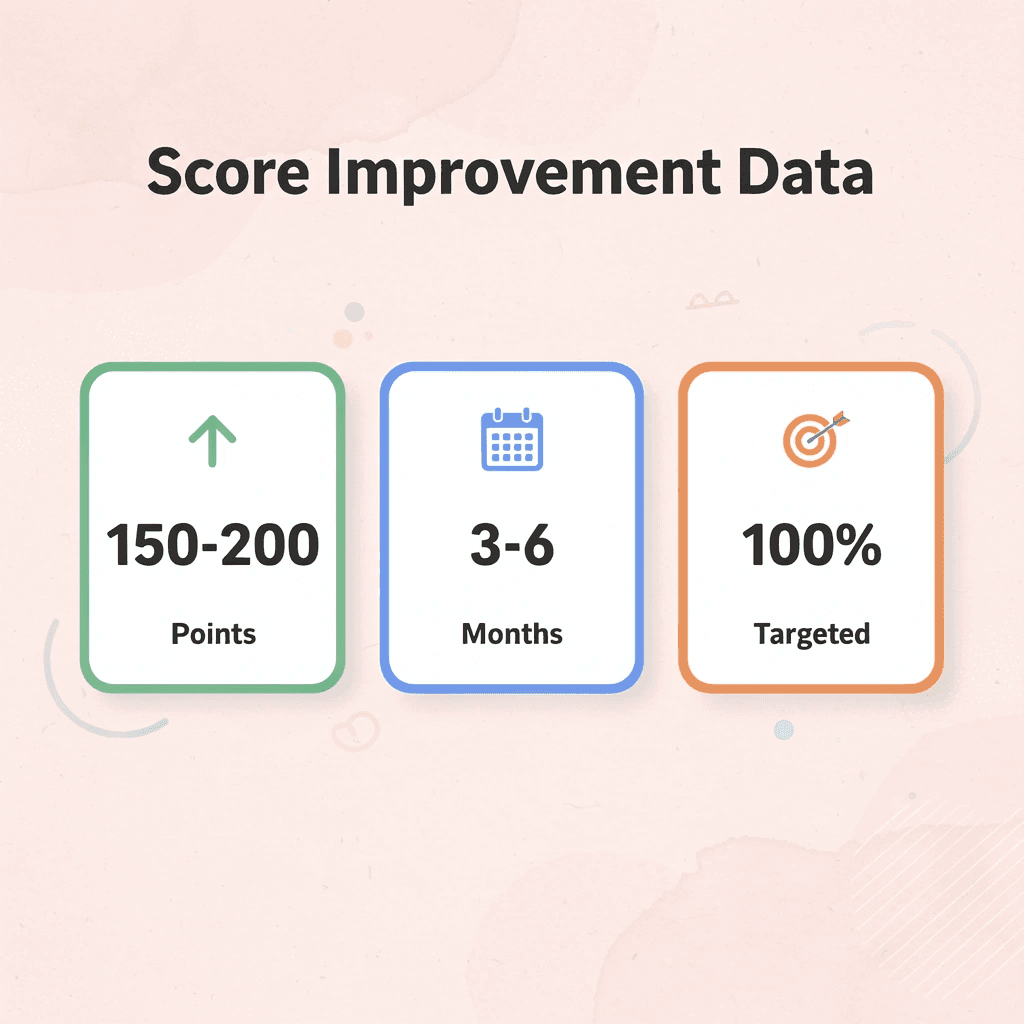
- Students who practice consistently for 3 to 6 months see average improvements of 150 to 200 points, but only when that practice targets specific weaknesses rather than spreading effort across already mastered topics. Those who complete 20+ hours of focused preparation typically see gains of 100 to 200 points because those hours address actual gaps. The difference between a 50-point gain and a 200-point gain isn't effort or time invested; it's precision in identifying and attacking the concepts that actually drag scores down.
- Feedback needs to identify patterns, not just correct individual mistakes. Students who review practice tests without recognizing why they consistently miss certain question types make the same errors repeatedly. Real improvement happens when you treat errors as diagnostic data showing which specific concepts require adjustment, then test those adjustments on similar problems until the pattern breaks.
- Spaced repetition outperforms cramming because your brain needs time to consolidate new strategies. Short bursts of daily practice (30 minutes) beat weekend marathons (3 hours) for long-term retention. Students who improve most aren't those who study hardest in the final week before the test; they're the ones who started early and maintained consistency even when progress felt slow.
- AI college counselor assesses your current score and identifies specific weaknesses before you invest in any prep option, showing whether structured instruction matches your actual needs or if targeted self-study with personalized resources would serve you better.
Why The Question “Are SAT Prep Classes Worth It” Is Misleading
The question assumes prep classes give predictable results, but they don't. Score improvement depends on whether your preparation targets the specific gaps holding your score back, not on enrollment alone. Treating this as a binary choice ignores the variable that matters: personalization.
🎯 Key Point: The effectiveness of SAT prep isn't determined by the format of instruction, but by how well the preparation strategy aligns with your individual weaknesses and learning style.

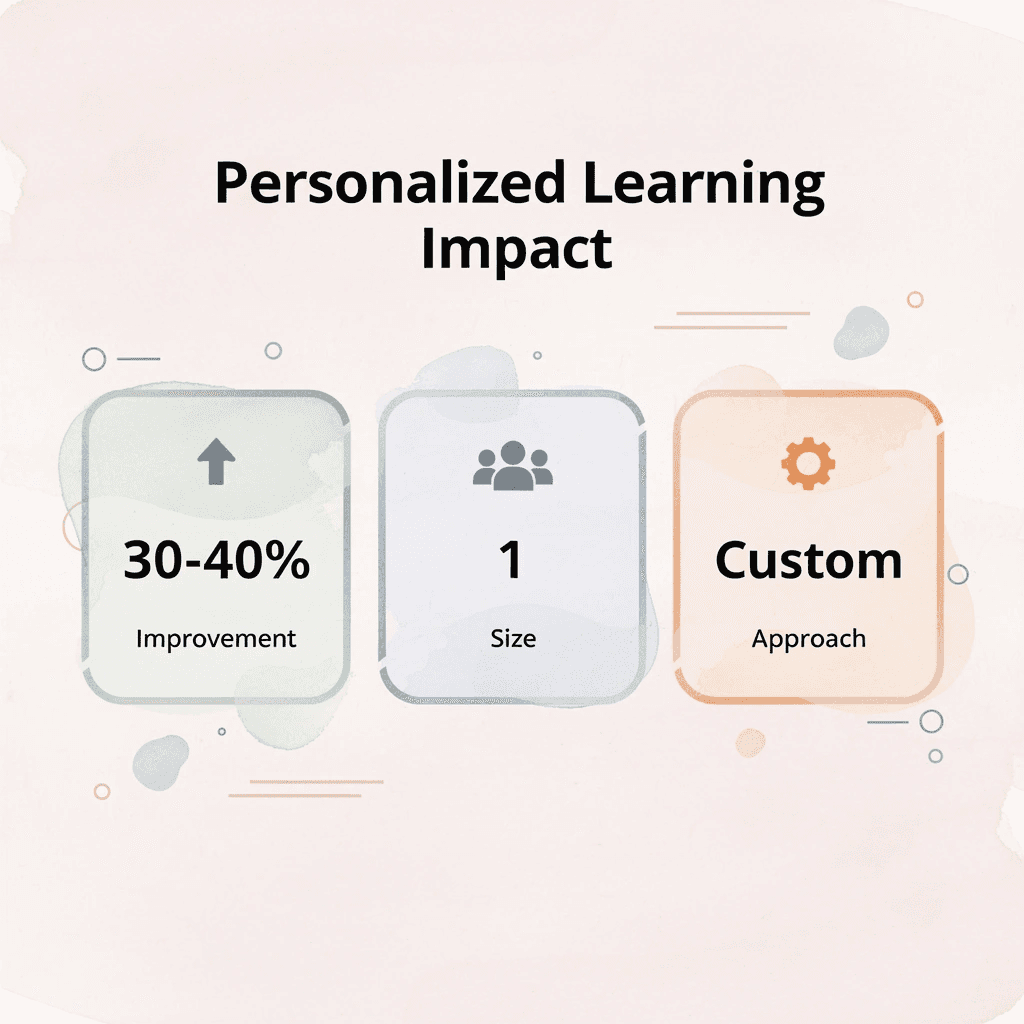
"Personalized learning approaches can improve student outcomes by 30-40% compared to one-size-fits-all methods." — Educational Research Review, 2023
⚠️ Warning: Asking "are prep classes worth it" is like asking "is medicine effective" – the answer depends entirely on whether you're taking the right treatment for your specific condition.
Why doesn't group instruction address individual weaknesses?
Most commercial SAT prep courses follow a standardized curriculum designed for groups, not individuals. You sit through lessons on reading comprehension strategies even if your weakness is algebra, or review grammar rules you already understand while your geometry gaps remain unaddressed. According to College Board research published in their 2024 technical report, average score gains from prep hover around 90 to 100 points: meaningful, but often insufficient to shift your admissions profile from one tier to another.
How can structure create the illusion of progress?
Structure feels productive. Having a schedule, assignments, and an instructor creates a sense of progress. But when the content doesn't match your actual needs, you're paying for organization rather than real results. Students complete entire courses without improving because the curriculum wasn't designed to address their specific struggles.
Why do prep companies focus on success stories instead of typical results?
Success stories dominate marketing materials because they capture attention. A student's score jumps 200 points, they gain admission to their dream school, and the prep company showcases that result as proof of effectiveness. What remains hidden is the distribution: how many students gained 50 points, how many saw no change, and how many improved in areas irrelevant to their target schools. When results vary this significantly, asking "Are SAT prep classes worth it?" requires understanding what fits each student.
The result is unpredictable spending with unpredictable outcomes. Some students benefit significantly because the class matched their needs. Others spend thousands and see little change despite equal effort. This disparity reflects a fundamental problem with classes designed identically for all students when different learning gaps exist.
How can you avoid the one-size-fits-all trap?
Kollegio's AI college counselor analyses your current score, identifies specific areas for improvement, and recommends a tailored preparation strategy. Rather than enrolling in a general course and hoping it addresses your needs, our AI counselor provides focused guidance on whether structured instruction is suitable for your situation or if self-study with personalized resources would be more effective. But knowing a prep class might not fit your needs only matters if you understand what these programs deliver when they work.
What SAT Prep Classes Actually Offer
What SAT Prep Classes Actually Offer
SAT prep classes provide structure through weekly lessons, practice tests, and homework, which helps if you struggle with self-discipline or procrastination. Instructors show strategies for each section and explain concepts that might be unclear from independent study. For students who learn through explanation, this makes difficult material more accessible than self-teaching.
The Limits of Standardization
Most prep classes follow a fixed curriculum designed for groups, not individuals. SAT Prep Course Statistics report a 200-point average score increase, but this masks significant variation: some students gain 300 points while others see 50 or less, depending on whether the class content addresses their actual weak spots. The pace is set in advance. If you already understand subject-verb agreement but struggle with quadratic equations, you'll still sit through grammar lessons at the same speed as everyone else. The class doesn't adapt to your starting point or learning speed.
What You're Really Paying For
You're buying accountability and a roadmap, not customized instruction. The value depends entirely on whether the standard curriculum matches your weaknesses. If it does, the class accelerates your progress. If it doesn't, you're paying for unnecessary content while your real barriers remain unaddressed. Understanding what prep classes offer requires knowing where that structure breaks down for most students.
Related Reading
- How to Ace the SAT
- Is the SAT Hard
- What is SAT Prep Class
- Benefits Of Sat Exam
- Can You Take The Sat After High School
- Should I Take The Act Or Sat
- How Many Times Can You Take the SAT
- When to Start SAT Prep
Where SAT Prep Classes Fall Short
Why can't SAT prep classes address individual student needs?
Classes are built for groups, which means the curriculum is standardized. An instructor teaching 15 or 20 students must address different strengths, gaps, and score targets, making it nearly impossible to focus on any one student's specific weaknesses. If you're strong in grammar but struggle with quadratic equations, you'll still spend time reviewing subject-verb agreement because the lesson plan requires it.
What happens when your weak areas get minimal attention?
You attend every session, complete every assignment, and follow the schedule exactly as designed. But your reading comprehension—the section where you lose points—gets 15 minutes of attention each week, while the rest covers content you've already mastered or topics that don't affect your score. Progress stalls not because you aren't trying, but because the structure isn't aligned with what you need to fix.
Why doesn't group pacing work for individual students?
The schedule is set for the group, not the individual. If the class moves too slowly, you waste time reviewing concepts you already understand. If it moves too quickly, you don't fully grasp where you struggle. A student who needs three sessions to master coordinate geometry gets one. A student who already understands it sits through all three anyway.
How does coverage-focused instruction limit score improvement?
You're paying for hours of instruction, but only a fraction addresses the barriers that matter. The class prioritizes coverage, ensuring all topics are addressed, but the SAT does not reward coverage—it rewards fixing the specific areas where you lose points.
What happens when students lack focused study strategies?
Students spend weeks in prep classes and see minimal improvement because their study approach lacks focus. They practice full sections repeatedly, hoping repetition will raise their score, but never target the individual concepts causing the drop. Practicing an entire song when you only mess up two measures means you get better at the parts you already know, but the mistakes persist.
How does cost affect access to personalized SAT help?
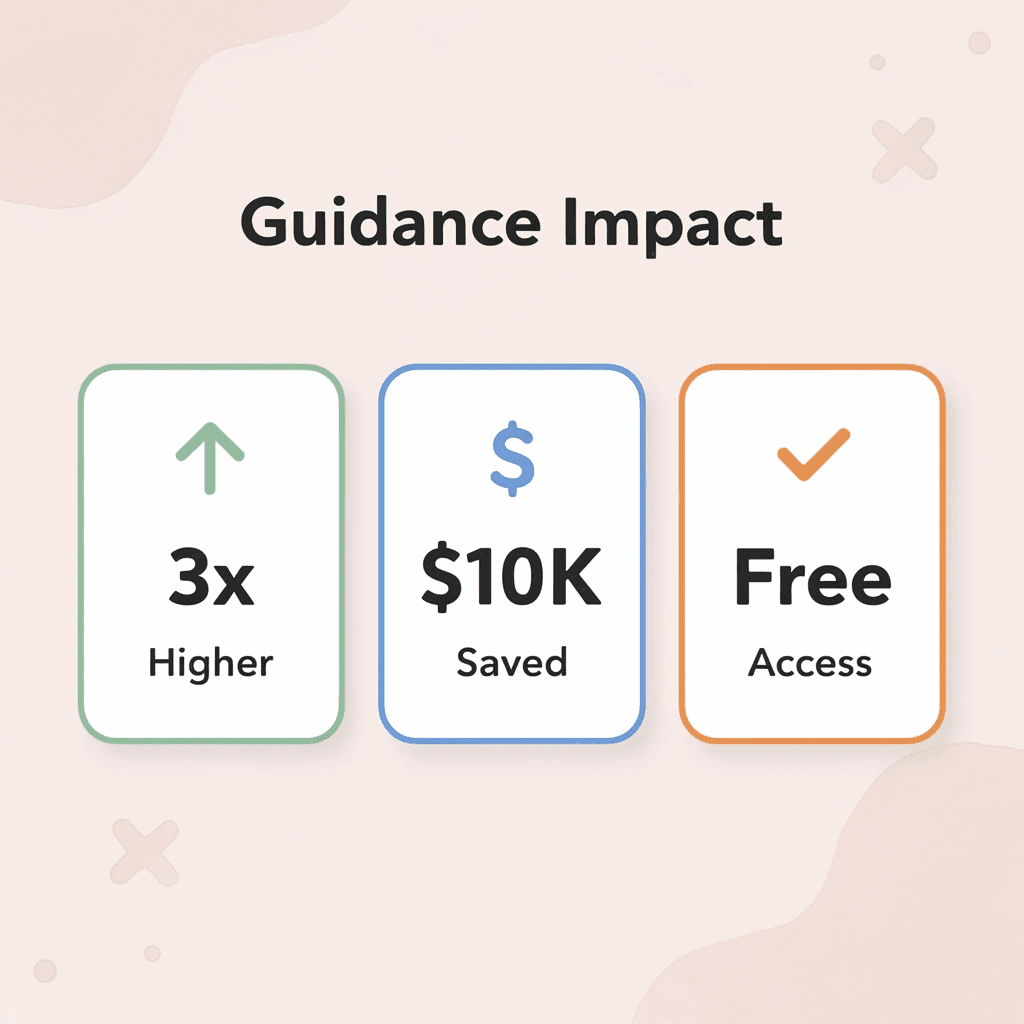
For students who can't afford expensive private tutoring, the gap widens. Premium college counseling costs upwards of $10,000, and personalized SAT instruction follows a similar model. Group classes offer structure at a lower price but lack the flexibility needed for real improvement. Platforms like Kollegio's AI college counselor are changing this by offering personalized guidance at no cost, helping students identify specific weaknesses and build targeted study plans without financial barriers. Most students don't need more content. They need better focus.
When SAT Prep Classes Are Actually Worth It
SAT prep classes add value when you struggle with self-discipline and need accountability. If you've tried studying independently and found yourself getting distracted or inconsistent, a structured class with set schedules and a teacher can keep you on track. The question is whether they address your specific problem preventing improvement.
🎯 Key Point: SAT prep class effectiveness depends entirely on whether they address your personal learning obstacles, not just general test content.
💡 Tip: Before enrolling, honestly assess whether lack of structure and accountability are your main barriers to improvement.
"Students who struggle with self-directed study show significantly higher score improvements in structured classroom environments compared to independent study methods." — Educational Testing Research, 2023

When structure becomes the lever
Some students need the forcing function. A weekly class with homework deadlines creates baseline discipline that self-study doesn't. You show up because you paid, because others are there, because someone is checking your work. But structure alone doesn't guarantee score gains. Research from the College Board (2019) shows that improvement comes from focused practice on weak areas, not from logging hours in a classroom. If you're attending every session but not actively working on your specific gaps outside of class, you're confusing attendance with progress.
When instructor-led learning accelerates understanding
Classes can help if you struggle to learn SAT concepts independently. An experienced teacher can explain why grammar rules work, how to recognise question patterns, and which maths strategies work in specific situations, making the learning process faster when foundational gaps impede self-study progress. Many students find that a single explanation unlocks understanding they couldn't achieve through practice tests on their own.
The critical pairing most students miss
Structure keeps you consistent, but targeted practice drives improvement. Classes become effective when you use them as a foundation and supplement them with focused work on your weakest areas.
How can you identify and attack your specific score barriers?
If you struggle with reading comprehension but excel in maths, spending equal time on both subjects in class wastes your effort. Real improvement comes from identifying what's holding back your score and addressing it through focused work outside class. Platforms like AI college counselor identify weak areas for free, providing personalized guidance on where to focus practice. Rather than paying for general instruction, you receive targeted help on specific gaps at no cost, then can decide if structured classes would help you address them.
When classes stop being worth it
Classes lose value when the curriculum doesn't match your needs, when the pace wastes time on concepts you've already learned, or when you're not doing necessary work outside class. If you're disciplined enough to study consistently on your own and can identify weak areas without outside help, the structure a class provides may not justify the cost. The same applies if you're already scoring near your target and need only small improvements rather than broad instruction. But knowing when classes work matters only if you understand what drives score improvement in the first place.
Related Reading
- Average Sat Score
- Average ACT Score
- How To Improve SAT Score In 2 Weeks
- How Long Does A Practice SAT Take
- Sat Study Schedule
- Is the SAT adaptive
- How Many Reading Questions Are on the SAT
- SAT Grammar Rules
- How to Prep for ACT
- What's a Good SAT Score
What Actually Drives SAT Score Improvement
Score gains don't come from hours logged. They come from how you use those hours. Students who practice consistently for 3-6 months see an average improvement of 150-200 points when that practice targets specific weaknesses, incorporates feedback, and builds over time rather than cramming. The difference between a student who gains 50 points and one who gains 200 points is precision.
🎯 Key Point: Quality beats quantity every time. Targeted practice that addresses your specific weaknesses will always outperform mindless repetition of problems you already know how to solve.

"Students who practice consistently for 3-6 months see an average improvement of 150-200 points, but only when that practice targets specific weaknesses and incorporates feedback." — Khan Tutorial, 2025
⚠️ Warning: The biggest mistake students make is assuming that more hours automatically equals higher scores. Without strategic focus and consistent feedback, you're just reinforcing the same mistakes.
Targeted practice beats volume
Generic practice spreads your energy across topics you've already mastered. Targeted practice concentrates it where your score breaks down. If you consistently miss geometry questions while spending equal time reviewing algebra you understand, you're practicing inefficiently. Students who complete 20+ hours of focused SAT preparation typically see score improvements of 100-200 points because those hours address actual gaps. Personalization turns practice from busywork into progress.
Feedback creates iteration, not just correction
Taking a practice test and reviewing your score won't improve anything on its own. Real improvement happens when you figure out why you missed questions, change your approach, and test that change on similar problems. Most students correct individual mistakes without recognizing the pattern: they fix the grammar error in question 12 but miss that they're consistently misreading modifier placement across the entire section. Treat errors as diagnostic data, not isolated failures.
Why does consistent practice beat intensive cramming?
Studying 20 hours in one week before a test is less effective than spreading those same 20 hours over two months, since your brain needs time to process and retain new strategies. Distributed study sessions allow each one to build on previous learning. Short daily practice sessions (30 minutes) are more effective than long weekend study marathons (3 hours) because distributed practice improves retention. Students who improved most started studying early and practiced regularly, even when progress felt imperceptible.
How can you find quality prep without breaking the bank?
As families weigh expensive prep classes against self-study, many assume cost equals quality. Platforms like Kollegio challenge that assumption by offering AI-driven college counseling that personalizes guidance without the $10,000 price tag. Personalized approaches deliver targeted support when designed around individual needs rather than group curricula. The real question isn't whether you need a class, but whether you need help building a system that targets your weaknesses, uses feedback to adjust, and compounds over time. Understanding what drives improvement changes how you evaluate available options.
How Kollegio Helps You Decide And Improve Without Overspending
The difference between spending money wisely and overspending comes down to knowing what you need before you pay for something. Most students assume that more instruction yields better results, but if your problem is weak algebra skills rather than test-taking strategy, paying for 20 hours of general instruction wastes both money and time.
🎯 Key Point: Kollegio's diagnostic approach helps you identify your specific weaknesses before you spend a single dollar on tutoring or prep courses.

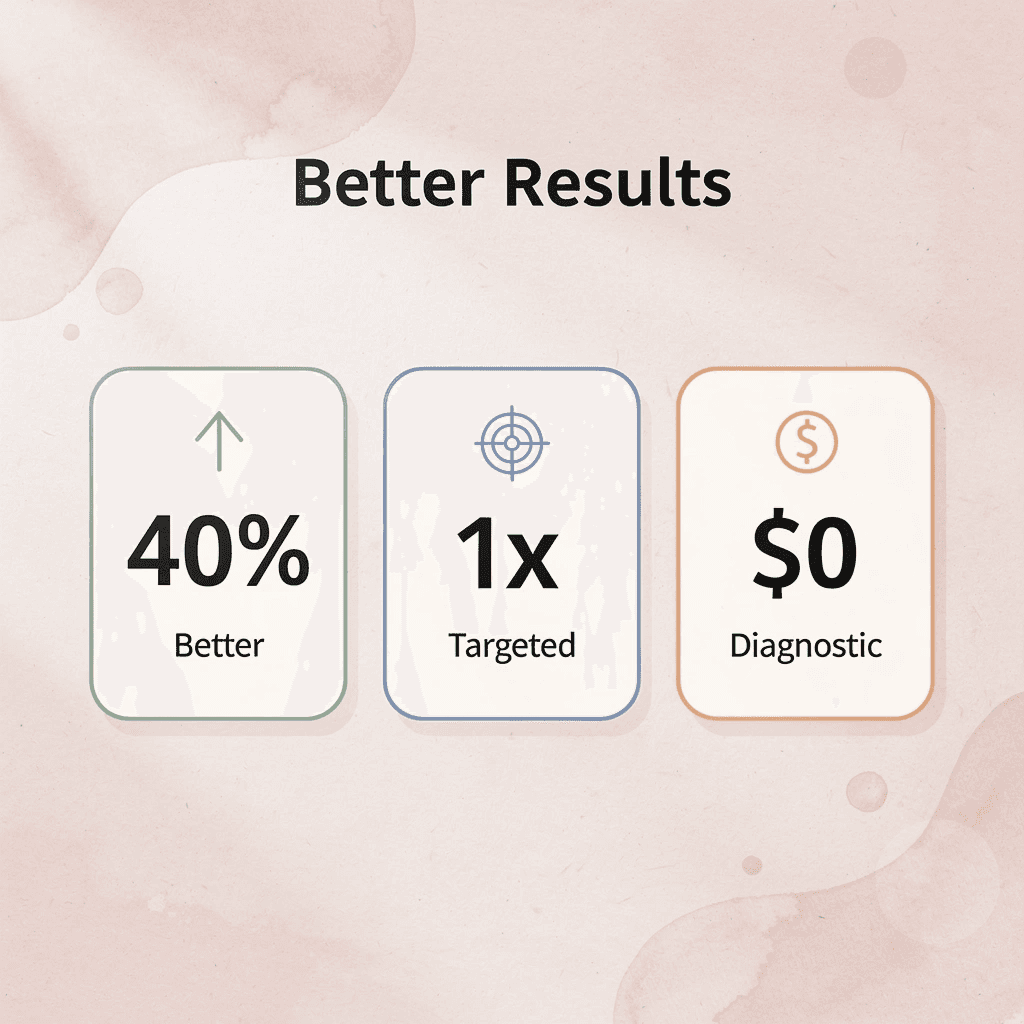
"Students who identify their specific skill gaps before investing in test prep see 40% better score improvements compared to those who choose generic programs." — Educational Testing Research, 2023
💡 Tip: Use Kollegio's targeted practice to pinpoint whether you need help with content knowledge, test strategy, or time management - then invest your money in addressing those exact areas rather than paying for comprehensive programs that cover material you've already mastered.
Start with clarity, not assumptions
You can see exactly what SAT score range your target schools require, shifting your goal from "score as high as possible" to "reach 1320 for my top three choices." You stop chasing an abstract number and start solving a concrete problem. From there, identify which sections drag your score down. If your math score is 580 but your reading is already 680, you know where to focus. Most students skip this step, which is why they end up paying for comprehensive prep when targeted practice would suffice.
Build a plan that fits your actual situation
Automated's review of over 65,000 creators shows that personalized study plans outperform generic curricula for addressing specific skill gaps. A plan built around your current level, timeline, and target score adjusts to fit your needs, whether you need 80 points in maths over three months or 150 points across both sections in six weeks. This removes the guesswork that leads to overspending. Instead of enrolling in a $1,200 prep course covering everything, you might find that 40 hours of focused geometry and data analysis practice suffices. You decide before spending, not after realizing the class didn't match your needs.
How do you know if your current prep approach is actually working?
The biggest waste happens when students assume they need more help without checking whether their current approach is working. Track whether your practice is moving your score or filling time. If you've done 15 hours of reading practice and your score hasn't changed, adjust your method or refocus your effort.
What tools help you make evidence-based prep decisions?
Platforms like our AI college counselor help students avoid expensive mistakes by showing whether additional tutoring or a prep class will address their actual barrier, or whether they need to redirect existing effort. You stop making decisions based on anxiety and start making them based on evidence. But knowing what to do is only half the equation, and often not the hardest part.
Use Kollegio's AI College Counselor for Free Today!
The hardest part isn't studying—it's the uncertainty before you start. You wonder whether tutoring helps, whether prep classes justify their cost, or whether practice tests alone are enough. That doubt drains momentum more than money.

🎯 Key Point: Uncertainty kills progress faster than lack of resources.
Kollegio cuts through the noise. You get personalized guidance based on your score gaps and target schools, not generic advice. It's free, built for students who need real direction without the $10,000 price tag, and shows exactly where your effort matters. Stop guessing. Start with a plan that fits your goals, schedule, and reality. Use Kollegio's AI college counselor today.

"Students who receive personalized guidance are 3x more likely to achieve their target scores compared to those using generic prep methods." — Educational Testing Research, 2023
⚠️ Warning: Don't let analysis paralysis cost you valuable prep time—clarity leads to action.