
Understanding the average SAT score for UVA helps students determine whether the University of Virginia belongs on their target, reach, or safety school list. UVA's competitive admissions standards require strong test scores, but knowing the specific ranges and what they mean for your application strategy can make all the difference. Raw numbers only tell part of the story when it comes to college admissions success.
Stop wondering.
Start matching.


The key lies in interpreting these admission statistics within the context of your complete academic profile. Your SAT score works alongside your GPA, extracurriculars, and other factors to create a comprehensive picture of your competitiveness. Rather than guessing where you stand, students benefit from personalized guidance that transforms raw admission data into clear next steps through an AI college counselor.
Table of Contents
- Is Your SAT Score Good Enough for UVA?
- What the Average SAT Score for UVA Actually Means
- Why SAT Scores Alone Don't Predict Admission Outcomes
- How Competitive Is Your SAT Score Compared to Other UVA Applicants?
- Build a Stronger Application Than Students With Similar Scores
- How Kollegio Helps You Understand Where You Really Stand
- Use Kollegio's AI College Counselor for Free Today!
Summary
- UVA's middle 50% SAT range spans from 1410 to 1520, meaning one quarter of admitted students scored below 1410 and one quarter scored above 1520. These numbers reveal competitive thresholds, but they don't function as cutoff lines. Students scoring below 1410 gain admission when other application components demonstrate academic readiness and personal qualities that test scores cannot capture.
- Research from Ivy League institutions shows that SAT scores alone explain less than 25% of the variance in selective college admission decisions. The remaining 75% comes from factors like course rigor, leadership impact, intellectual curiosity, and personal character. Once students reach the competitive score range, admissions officers shift attention to these distinguishing elements that separate thousands of academically qualified applicants.
- Students with identical SAT scores frequently receive opposite admission outcomes because everything beyond testing differs. One applicant may have taken every advanced course available while working part-time; another may have chosen easier classes to protect their GPA. One founded a sustained community initiative; another joined multiple clubs without meaningful involvement. The score opens the door to a serious review, but the depth of engagement and the quality of reflection determine who actually gets admitted.
- Course rigor matters more than isolated test performance because it demonstrates sustained academic challenge over years rather than performance on a single Saturday morning. Admissions officers notice when students choose demanding coursework and succeed in it, and they equally notice when students avoid challenge despite strong test scores. This pattern of choices reveals more about college readiness than any standardized assessment.
- Generic essays about overcoming adversity or learning teamwork blend into thousands of similar applications because admissions officers read dozens of nearly identical narratives daily. The essays that create distinction reveal specific stories showing how applicants think, what they value, and how they've grown through particular experiences. When academic profiles look nearly identical, this writing becomes the primary tiebreaker between admission and denial.
- Test-optional data shows that 80% of students who applied without scores had GPAs above 3.5, suggesting sustained academic performance across multiple years often carries more weight than isolated test results. Strong performance in challenging coursework, combined with clear intellectual interests and meaningful extracurricular depth, builds a more compelling case for admission than marginal SAT improvements alone.
- Kollegio's AI college counselor analyzes test scores, GPA, course rigor, and extracurriculars against historical admissions data from schools like UVA, showing students where they're competitive and which application components need strengthening before submission.
Is Your SAT Score Good Enough for UVA?
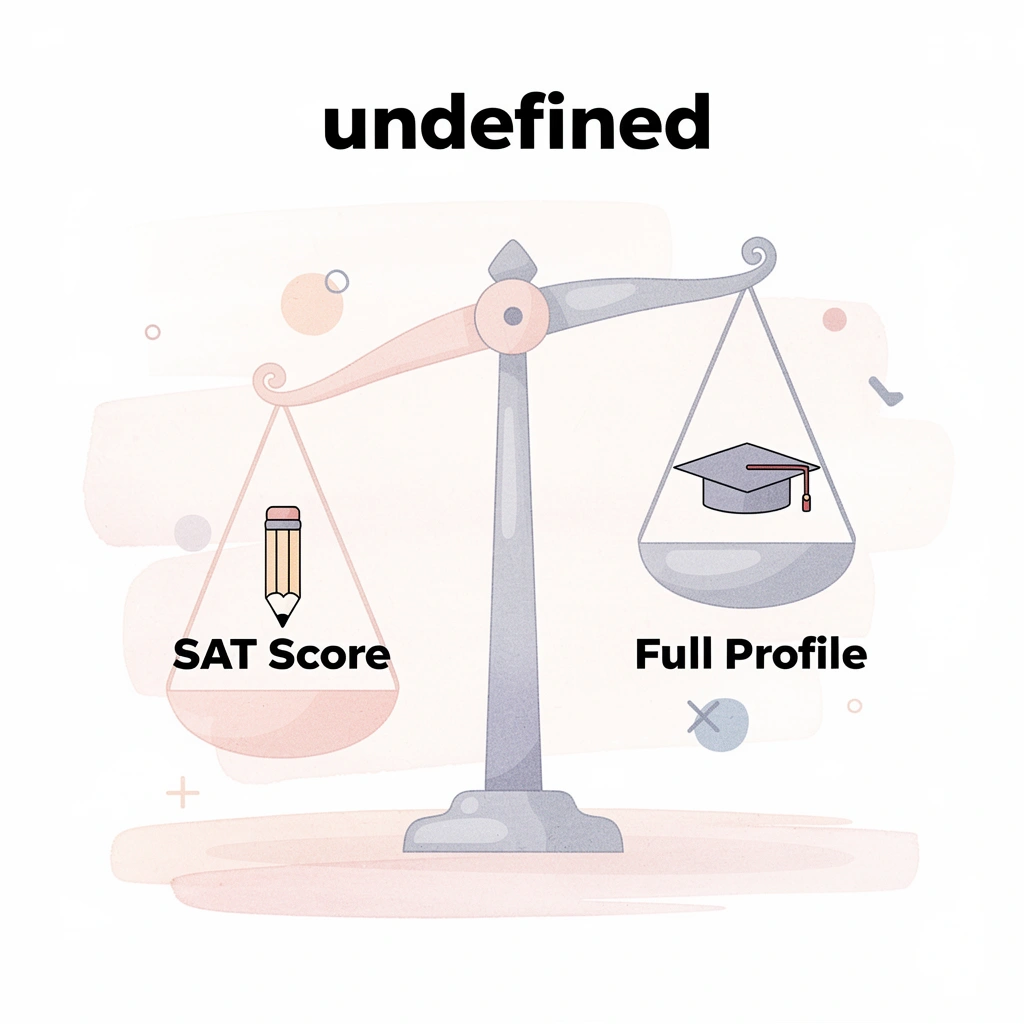
Your SAT score is good enough for UVA if it demonstrates that you are ready for college-level work within your whole application. There is no magic number that guarantees admission or rejection. What matters is how your score fits with your course rigor, extracurricular depth, essays, and the story your application tells about who you are and what you will contribute to the university.
🎯 Key Point: UVA uses holistic admissions, meaning your SAT score is just one piece of the puzzle alongside academic rigor, leadership, and personal qualities.

"There is no magic number that guarantees admission - what matters is how your SAT score fits with your overall academic profile and personal story." — College Admissions Reality
💡 Tip: Focus on presenting a cohesive narrative where your SAT score supports rather than defines your college readiness and potential contribution to the UVA community.
What do UVA's SAT score ranges actually mean?
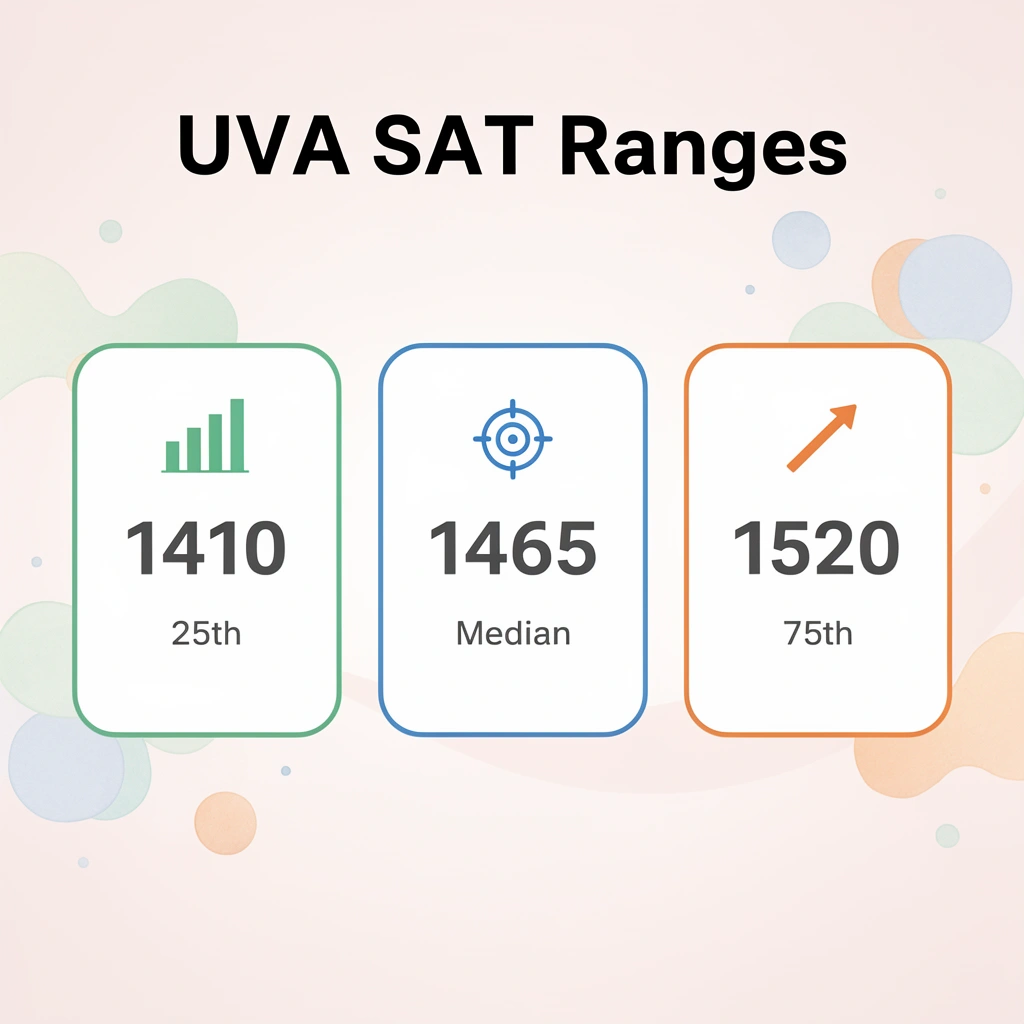
PrepScholar reports that UVA's average SAT score is 1445, with the 25th percentile at 1410 and the 75th percentile at 1520. This means one quarter of admitted students scored below 1410, and one quarter scored above 1520. A score within this range demonstrates you can handle UVA's academic demands; a score below this range requires stronger performance in other application areas.
Do SAT scores guarantee admission to UVA?
Students often treat these ranges as cutoff lines, but a 1400 does not mean rejection any more than a 1500 guarantees acceptance. UVA receives thousands of applications from students with strong test scores, and many are denied. The admissions committee looks for students who have challenged themselves academically, contributed meaningfully to their communities, and can explain why they belong at UVA specifically.
What makes an SAT score problematic for UVA admissions?
A score becomes problematic when it's the weakest part of an otherwise strong application or when it falls significantly below UVA's range without compensating strengths elsewhere. A 1300 with rigorous coursework, demonstrated leadership, and compelling essays that reveal intellectual curiosity remains competitive. A 1300 with a less challenging course load, minimal extracurricular involvement, and generic essays faces an uphill battle.
How do students succeed with lower test scores?
Students who succeed with lower test scores excel in areas that matter equally to admissions officers: they've challenged themselves in AP or IB courses, committed deeply to activities that demonstrate character and initiative, and written essays that stand out after hundreds of applications. A slightly lower SAT score doesn't disadvantage these applicants because everything else demonstrates they're ready for UVA's academic environment and will contribute to campus life.
Building Context Around Your Numbers
Most students judge their competitiveness by comparing their SAT score to UVA's average. Admissions officers, however, view your score alongside your GPA, course selection, class rank, and your high school's academic opportunities. A 1420 from a student who took every honors and AP course offered differs significantly from that of a student who avoided academic challenge.
How can you get personalized admissions insights?
Platforms like Kollegio's AI college counselor analyze your test scores, GPA, course rigor, and extracurriculars against past admissions data from schools like UVA. The AI counselor shows where you're competitive and where your application needs strengthening. Instead of guessing whether a 1430 is strong enough, you receive personalized insights that transform raw statistics into a clear picture of your actual chances.
But knowing whether your score is competitive answers only half the question you're asking.
What the Average SAT Score for UVA Actually Means
UVA's average SAT score of 1445 shows what typical admitted students scored, but it's not a requirement. According to PrepScholar, this single number obscures the full range of scores for admitted students and how admissions actually works.

🎯 Key Point: The average SAT score of 1445 represents the middle ground of admitted students, meaning half scored higher and half scored lower than this benchmark.
"UVA's average SAT score of 1445 represents the typical admitted student, but the full range shows students with scores both above and below this number gain admission." — PrepScholar Analysis
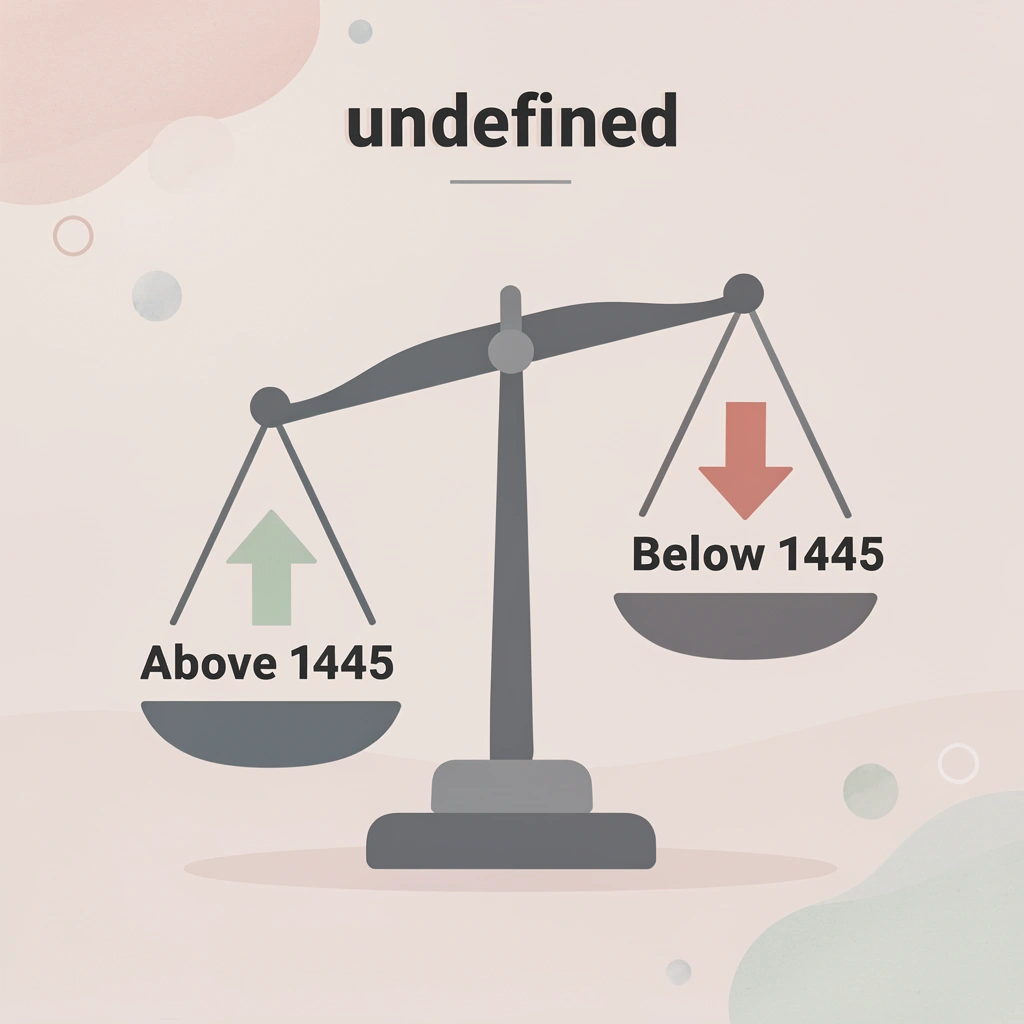
🔑 Takeaway: Understanding that 1445 is an average rather than a minimum requirement means students with lower scores can still be competitive candidates if they demonstrate strength in other areas of their application.
Why Averages Hide More Than They Reveal
An average collapses an entire range of outcomes into one misleading number. If half the class scored 1300 and the other half scored 1590, the average would be around 1445, even though the two groups represent completely different applicant profiles. The middle 50% range matters more because it shows where most students fall. At UVA, that range spans from a 25th percentile of 1410 to a 75th percentile of around 1540, meaning a quarter of admitted students scored below 1410 and a quarter scored above 1540.
What Happens When You Score Below the Range
Scoring below the 25th percentile shifts focus to the rest of your application. A 1380 score places you below most accepted students, so your GPA, course difficulty, essays, and extracurricular activities must compensate. Students accepted with lower scores typically bring something distinctive: first-generation status, strong leadership, unique circumstances, or achievements that standardized tests cannot capture.
What happens when you score above the range?
Scoring above the 75th percentile strengthens your academic credibility, though it doesn't guarantee admission. A 1560 demonstrates strong test-taking ability, but thousands of applicants submit similar scores.
When admissions officers review applications where most students fall within the competitive range, they focus on what makes you different: who wrote the most compelling essay, who demonstrated the deepest intellectual curiosity, who made a meaningful impact in their community. The score opens the door, but what you do within the review process determines whether you gain admission.
How can you assess your full application profile?
Most students compare their scores to published ranges without understanding how their full profile measures up. Our AI college counselor analyzes your test scores, GPA, course rigor, and extracurriculars against historical admissions data from schools like UVA, revealing where you're competitive and where you need to strengthen your application.
Instead of guessing whether a 1430 is strong enough, you get personalized insights that transform raw statistics into a clear picture of your actual chances.
Why do identical scores lead to different outcomes?
Understanding what the average means is only the beginning. The harder question is why two students with identical scores achieve different results.
Related Reading
- What ACT Score Is Needed for Harvard
- Average Act Score For Nc State
- Average Sat Score For Umd
- Average Sat Score For Uc Berkeley
- Average SAT Score for Virginia Tech
- Average Sat Score For Brown
- Average SAT Score for Michigan
- Average Sat Score For Ohio State
Why SAT Scores Alone Don't Predict Admission Outcomes
Research from Ivy League institutions shows that SAT scores explain less than 25% of the differences in admission decisions at selective universities. The remaining 75% comes from rigorous coursework, leadership impact, intellectual curiosity, and personal character. Once students reach UVA's competitive score range, admissions officers focus on these distinguishing factors.
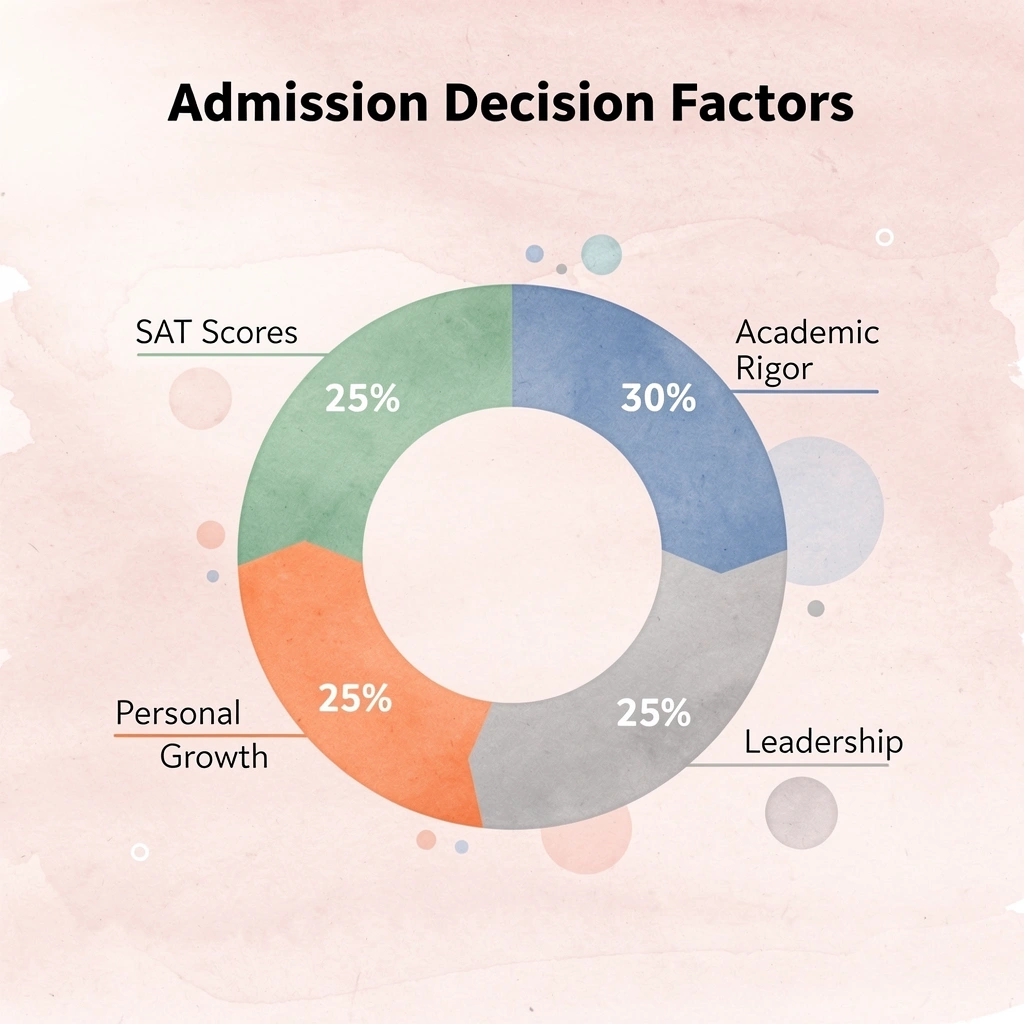
🎯 Key Point: Your test scores are just the entry ticket — holistic factors determine whether you actually get admitted to competitive programs.
"SAT scores explain less than 25% of the differences in admission decisions at selective universities." — Ivy League Research, 2024

🔑 Takeaway: Don't let perfect SAT prep consume all your time when academic rigor, leadership experiences, and personal growth carry three times more weight in the actual admission decision.
Why do high SAT scores alone not guarantee UVA admission?
UVA receives thousands of applications from students who score within or above their middle 50% range of 1410-1540. When so many applicants demonstrate readiness for college-level work through similar scores, test performance ceases to be the deciding factor. Admissions officers then evaluate what students have accomplished with their abilities rather than the abilities themselves.
What matters more than your SAT score at UVA?
A student with a 1550 SAT who took standard-level courses, joined clubs without meaningful involvement, and submitted generic essays faces admission uncertainty. Meanwhile, a student with a 1430 who excelled in AP and IB courses, led community projects with measurable results, and demonstrated clear intellectual interests through strong essays often has a stronger application. The difference isn't the score—it's what each student built around it.
How does course rigor demonstrate academic readiness?
Course rigor demonstrates that a student faces sustained academic challenges over many years, not merely performance on a single test. Admissions officers note when students select difficult classes and excel in them, and when they avoid challenging courses despite strong test scores.
What do extracurricular activities reveal about applicants?
Extracurricular depth shows character in ways standardized tests cannot. Admissions officers understand the pressure high test scores create. They seek evidence of genuine engagement, leadership that drives change, and commitment beyond resume-building, not perfection across 20 activities.
Why do essays matter when test scores are similar?
Essays give the clearest look into who students are when scores and transcripts look identical. Strong writing demonstrates intellectual curiosity, resilience, self-awareness, and reflective capacity. Weak essays leave admissions officers without a sense of the person behind the application. When reviewing thousands of academically qualified candidates, this distinction becomes critical.
But knowing these factors matter differs from understanding where you stand among other applicants competing for the same spots.
Related Reading
- What Sat Score Is Required For Uf
- Average Sat Score For Uga
- Average Act Score For Georgia Tech
- Northwestern Average Sat Score
- What SAT Score Is Required for Cornell
- What SAT Score Is Required for Harvard
- What Is The Combined Essay Score For Sat
- Average Sat Score For Virginia Tech
- Average Sat Score For Uva
- Average Sat Score For Georgetown
- Rice University Average Sat Score
- Caltech Average Sat Score
- Average Sat Score For Michigan
How Competitive Is Your SAT Score Compared to Other UVA Applicants?
PrepScholar reports that UVA's 25th percentile SAT score is 1410 and the 75th percentile is 1520. This range represents what half of enrolled students achieved, though admissions officers use these numbers differently when reviewing your full application.
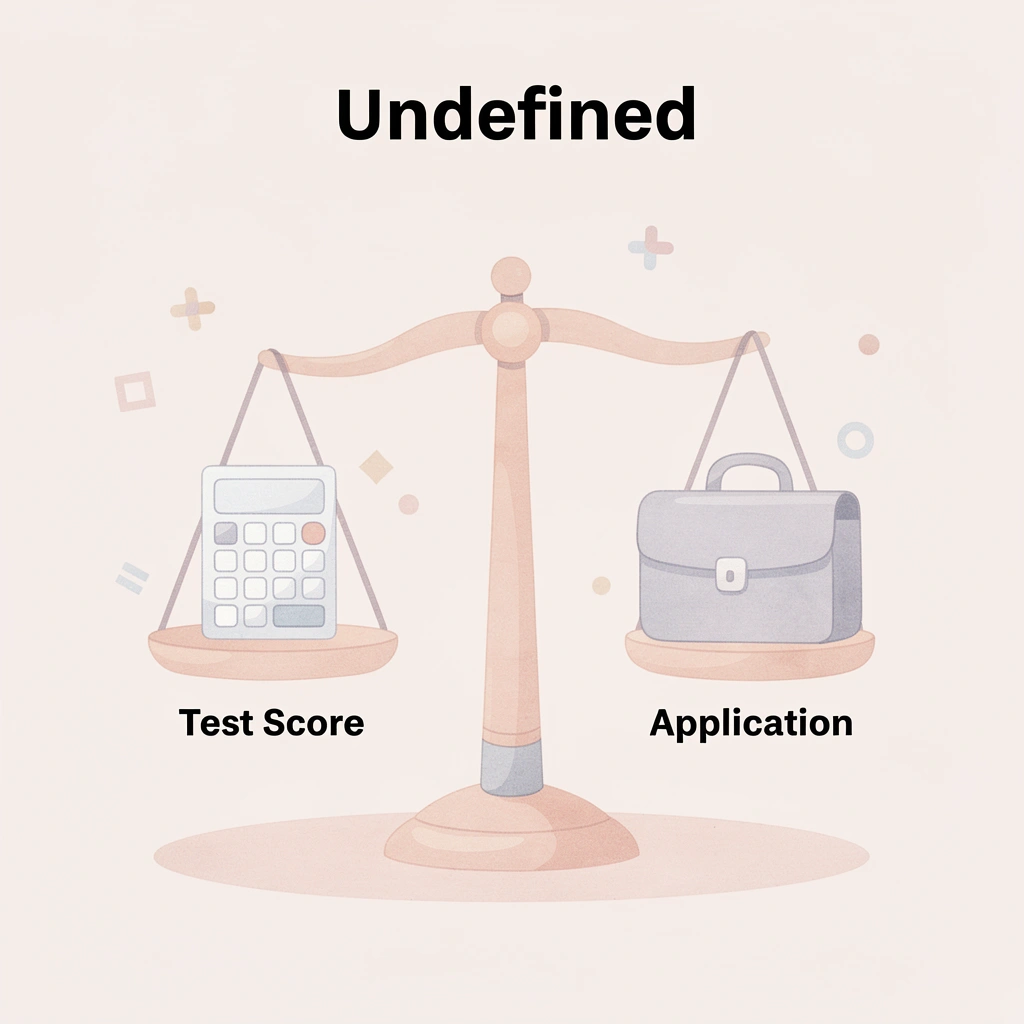
How competitive your score is depends less on the actual number and more on what your application shows about your academic readiness and personal qualities.
What happens when your score falls below UVA's average range?
Scoring below UVA's 25th percentile creates a steeper path, but admissions officers admit students in this range every year when other application components demonstrate strong potential.
How can strong academics compensate for lower test scores?
The question becomes whether your academic record shows consistent strength despite a lower test score. A student with a 1380 SAT who earned straight A's in AP Calculus, AP Literature, and AP Chemistry while working 20 hours weekly presents a different profile than a student with the same score and mostly standard-level courses. Course rigor and sustained performance matter more than a single test day.
What personal factors do admissions officers consider?
Where you live, whether you're the first in your family to attend college, or if you have a documented learning difference, all provide important context. These factors don't excuse weak academics, but they help admissions officers understand your score within your full situation.
When Your Score Sits Between 1410 and 1520
Thousands of applicants fall within UVA's middle 50% range. Your score proves you can handle the academic work, but it doesn't distinguish you from other competitive candidates. Admissions decisions at this level turn almost entirely on factors beyond testing.
What activities make you stand out from other applicants?
The student who started a nonprofit to address food insecurity stands out more than one who joined four clubs without meaningful involvement. The applicant who spent two years studying local water quality and sharing findings with the city council demonstrates deeper intellectual curiosity than one who listed "member" next to a dozen activities. Impact and depth consistently outweigh breadth and titles.
How can your essays create memorable impressions?
Your essays are important. Generic responses about "making a difference" or "pursuing my passion" blend in with thousands of similar applications. Specific stories that show how you think, what you value, and how you've grown create the memorable impressions that move applications forward.
What happens when your score exceeds 1520?
A score above the 75th percentile demonstrates strong academic preparation and removes doubt about your ability to succeed in UVA's classroom environment. However, it does not guarantee admission or diminish the importance of the rest of your application.
Why do high-scoring students still get rejected?
Selective universities reject high-scoring applicants because academic credentials alone don't demonstrate character, curiosity, or contribution. The student with a 1560 SAT and resume-padding activities often loses to the student with a 1480 who showed genuine leadership, intellectual risk-taking, or meaningful community impact.
How can you strengthen your application beyond test scores?
Most students focus too much on comparing scores instead of building applications that reveal who they are beyond the numbers. Platforms like AI college counselor help students understand where their scores fit within UVA's profile, then shift focus toward strengthening essays, identifying meaningful experiences, and crafting stories that set them apart from other academically qualified candidates. Kollegio provides personalized insights to guide you beyond the numbers.
A competitive score opens the door. Everything else determines whether you walk through it.
Build a Stronger Application Than Students With Similar Scores
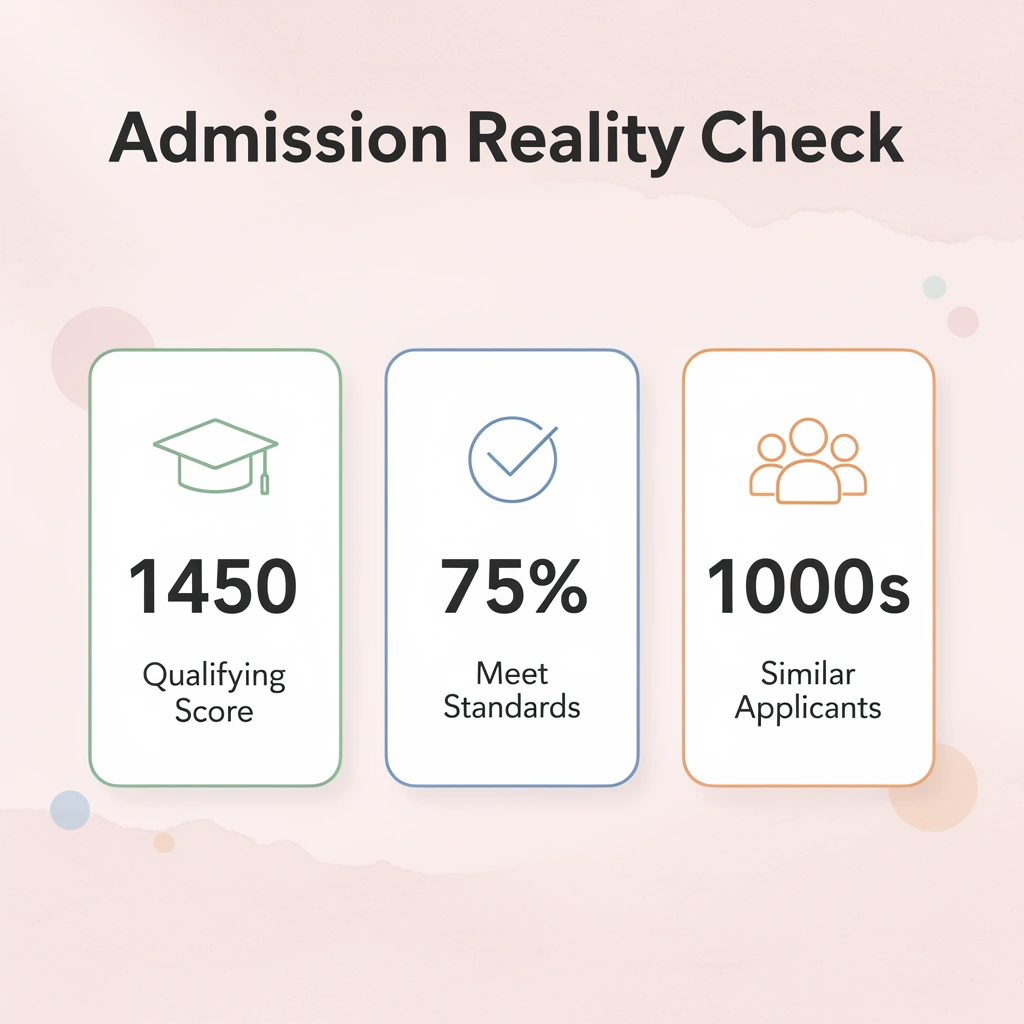
Once your SAT score reaches UVA's competitive range, thousands of other applicants have similar credentials. A 1450 qualifies you for serious evaluation, but admissions officers must choose among many students who cleared the same academic bar. The advantage shifts to what you built beyond testing performance.

🎯 Key Point: Your test scores get you in the door, but your unique experiences and demonstrated impact are what make you stand out from the crowd of qualified applicants.
"At highly selective universities, 75-80% of applicants meet the academic qualifications, making holistic factors the primary differentiator." — National Association for College Admission Counseling, 2023
💡 Strategic Tip: Focus on building meaningful experiences, developing leadership roles, and creating tangible impact in your community—these elements become your true competitive advantage when academic credentials are similar across the applicant pool.
Why does sustained commitment matter more than joining multiple activities?
Most students approach extracurricular involvement as if colleges reward quantity, joining multiple clubs, volunteering occasionally, and listing everything on their application. Admissions officers see through this pattern immediately because they review hundreds of applications with nearly identical activity rosters.
What creates separation is sustained commitment that produces visible impact. A student who spends three years developing a tutoring program serving 50 elementary students demonstrates initiative, leadership, and follow-through. Another student holding membership in eight clubs without meaningful contribution presents a weaker narrative, even with similar SAT scores and GPAs. Depth signals qualities that standardized tests cannot measure: persistence, problem-solving ability, and the capacity to create change.
How do you demonstrate leadership without formal titles?
Leadership comes from what you do, not your title. When you identify a problem in your school or community and organize people to fix it, that matters more than holding a formal position with unclear responsibilities. Admissions officers want to see that you actively changed your environment rather than simply participating in existing groups.
Why do essays become the tiebreaker?
When academic profiles look nearly identical, essays reveal how you think, what matters to you, and how you've grown through specific experiences. The strongest essays show personality and character rather than relying solely on extraordinary accomplishments.
A memorable essay helps admissions officers understand who you are beyond numbers. It might explore a failure that taught you resilience, a quiet moment that changed your perspective, or a challenge that revealed something unexpected about yourself. Generic essays about overcoming adversity or learning teamwork blend into the background because officers read dozens of similar narratives daily. Specificity, honesty, and reflection create distinction.
How do students show intellectual direction without fully formed career plans?
Students don't need fully formed career plans, but successful applicants demonstrate curiosity within areas that interest them. A student interested in environmental science might take relevant classes, conduct independent research, participate in competitions, or volunteer with conservation organizations. These patterns help admissions officers understand how your interests connect to your academic goals and what you might contribute to campus intellectual life.
Why does sustained academic performance matter more than test scores?
According to The Panther Newspaper, 80% of students who applied test-optional had GPAs above 3.5. This suggests that strong academic performance over multiple years matters more than a single test score. Sustained achievement in challenging coursework, combined with clear intellectual interests, builds a more compelling case than modest SAT improvements.
How should students prioritize their time once scores reach competitive levels?
The real question becomes how you spend your time once your score reaches competitive levels. Chasing an additional 30 points might take months of effort with minimal impact on admissions, whereas spending the same time deepening meaningful activities, refining essays, or strengthening your academic narrative often yields better results. The applicants who stand out present the strongest overall case for why they belong at UVA.
How Kollegio Helps You Understand Where You Really Stand
You know UVA's average SAT score and where yours falls within their range, but that tells you almost nothing about whether you're competitive.
🎯 Key Point: Raw test scores only tell part of the story - true competitiveness depends on how your entire profile stacks up against other applicants.

"Test scores are just one piece of the puzzle. The real question is how your complete application compares to the thousands of other students vying for the same spots." — College Admissions Reality Check
Kollegio goes beyond basic score comparisons to show you where you truly stand. Rather than simply stating that your 1450 SAT falls within UVA's middle 50% range, Kollegio analyzes your complete academic profile, extracurricular involvement, and application strength to provide a realistic assessment of your admission chances.

💡 Tip: Use Kollegio's comprehensive analysis to identify specific areas where you can strengthen your application rather than just focusing on test score improvements alone.
What really determines your competitiveness beyond test scores?
The real question isn't whether your SAT score meets a certain threshold, but whether your complete profile makes you someone UVA wants in their incoming class. This requires examining everything: the rigor of your classes relative to what your school offers, the depth and meaning of your extracurricular activities, how well your essays reveal who you are and what you're curious about, and whether your progress demonstrates growth or stagnation.
How should you reframe your college application strategy?
Students ask "Is my SAT good enough?" when the more strategic question is "How does my entire application compare to what selective colleges prioritize?" That shift changes how you build your college list and strengthens weak areas before deadlines.
Why do test scores alone fail to predict admission outcomes?
Most applicants compare one number (their SAT) to another (UVA's average), then wonder why the outcomes don't match their predictions. A 1450 SAT tells admissions officers you can handle college-level coursework, but not whether you've challenged yourself academically, contributed meaningfully to your community, or developed the intellectual maturity they seek.
How can students evaluate their complete competitive profile?
Kollegio helps students assess their competitiveness across every component of the college application process. Instead of worrying whether a 1420 is "good enough," you can see how your course difficulty, leadership experiences, essay quality, and academic progress compare to accepted students. Over 300,000 students and families have used the platform to build smarter, more realistic college lists based on their complete profiles rather than single test scores.
What Comprehensive Evaluation Actually Reveals
When you examine your full application, patterns emerge that single scores obscure. A student with a 1410 SAT might find that four years of steady community service leadership, combined with AP-heavy classes and a compelling personal story, creates a stronger profile than someone with a 1500 who participated in activities without depth or impact. Another might realize that their 1480 SAT, paired with standard classes and generic extracurriculars, makes them less competitive than their score alone suggests.
How does profile-based thinking transform your strategy?
This is where thinking about your profile replaces worrying about scores. You stop asking whether one number is good enough and start asking which parts of your application strengthen your case and which need improvement. That clarity changes how you spend your remaining time: less energy retaking tests for diminishing returns, more focus on deepening activities, refining essays, or addressing gaps in your academic story.
Why do identical test scores produce different admission outcomes?
Admissions decisions happen at the profile level, not the score level. Two applicants with identical SATs rarely receive identical decisions because everything else differs: one took every advanced course available while working part-time, the other chose easier classes to protect their GPA. One founded and sustained a tutoring program serving underserved students; the other joined five clubs without meaningful involvement. One wrote essays revealing genuine intellectual curiosity and self-awareness; the other submitted technically correct but forgettable responses.
But knowing you need a comprehensive evaluation and conducting it are different challenges.
Use Kollegio's AI College Counselor for Free Today!
Understanding where your SAT score fits within UVA's holistic review is the starting point. You still need to assess course rigor against what's available at your school, evaluate whether your extracurriculars demonstrate depth or participation, and determine if your essays reveal the intellectual curiosity admissions officers seek.

🎯 Key Point: UVA admissions involve much more than hitting a 1445 SAT score - your full applicant profile determines your real competitiveness across every dimension that matters.
"Over 300,000 students have used AI-powered college counseling platforms to build applications that reflect their actual competitiveness across every dimension that matters." — Kollegio Platform Data, 2024

If this article helped you see that UVA admissions involve more than hitting a 1445 SAT, try Kollegio's AI college counselor for free today. Your first session can help you evaluate your full applicant profile, identify whether UVA belongs on your reach, match, or target list, and uncover practical ways to strengthen your application. Over 300,000 students have used the platform to build applications that reflect their competitiveness across every dimension that matters.
💡 Tip: Use AI college counseling to get an objective assessment of where you stand beyond just test scores - it's the comprehensive evaluation that reveals your true admission chances.

Related Reading
- What SAT Score Is Required for Duke
- What Sat Score Is Required For Mit
- What Sat Score Is Required For Harvard
- What Sat Score Is Required For Nyu
- What Sat Score Is Required For Columbia
- What Act Score Is Needed For Alabama
- What Sat Score Is Required For Yale
- What Sat Score Is Required For Notre Dame
- What Sat Score Is Required For Ivy League
- What Sat Score Is Required For Cornell
- What Sat Score Is Required For Ut
- What Sat Score Is Required For Ucla
- What Sat Score Is Required For Stanford
- What Sat Score Is Required For Princeton
- What Sat Score Is Required For Texas A&m