What Are the Best Safety Schools for College Applications?
Applying to college can be a stressful and overwhelming process, especially when it comes to choosing the specific schools to include in your applications. It's important to not only aim for your dream schools but also have a few safety schools in mind. Safety schools are often viewed as backup options in case you don't get accepted to your top choice schools. However, most people overlook that they can also offer top programs and opportunities for students to excel and succeed.
So Why Safety Schools?
Well, the college admissions process can be unpredictable, and having some less competitive options in your list of schools can ensure that you have a place to go in the fall that meets your financial needs while aligning with your career goals. It's always better to be safe than sorry when it comes to your future education.
Why: Competitors consistently cover the recommended number of safety schools to include on a list (a top SERP must-have), and the live post never addresses this question at all, leaving a concrete planning gap that readers actively search for.
How Many Safety Schools Should You Actually Apply To?
Most students spend a lot of time debating which safety schools to apply to, but fewer stop to ask how many they actually need. The answer matters more than you might think, because every application you send to a school you will almost certainly get into is one you could have directed toward a target or reach.
The General Rule: 1 to 2 True Safeties Is Usually Enough
Among students on r/ApplyingToCollege, the consensus leans toward 1 to 2 safeties, provided they are genuine ones. As one commenter put it: "One or two safeties if they're legitimate safeties, i.e. >90% of admission AND guaranteed you can afford them." Advice in that same thread ranges from 1 to 4 safeties across total list sizes of 6 to 20 schools, showing there is no universal number, but stacking multiple safeties is rarely the recommended approach.
Why Affordability Is the Other Half of the Safety Definition
A school with a 95% acceptance rate is not a safety if you cannot afford to attend. Admission and financial fit must both be near-certain before a school earns the label. That is why identifying your best safety schools requires looking at net price, not just selectivity. Kollegio's College Finder uses thousands of data points, including financial fit, to surface schools that genuinely align with your profile, so you are not left guessing whether a school is a true safety or just an easy admit.
How to Pick a Perfect Safety School?
Picking a safety school involves many factors to be taken into consideration.
1. Acceptance Rate
One key factor to consider is the acceptance rate of the school by observing the average GPA and standardized test scores of admitted applicants. In this you may want to pick a school where you are within the range of accepted students, ensuring you have a good chance of getting in.
2. Check for Desired Programs
You should check for your desired program with the amount of opportunities you may be able to get.
3. Location
You should consider the location of the university, as this is the place you will be spending most of the time living after high school. I also highly advise looking at the instate schools, as many schools prefer in-state applicants which could help them slightly to be accepted.
4. Financial Need
Check the school’s official websites with their Net Price Calculators to make sure they meet your financial needs based on your family income. I would highly advise looking towards small, private colleges that could offer significant aid, as these schools often offer generous scholarships to attract strong applicants.
I Still Cannot Find a Safety School!!??
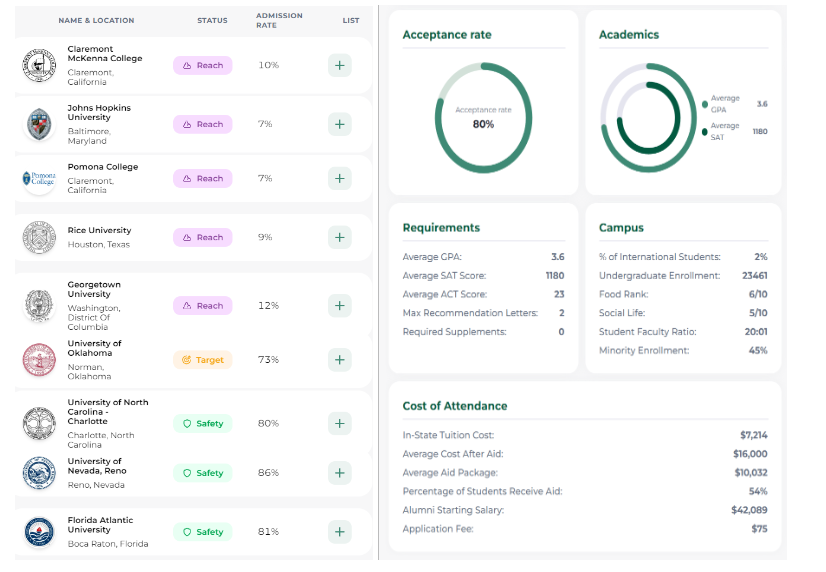
Going to many schools’ official websites, and checking the consideration factors could be time-consuming, and still lead to doubts toward differentiating between safety and target schools could be an overwhelming process. But not anymore, there is a helpful free tool called Kollegio that allows you to classify schools into safety, reach and target schools based on your preferences and academic background, while also providing all the information you need such as the cost, acceptance rate, financial aid, average stats, location, and ranking of the program.
Why: Top competitors like CollegeTransitions explicitly acknowledge that safety schools are 'not one-size-fits-all' yet organize lists with no geographic framing, missing students searching for in-state or regional options. This block closes that gap.
Best Safety Schools by Region: Northeast, South, Midwest, and West
The best safety schools vary by student. As CollegeTransitions notes, "the best options for you will require both research and strategy." Geography is a major part of that strategy; in-state schools almost always mean lower tuition, closer proximity to home, and stronger regional alumni networks. Below is a starting framework organized by region to help narrow your list.
Northeast Safety Schools
Northeast students, who often target competitive schools in the region, frequently look for rolling-admission safeties close to home. Strong options with solid academics and higher acceptance rates include University of Maine, University of Rhode Island, and Montclair State University in New Jersey. Each offers in-state pricing that can make the affordability half of the safety definition much easier to meet. One parent in a college admissions Facebook group specifically asked for "safety schools in the NE with rolling admission," which signals how common and specific this regional search is.
South and Midwest Safety Schools
In the South, schools such as University of Alabama, Appalachian State University (North Carolina), and University of Arkansas consistently show acceptance rates above 70% while maintaining strong programs across business, engineering, and the liberal arts. In the Midwest, options like University of Kansas, Ohio University, and Western Michigan University offer broad program selections at accessible price points for in-state students. Both regions reward early research, since merit aid deadlines at these schools can fall as early as November.
West Coast and Mountain West Safety Schools
Western students face a tighter in-state landscape at the UC and CSU systems, but schools like University of Nevada, Reno, University of Idaho, and Montana State University serve as strong geographic safeties with manageable acceptance rates and growing STEM programs. For California residents, Cal State schools such as Cal State Fullerton and Cal State East Bay remain reliable options with broad program offerings. Because regional fit adds variables across cost, distance, and program strength, using a tool like Kollegio's personalized College Finder to filter by location alongside academic fit can save significant time and surface options you might not have considered.
Some Examples of Best Safety Schools
Before we continue with the examples from some of the best safety schools. Bear in mind that these schools are widely known, I am using these as an example, and you should always choose a school based on your specific needs :
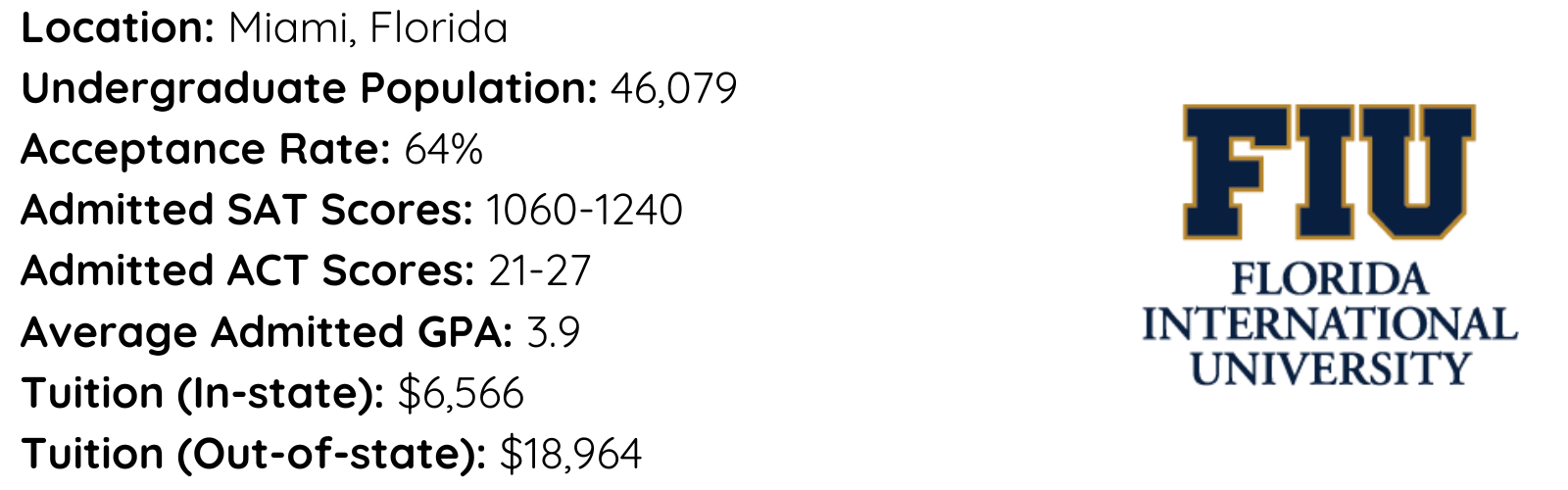
1. Florida International University
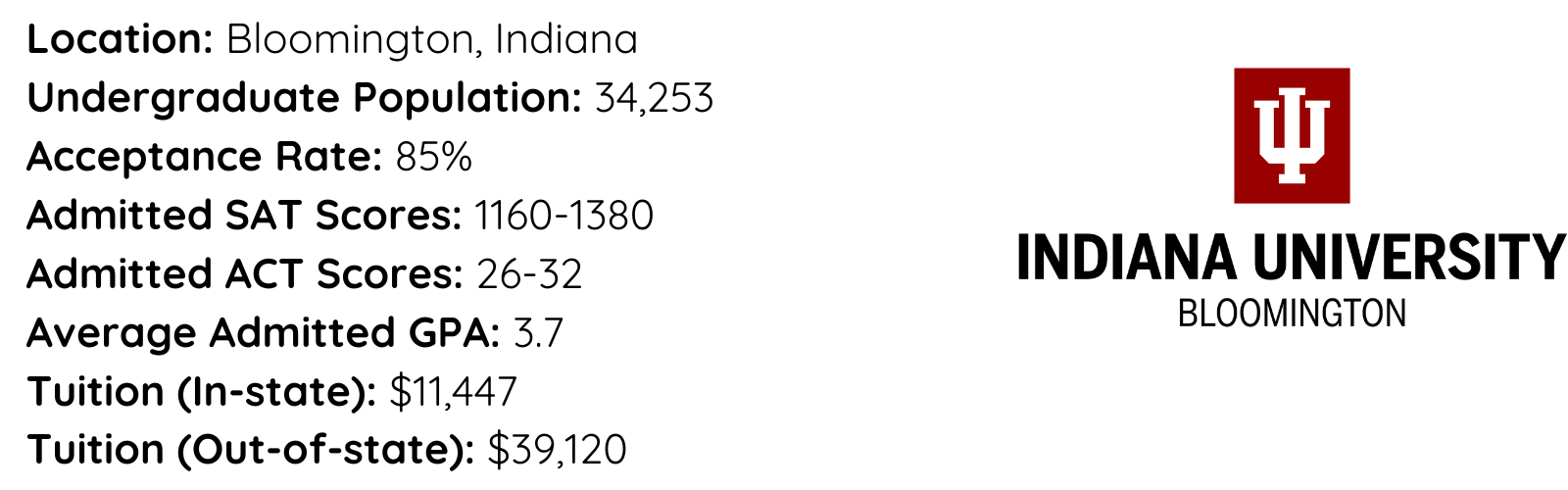
2. Indiana University, Bloomington
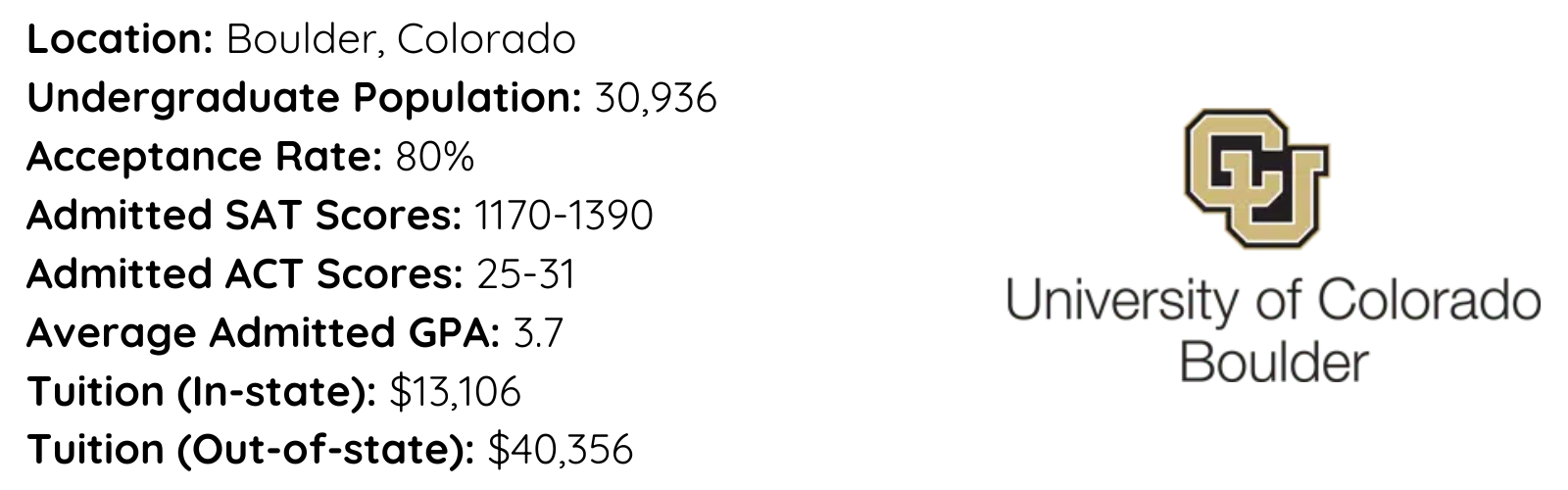
3. University of Colorado, Boulder
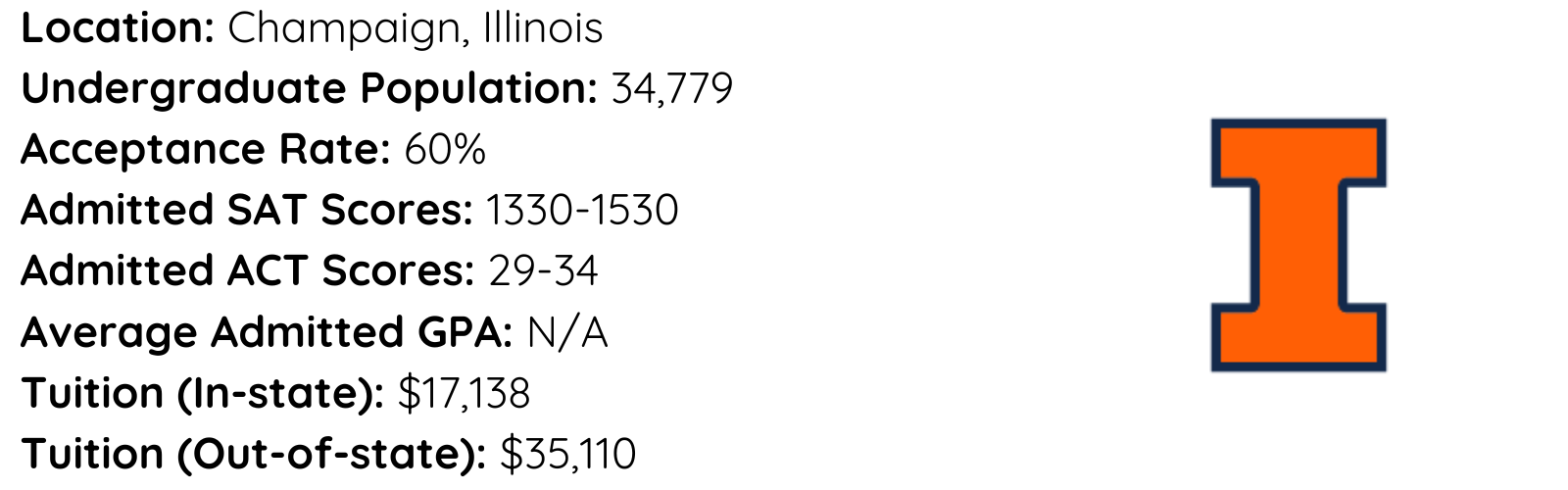
4. University of Illinois, Urbana - Champaign
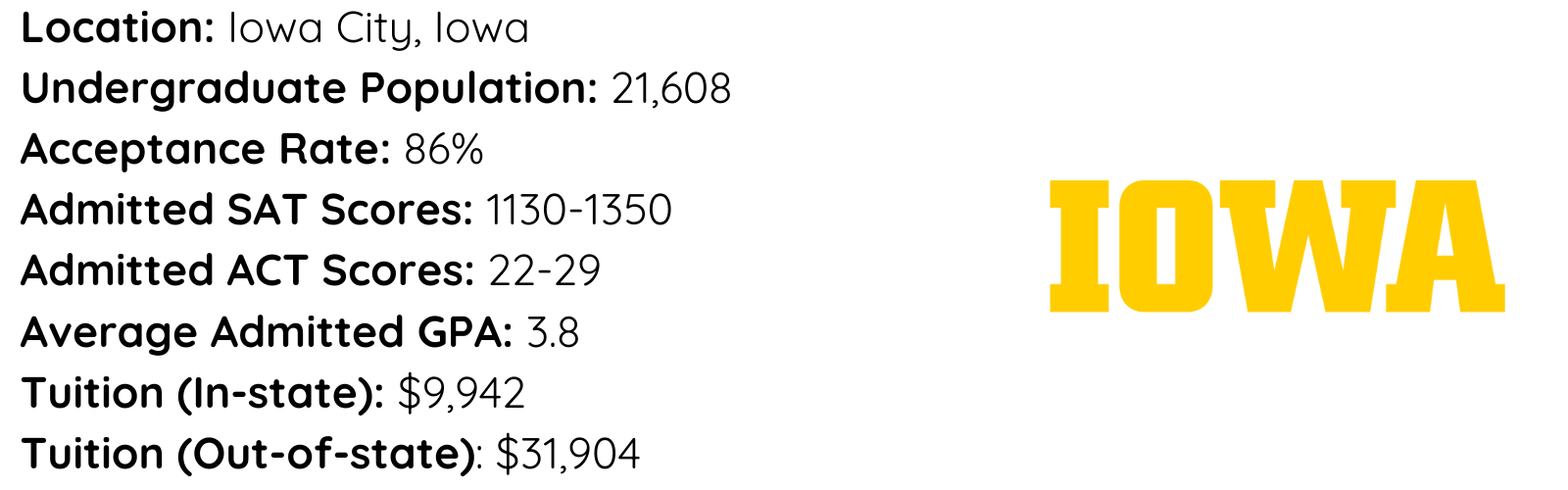
5. University of Iowa
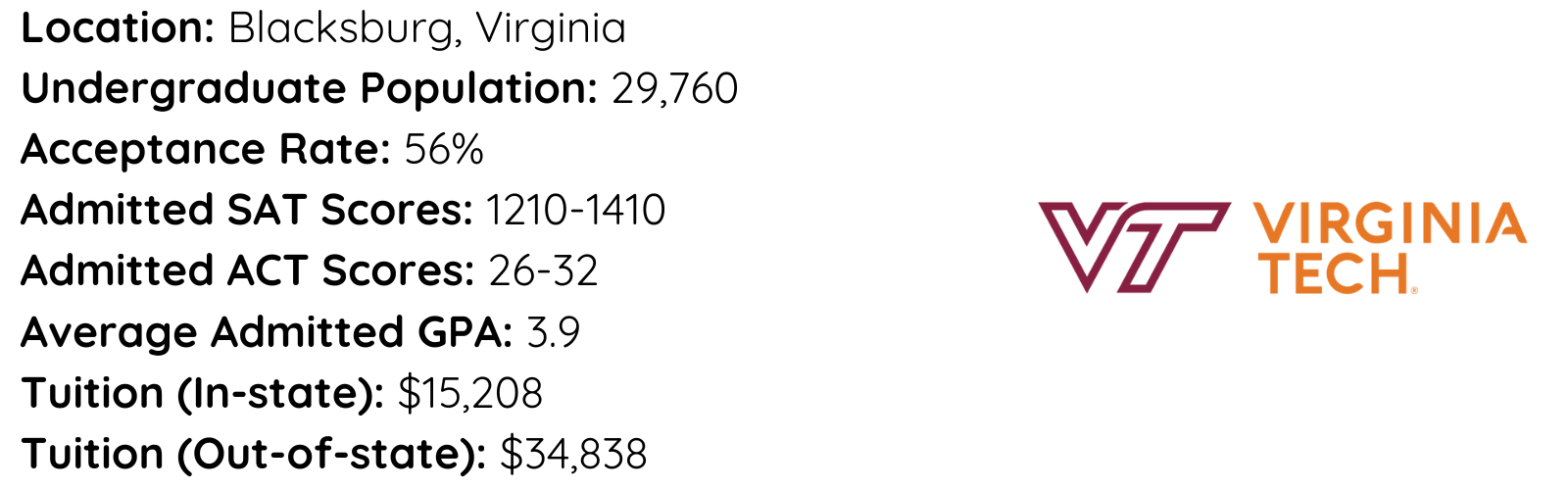
6. Virginia Tech
Additional Key Point Takeaways
Now that you know how to find a safety school, there are some additional steps you should keep in mind, before the final evaluation where you follow this:
Visit campuses: One of the most important steps in evaluating safety schools is to visit the campuses in person. This will give you a firsthand look at the campus environment, facilities, and overall vibe of the school. Pay attention to the campus culture, class sizes, and proximity to major cities or attractions. A campus visit can help you determine if the school is the right fit for you.
Explore academic offerings: Another key point to consider when evaluating safety schools is the academic offerings. Take a look at the programs and majors offered by the school, as well as the availability of internships, research opportunities, and study abroad programs. Make sure the school offers the academic support and resources you need to succeed in your chosen field of study.
Assess the vibrancy of student life: Lastly, it's important to assess the vibrancy of student life at the safety schools you're considering. Are there plenty of clubs, organizations, and extracurricular activities for students to get involved in? Is there a strong sense of community on campus? Pay attention to the social scene, dorm options, and overall student satisfaction to determine if the school offers a well-rounded college experience.
Kollegio: Streamlining Your Safety School Selection
Choosing the right safety school is crucial, and Kollegio can significantly simplify this process. Our AI-driven platform offers tailored recommendations based on your academic background and preferences, ensuring you find a safety school that not only meets your academic and financial criteria but also complements your future aspirations. With Kollegio, you gain access to detailed information on acceptance rates, program rankings, financial aid options, and more, all tailored to help you make an informed decision with ease. Let Kollegio guide you to the perfect safety school and secure your path to college success.
By Purv Patel
Author
kollegio