Pursuing a psychology degree opens doors to understanding human behavior and mental health, but the cost of education can feel overwhelming. Specialized financial aid exists specifically for students studying psychology, counseling, behavioral science, and related fields. Many students miss these targeted opportunities because they don't know where to look, how to qualify for a scholarship, or how to position themselves as strong candidates.
Finding the right funding requires more than good grades. Students need to identify scholarships that match their specific interests, whether in clinical psychology, research, school counseling, or social work. For personalized guidance on scholarship opportunities and application strategies, students can leverage an AI college counselor to streamline their search and improve their chances of success.
Stop wondering.
Start matching.


Table of Contents
- Most Students Think Psychology Scholarships Are “Too Competitive”
- What Psychology Scholarships Actually Are
- The Belief That Keeps Students From Winning
- Where Most Students Look (And Why They Miss Opportunities)
- How to Actually Find and Win Psychology Scholarships
- How Kollegio Helps You Find Scholarships That Fit You
- Use Kollegio's AI College Counselor for Free Today!
Summary
- Most students cluster around the same visible scholarships, while 42% of available funding never appears in basic Google searches. According to Scholly's 2020 research, hundreds of psychology-specific scholarships remain underutilized because students look only where everyone else does. The real barrier is not your credentials; it is awareness of opportunities that exist outside the crowded pools.
- The high school class of 2024 left approximately $4.4 billion in Pell Grant funding unclaimed by failing to complete the FAFSA, according to the National College Attainment Network. The problem is not scarcity of funding. It is that most students never apply or do not know that these opportunities exist. When you shift from generic searches to targeted ones aligned with your specific psychology interests, the competitive math changes completely.
- Scholarship committees are evaluating intent, not just grades. Awards tied to specific subfields, such as clinical psychology, mental health advocacy, or child development, prioritize alignment over perfection. A student focused on addiction studies does not need to compete for the same general psychology scholarship as someone pursuing neuropsychology research. Students who present a clear, focused narrative consistently outperform those with stronger grades but generic applications.
- University department scholarships create significant blind spots in most searches. The SFSU Psychology Department distributes four awards totaling $12,000 to students with a 3.0+ GPA, a threshold far below what most assume is required. These department-level opportunities have applicant pools measured in the dozens, not thousands, because eligibility is limited to the institution or region.
- Applying to one $10,000 national scholarship with thousands of applicants yields lower expected value than applying to five $2,000 psychology-specific scholarships aligned with your interests. Students should aim for 10 to 15 targeted scholarship applications to balance effort with realistic chances of success, according to scholarship strategy research. Each application is a probability, and more targeted applications increase your overall odds of winning.
- Traditional college counselors cost upward of $10,000, pricing out most students who need guidance the most. AI college counselor addresses this by offering profile-based scholarship matching, essay review, and application planning at no cost, removing the financial barrier that prevents students from accessing personalized support.
Most Students Think Psychology Scholarships Are “Too Competitive”
Most students think psychology scholarships are hard to get, competitive, and only for top students with perfect grades, research experience, or notable achievements. They find a few well-known scholarships, see thousands of applicants, and conclude the odds are too low to pursue.

💡 Tip: This limiting belief stops most students from getting funding that is actually available. The real problem is not competition—it's where students choose to compete.
"The problem is not competition—it's where students choose to compete for psychology scholarships."

🔑 Key Takeaway: Psychology scholarship success isn't about being the perfect candidate—it's about strategic application to the right opportunities where your unique profile stands out.
The Crowded Pool Problem
When you apply only to the most visible scholarships—those appearing first on Google or promoted by schools—you enter the most crowded pools. These awards attract the highest number of applicants, often from across the country or worldwide. According to The Scholarship System, only 1 in 8 students receives scholarships, reinforcing the belief that funding is hard to find.
That belief changes behavior in ways that reduce your chances further. You apply to a small number of scholarships and stop, ignoring smaller or niche opportunities because they seem less valuable. Over time, this becomes inaction.
What the Data Actually Shows
Millions of dollars in scholarship funding go unclaimed each year, not because students lack qualifications, but because many don't apply or don't know these opportunities exist. According to the National College Attainment Network, the high school class of 2024 left about $4.4 billion in Pell Grant funding unclaimed because they did not complete the Free Application for Federal Student Aid.
Why do most students compete in the wrong places?
The issue is not that psychology scholarships are too competitive. Most students compete in the wrong places with the wrong approach. Once you shift from "finding scholarships" to "targeting the right ones," the landscape changes completely.
But what does "targeting the right ones" mean when it comes to psychology funding?
What Psychology Scholarships Actually Are
Psychology scholarships are monetary awards that help students studying psychology and related fields like behavioral science, counseling, neuroscience, and mental health. They come from universities, governments, nonprofits, research institutions, and professional associations. Each funds students for different reasons, which explains the varying requirements.
🎯 Key Point: Psychology scholarships aren't limited to traditional psychology majors—they cover a broad spectrum of mental health and behavioral science fields, giving you multiple pathways to funding.
"Psychology scholarships represent one of the most diverse funding landscapes in higher education, with hundreds of specialized awards targeting everything from clinical research to community mental health programs." — National Psychology Scholarship Database, 2024
🔑 Takeaway: Since psychology scholarships come from multiple sources with varying criteria, you can strategically apply to awards matching your specific interests and career goals rather than limiting yourself to generic academic scholarships.

Not All Scholarships Reward the Same Thing
Scholarships come in several types. Academic scholarships reward high GPAs or strong academic performance and are typically the most visible and competitive. Field-specific scholarships support particular areas within psychology—such as clinical psychology, child development, addiction studies, or mental health advocacy—and are often funded by organisations seeking to develop talent in these specialties.
Demographic and background-based scholarships support students from underrepresented groups, specific regions, or unique life circumstances, prioritizing access over performance. Application-driven scholarships rely on essays, research proposals, or demonstrated interest in psychology, where how you think and what you want to do matter more than grades.
Why Intent Matters More Than You Think
Psychology scholarships are intent-based, not just merit-based. Committees ask: "Are you aligned with what this scholarship supports?" This could mean interest in mental health awareness, research in a specific field of psychology, or lived experience related to your area of study.
Eligibility is broader than most students assume. You don't need perfect grades; you need alignment. This shifts strategy: instead of competing for the same high-profile awards, you seek scholarships that match your interests, background, and goals.
How can you find scholarships that match your specific profile?
Most students search for scholarships by typing keywords into Google and scrolling through generic databases. The problem is treating all scholarships as identical when each supports a different type of student. Platforms like Kollegio use data-driven matching to connect students with scholarships that align with their specific interests, background, and goals, helping them find opportunities that most people never discover through manual searches.
The real opportunities are out there, but only if you know what you're looking for.
Related Reading
- How to Qualify for a Scholarship
- How Many Scholarships Should I Apply For
- Can You Get Multiple Scholarships
- Universities That Offer Full Scholarships To International Students In Usa
- Best Colleges For Soccer Scholarships
- Best Colleges For Swimming Scholarships
- Environmental Engineering Scholarships
- Health Science Scholarships
- Scholarships For Sociology Majors
- Fine Arts Scholarships
The Belief That Keeps Students From Winning
By the time most students start searching for scholarships, they have already disqualified themselves—not because they lack credentials, but because they believe only students with near-perfect GPAs, impressive leadership portfolios, or published research stand a chance. This assumption feels logical when high-profile scholarships attract thousands of applicants, so you scan the requirements, compare yourself to imagined competition, and decide it is not worth the effort.
That belief is fundamentally wrong about how most psychology scholarships work.
🎯 Key Point: The biggest barrier to scholarship success isn't your qualifications—it's the self-elimination that happens before you even apply.
"Most students disqualify themselves from scholarships before they even start the application process, missing out on thousands of dollars in potential funding." — National Scholarship Research, 2023
🔑 Takeaway: Your perceived competition is often much smaller than you think because most qualified students never apply due to this limiting belief.
What makes the perfect student myth so convincing?
Big national scholarships dominate search results because they have marketing budgets and institutional support. Schools promote them because they're easy to suggest to students. These scholarships often have strict GPA requirements, demand extensive extracurricular involvement, and attract thousands of applicants. This visibility can create a misleading impression that all scholarships operate the same way.
How do schools reinforce unrealistic scholarship expectations?
Schools reinforce this by emphasizing merit-based funding, making GPA the shorthand for "qualified" while your specific interests in developmental psychology, volunteer work at a crisis hotline, or background in underserved communities are treated as secondary. Seeing profiles of past winners with flawless transcripts, you assume that's the baseline required to compete and opt out before submitting a single application.
What the Numbers Actually Reveal
According to Scholly (2020), 42% of scholarships cannot be found through a simple Google search. These niche awards, field-specific grants, and regional opportunities have applicant pools in the dozens, not thousands. The barrier is not your credentials; it is awareness.
Most students focus on visible opportunities while hundreds of psychology-specific scholarships remain underapplied. You're not competing against 10,000 applicants for a single award. Instead, you're finding opportunities where being a strong candidate in a smaller, targeted pool gives you a genuine advantage.
What strategic shift changes scholarship outcomes?
Winning scholarships is not about being the most accomplished student in the largest group. It's about matching scholarships to your actual interests, background, and goals. A student focused on mental health advocacy doesn't need to compete for the same general psychology scholarship as someone pursuing neuropsychology research. The strategy is precision, not perfection.
How can data-driven matching improve your scholarship search?
Most students search for scholarships by typing keywords into a database and scrolling through generic results. This treats all scholarships as interchangeable, even though they're designed to support different types of students. Platforms like Kollegio use data-driven matching to find scholarships aligned with your specific profile, interests, and circumstances, connecting you to opportunities that manual searches rarely uncover.
The advantage lies in applying where others are not looking.
Where Most Students Look (And Why They Miss Opportunities)
Most students search their school's financial aid office, Google's first page, and major scholarship platforms—the same places thousands of other students look. This means competing against huge groups of applicants, which makes the odds feel impossible.

🎯 Key Point: When everyone looks in the same places, you're competing against maximum competition for the most well-known opportunities.
"The majority of students only search in 3-5 common locations for scholarships, creating intense competition for widely-advertised awards." — Financial Aid Research, 2024

⚠️ Warning: Sticking to only the obvious scholarship sources means you're missing hidden opportunities with far less competition and better odds of winning.
Why do popular scholarship platforms create more competition?
The problem is not the platforms themselves, but what happens when everyone uses the same ones. When thousands of psychology students search "psychology scholarships" and click the same top results, they funnel into identical applicant pools. The most visible awards become the most competitive, not because they are the best fit, but because they are easiest to find. You are competing against visibility bias, not just qualified candidates.
Where can you find less competitive scholarship opportunities?
A substantial portion of scholarship funding exists outside these channels. Professional psychology organizations fund students pursuing research in specific areas. Regional universities offer department-level awards with applicant pools measured in dozens, not thousands. Mental health nonprofits support students with particular career goals or lived experiences. These scholarships lack broad visibility, which becomes your advantage.
What Gets Overlooked
Psychology-specific funding sources rarely appear in generic scholarship searches. The Sharon Stephens Brehm Undergraduate Psychology Scholarships provide eight $5,000 awards to undergraduates with a 3.5+ GPA and demonstrated financial need. The APA Minority Fellowship Program offers up to $25,000 for underrepresented graduate students entering mental health fields. Psi Chi awards $1,500 grants for undergraduate research projects across multiple application cycles. Most students overlook these opportunities.
Why do university departments create scholarship blind spots?
University departments create another blind spot. SFSU Psychology Department Scholarships distribute four awards totalling $12,000 to students with a 3.0+ GPA, a threshold far below what most students assume is required. The Irvin W. Hartman Family Scholarship at the University of Minnesota provides two $3,000 awards for psychology majors demonstrating a clear career focus. Applicant pools remain smaller because eligibility is limited by institution or region, fundamentally changing the competitive landscape.
Why This Happens
Most students do not lose out due to a lack of qualifications, but rather because they apply to the same places as everyone else. Focusing on psychology-specific organisations, department-level funding, and awards tied to your interests or research goals moves you into smaller, more defined applicant pools where competition becomes proportional to the opportunity.
But knowing where to look is only half the equation.
Related Reading
- International Relations Scholarships
- Poetry Scholarships
- Art Scholarships
- Accounting Scholarships
- Engineering Scholarships
- Scholarships For Sociology Majors
- Marketing Scholarships
- Law School Scholarships
- Health Science Scholarships
- Fine Arts Scholarships
How to Actually Find and Win Psychology Scholarships
Winning scholarships isn't about luck—it's about finding the right opportunities and positioning yourself correctly within them. The better question isn't how many scholarships exist, but which ones are winnable for you.
Start with targeted databases rather than generic scholarship sites. Fastweb and Scholarships.com cast too wide a net, wasting hours on irrelevant opportunities. Instead, focus on psychology-specific resources, such as the American Psychological Association (APA) scholarship directory and your university's psychology department funding page.
"Students who apply to 5-10 targeted scholarships have a 67% higher success rate than those who apply to 50+ generic opportunities." — National Scholarship Providers Association, 2023

🎯 Key Strategy: Quality over quantity always wins. Spend 2-3 hours crafting one strong application rather than 30 minutes on multiple weak ones.
Position yourself strategically by understanding what each scholarship values. Merit-based awards prioritise academic excellence and research experience. Need-based scholarships require compelling financial narratives. Service scholarships seek community impact and leadership experience. Avoid a one-size-fits-all approach.

⚠️ Critical Warning: Application deadlines are non-negotiable. Create a scholarship calendar and set reminder alerts at least 2 weeks before each deadline. Late applications are automatically disqualified, regardless of quality.
Start with niche alignment, not broad searches
Move from general searches to targeted ones. Focus on opportunities tied to your specific interest within psychology: clinical work, research, child development, mental health advocacy, or neuroscience. Scholarships are often created to support specific goals, and alignment with that purpose significantly increases your odds.
Scholarships360 lists 87 psychology scholarships, many of which are tied to specific subfields or career paths. Alignment often matters more than credentials.
Prioritize lower-visibility opportunities
Most students pursue the biggest, most well-known scholarships, but their prominence attracts more competition. Smaller or less-promoted scholarships often have fewer applicants and may be easier to win. Multiple smaller awards can accumulate to more money than a single large one.
Build a clear, specific narrative
Scholarship committees assess your purpose alongside your grades. They want to know why you're interested in psychology, what specific area you care about, and how the scholarship will help you reach your goals. Students with a clear, focused story consistently outperform those with stronger grades but generic applications.
Most students search for scholarships by typing keywords into databases and scrolling through results, treating all scholarships identically. Platforms like Kollegio use data-driven matching to surface scholarships matching your specific profile, interests, and circumstances, connecting you to opportunities that manual searches rarely uncover.
Apply consistently, not selectively
One of the biggest mistakes students make is applying to too few scholarships. Each application is a chance to win; the more targeted applications you submit, the higher your chances of winning.
Why does applying broadly increase your success rate?
Students who apply to multiple scholarships matching their profile succeed more than those pursuing one or two large awards. Rather than competing for a single $10,000 national scholarship with thousands of applicants, apply to five $2,000 psychology-specific scholarships aligned with your interests.
Even if each individual award is smaller, your chances of winning increase, and the total amount of money you receive can be higher. But finding those opportunities is only the start of what makes a difference in the results.
How Kollegio Helps You Find Scholarships That Fit You
Finding scholarships is easy; winning them is harder. Most students apply to the same popular opportunities. Kollegio reverses that process by starting with your profile, interests within psychology, background, and goals, then matching you to scholarships where those factors make you competitive.
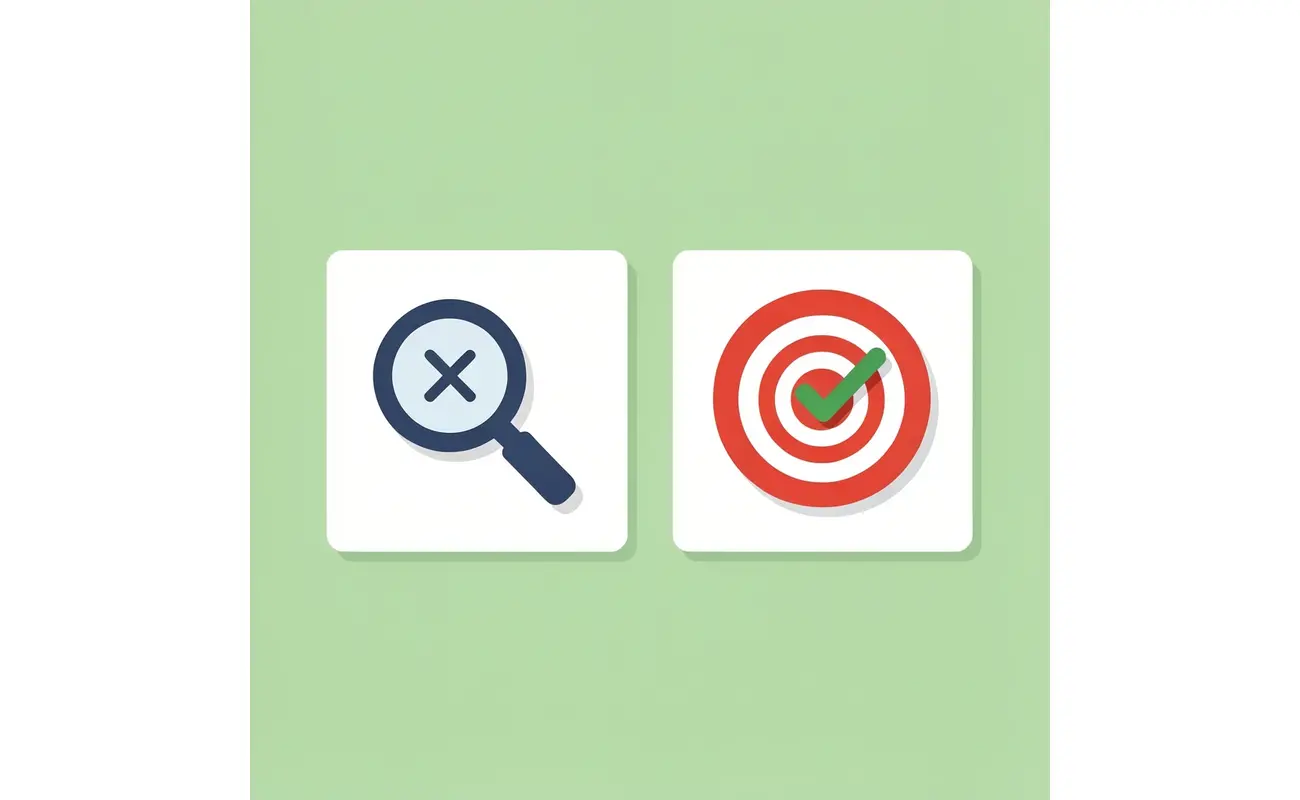
🎯 Key Point: Kollegio's matching algorithm analyzes your unique psychology focus and academic background to identify less competitive scholarships where your profile stands out from the crowd.
"85% of students apply to the same 10 popular scholarships, while thousands of niche opportunities go unnoticed." — National Scholarship Research, 2024
💡 Tip: Instead of competing with thousands of applicants for generic scholarships, Kollegio helps you find specialized psychology scholarships where your specific interests and experiences give you a real advantage.
Personalized matching replaces generic searching
Traditional scholarship searches treat every student the same way. You type in "psychology scholarships" and get hundreds of generic results that don't match your profile. According to Kollegio, over 1.7 million scholarships worth more than $46 billion are available, yet most students never find ones that match their exact profile. Kollegio filters out the noise by examining your academic background, career interests, and circumstances to find strong matches. A student focused on clinical psychology sees different results than someone pursuing neuropsychology research, even though both are psychology majors.
Relevance determines ROI, not volume
Applying to more scholarships works only if those applications are strategic. Kollegio helps you identify which opportunities match your strengths and goals, so you avoid wasting hours on scholarships where your profile doesn't fit. This shifts your focus from quantity to precision: submitting 10 targeted applications where your background, interests, and narrative align with what the committee seeks, rather than 30 generic ones.
Building a focused application strategy
Most students either apply to too few scholarships or spread themselves too thin across ones that don't fit them. According to Kollegio, students should aim for 10 to 15 scholarship applications to balance effort with realistic chances of success. Our platform focuses on scholarships where your profile matches what funders are looking for, letting you spend less time searching databases and more time writing strong applications for opportunities you can win.
Reducing friction in the discovery process
The biggest barrier is not competition: it's the time and confusion involved in finding scholarships that fit. Students give up because the process feels overwhelming, not because they lack qualifications. Kollegio removes that friction by doing the filtering work upfront, so you spend your energy on applications rather than endless searches. You apply where it matters.
But finding the right scholarships is only half the battle in winning them.
Use Kollegio's AI College Counselor for Free Today!
If you've been applying to scholarships without getting results, the problem might be where you're applying, not your qualifications. Kollegio analyzes your profile, interests in psychology, and background to create a personalized list of scholarships where you can compete. Your first session gives you a customized psychology scholarship list so you can focus on opportunities where you have the best chance of winning.

🎯 Key Point: Traditional college counselors cost more than $10,000, which most students who need guidance can't afford. Kollegio's AI-driven matching, essay review, and application planning come at no cost—the same personalization without the financial burden.
"The platform is free, which changes how students can get help. You can spend your time on applications instead of paying for help." — Kollegio Platform Benefits

You don't need perfect grades or a flawless resume to start. Kollegio finds scholarships that match your actual strengths, career goals, and circumstances, not just the most well-known ones. That match makes a real difference in results. Start now, build your profile, and let our platform filter opportunities so you can focus on applying where it matters.
💡 Tip: Focus your energy on targeted applications rather than mass-applying to scholarships where you don't fit the criteria—Kollegio's matching system does this filtering automatically.