
Is Accounting a Good Major? Salary, Jobs, and Fit
Choosing a college major often feels overwhelming, especially when considering practical fields like accounting. Students frequently wonder whether accounting leads to stable employment, competitive salaries, and fulfilling career paths. Understanding the real prospects behind this degree requires examining current job market trends, salary expectations, available career roles, and whether the profession aligns with individual strengths and interests.
Accounting offers multiple pathways, from public accounting firms to corporate finance roles, each with distinct requirements and rewards. The field demands strong analytical skills, attention to detail, and comfort with numbers and regulations. To determine whether accounting aligns with specific strengths and career goals, students can explore tailored insights from an AI college counselor.
Summary
- Accounting demands specific personality traits that salary data doesn't reveal. The profession rewards people who find satisfaction in precision, structure, and solving problems within defined frameworks. Students who naturally check their work twice, enjoy organizing complexity into clear categories, and feel comfortable applying consistent rules across varying situations align with how the work operates daily. Conversely, those who need constant novelty, resist procedural work, or find detailed analysis draining will struggle regardless of job security or compensation. The mismatch creates a different kind of career risk where secure employment feels suffocating because the daily tasks conflict with your natural working style.
- The CPA credential creates a mandatory advancement barrier that many underestimate. Most senior accounting roles either require or strongly prefer this license, which demands passing an exam with a roughly 50% pass rate per section while working full-time. The credential correlates with mid-career compensation of $15,000 to $25,000 higher and unlocks partnership tracks in public accounting firms, as well as CFO positions. Maintaining it requires 40 hours of continuing professional education annually, meaning professional development never stops. Students who assume accounting is straightforward often discover the difficulty of this licensing requirement after committing 4 years to the major.
- Public accounting's cyclical intensity extracts real lifestyle costs that salary figures don't capture. Tax season, from January through April, and year-end audit periods routinely require 60 to 70-hour workweeks. A $70,000 salary spread across these hours yields a significantly different effective hourly rate than the same compensation across consistent 40-hour weeks. By year three or four, many accountants exit public accounting specifically to reclaim personal time, even accepting slower salary growth. Corporate roles offer more predictability but still compress workloads around month-end, quarter-end, and annual closings that don't flex for personal preferences.
- Geographic location and industry choice shape lifetime earnings as dramatically as technical skills. A senior accountant earning $95,000 in Atlanta might need $130,000 in San Francisco to maintain equivalent purchasing power, yet housing costs and taxes consume much of that premium. Accountants in finance, insurance, and technology sectors typically earn 10 to 20 percent more than those in nonprofit, education, or government roles. Students who assume all accounting jobs pay similarly miss how where you work and who you work for influences compensation across a 40-year career as much as your CPA status or years of experience.
- Automation anxiety around accounting jobs misses what actually survives technological change. Bookkeeping and data entry have already been significantly automated, with bank reconciliations, expense categorization, and basic reporting requiring minimal human intervention. What persists is judgment, interpreting financial results, advising on tax strategy, auditing for fraud, and explaining complex transactions to non-financial stakeholders. The profession shifts toward analysis and advisory work where entry-level repetitive tasks shrink, but positions requiring interpretation, communication, and strategic thinking grow. This evolution favors accountants who develop business acumen alongside technical skills, rather than those who master only transaction processing.
- Kollegio's AI college counselor addresses this decision complexity by analyzing whether accounting's actual daily demands align with your cognitive preferences, tolerance for structure, and career timeline before you commit to the major for 4 years.
Is Accounting a Good Major Or a Safe but Limiting Choice?
Accounting is both safe and versatile, but it requires a specific temperament. The major delivers strong job security and clear career progression, though it demands precision, regulatory knowledge, and comfort with repetitive tasks. Whether it feels limiting depends on your enjoyment of structured problem-solving and tolerance for the licensing requirements that control advancement.

💡 Tip: Consider shadowing an accountant for a week to see if you enjoy the detailed, compliance-focused work before committing to the major.
"Accounting provides stability precisely because it's built on compliance, standards, and predictability."

Accounting provides stability through compliance, standards, and predictability. That structure protects your employability while defining your daily work. You'll spend years mastering tax codes, auditing procedures, and financial reporting frameworks. For some, that feels like mastery. For others, it feels like a constraint.
🔑 Takeaway: Accounting offers excellent job security and earning potential, but success requires embracing detailed regulatory work and continuous learning of evolving standards.

Why do students still choose accounting despite declining interest?
Accounting remains one of the most popular majors because it answers every worried student's question: "Will I get a job?" Businesses need accountants regardless of economic conditions. Payroll must run. Taxes must be filed. Financial statements must be audited. This reliability makes accounting attractive when other fields feel uncertain.
What's causing the decline in accounting majors?
Yet The CPA Journal notes that far fewer students have chosen accounting as a major in recent years. The decline stems from perception rather than job availability. Students worry the work will feel boring or that automation will reduce demand, and they see the CPA exam's difficulty as potentially unrewarding for the effort required.
How do accounting's strengths create its limitations?
Accounting's strengths—stability and structure—are also what make it feel narrow. You're learning established rules and applying them consistently. This appeals to people who want clarity but pushes away those who need creative freedom.
Why does accounting prioritize accuracy over creativity?
This profession rewards accuracy over creativity. Your value comes from finding errors, ensuring rules are followed, and maintaining consistency. You can be creative in tax strategy and financial analysis, but only within strict limits. You cannot create new accounting principles or disregard established rules.
How does licensing create barriers in accounting careers?
The licensing path reinforces this structure. Most careers stall without a CPA license, which requires passing a notoriously difficult exam and continuing education throughout one's career. This barrier protects professional standards but creates a demanding hurdle for full-time workers.
What makes accounting work feel repetitive?
The work involves repetition. Month-end closes happen monthly. Tax season returns annually. Audits follow the same procedures across clients. If you need constant novelty, that rhythm will drain you. If you find comfort in mastery and incremental improvement, it can feel satisfying.
When Accounting Expands Beyond the Stereotype
Accounting knowledge opens doors into corporate finance, investment analysis, fraud investigation, and business consulting. Controllers and CFOs shape company strategy, not merely record it. Forensic accountants solve financial crimes. Management accountants guide operational decisions.
Accounting is a foundation, not a prison. The skills transfer into roles where you analyse business performance, evaluate investments, or advise executives. Many accountants spend their time advising leadership, modelling financial scenarios, or identifying inefficiencies rather than reconciling ledgers. The major teaches you to read financial data fluently, a skill that matters across industries.
Why does accounting feel more accessible than other majors?
Accounting feels accessible because success depends on discipline, attention to detail, and exam performance rather than connections or wealth. This contrasts with fields where internships and networking determine outcomes.
What happens when you choose accounting based only on statistics?
Choosing accounting based solely on salary data and job growth statistics fails without understanding the actual work. The strategy succeeds only if you've shadowed accountants, completed internships, or taken advanced coursework that mirrors real responsibilities.
How can students get personalized guidance about accounting?
For students without access to expensive private counseling, our Kollegio AI college counselor helps you determine whether accounting matches your strengths and goals. You receive personalized information about how the major connects to your interests, what jobs you might pursue, and whether the profession's demands fit your working style, helping you avoid four years preparing for a career that isn't right for you.
Will automation eliminate accounting jobs?
Much of the worry about accounting stems from fears that software will eliminate jobs. Bookkeeping, data entry, bank reconciliations, expense categorization, and basic reporting now require minimal human intervention.
What accounting skills remain automation-proof?
What survives automation is judgment. Interpreting financial results, advising on tax strategy, auditing for fraud, and explaining complex transactions to non-financial stakeholders require human expertise. Software processes transactions faster than any person, but it cannot decide whether an acquisition makes strategic sense or explain to a board why revenue declined.
How is the accounting profession evolving?
The accounting profession is changing. Repetitive jobs will decline, while roles requiring analysis, advisory work, and strategic thinking will grow. Accountants who understand business and develop strong technical skills will succeed.
Who Thrives in Accounting
Accounting rewards people who enjoy solving puzzles with clear answers, value work-life balance outside busy seasons, and want geographic flexibility—accounting jobs exist in every city. The field also suits those seeking portable skills; accounting principles apply globally across healthcare, technology, government, and nonprofits.
If you need constant variety, dislike structure, or struggle with detail work, accounting will frustrate you. The profession doesn't tolerate approximation: a misplaced decimal or an overlooked transaction can have real consequences. That pressure motivates some people and exhausts others.
What's the biggest mistake students make when considering accounting?
The biggest mistake isn't choosing accounting or avoiding it—it's choosing without clarity. Students who commit because parents insist or because the major feels safe often graduate with credentials but no enthusiasm. They pass the CPA exam through discipline, then spend years in roles they tolerate rather than enjoy. Equally problematic are students who avoid accounting based on stereotypes, assuming it's boring or outdated, when the work might suit their analytical mindset and preference for structure.
How do you know if accounting is right for you?
The decision requires honest self-assessment. Can you handle repetition for stability? Do you enjoy finding errors and ensuring accuracy? Does learning complex rules appeal to you or exhaust you? Your answers matter more than anyone else's opinion.
But understanding what that daily work looks like is harder than it sounds.
What You Actually Study in an Accounting Major
Accounting coursework trains you to understand financial information, not transcribe it. The curriculum combines technical procedures, regulatory frameworks, and analytical methods to prepare you to answer questions such as: Is this company profitable? Where is cash flowing? What tax strategies reduce liability without crossing legal lines?
🎯 Key Point: Accounting education focuses on analytical thinking and problem-solving, not just memorizing accounting rules and procedures.
"Accounting majors develop critical thinking skills that allow them to interpret complex financial data and make strategic business recommendations." — American Institute of CPAs, 2023
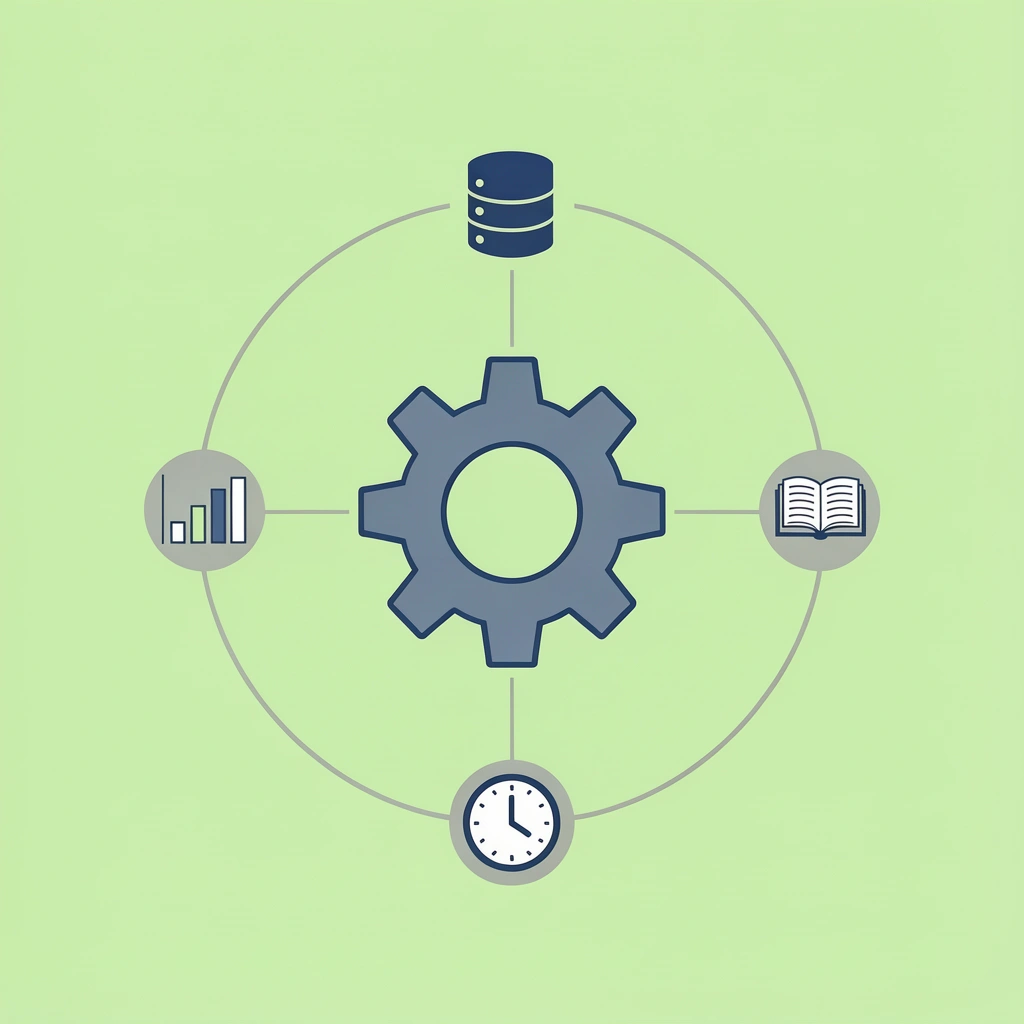
💡 Tip: The core curriculum typically covers four major areas that build upon each other throughout your academic journey:

What skills do you develop beyond basic math?
You'll spend less time doing math and more time learning to organize information into groups, follow rules, and explain financial concepts to people unfamiliar with debits and credits.
How do accounting concepts connect in real practice?
You learn how money moves through organisations, how financial statements connect to each other, and how regulatory standards shape what gets reported. That foundation matters whether you audit Fortune 500 companies, advise small businesses on tax strategy, or analyse investment opportunities for a hedge fund.
What are the core mechanics you'll learn in financial accounting?
You learn how double-entry bookkeeping works, how to prepare balance sheets and income statements, and why certain transactions appear in specific places. The work feels technical at first because you're memorizing rules: how to record depreciation, when revenue gets recognised, what qualifies as an asset versus an expense.
How do financial statements reveal company health?
Financial statements tell a story about a company's health, but only if you know how to read them. You'll analyse why cash flow statements matter more than income statements when assessing whether a company has sufficient cash on hand, or how balance sheet ratios signal financial problems before public struggles emerge.
Why do standardized accounting principles matter?
Courses introduce Generally Accepted Accounting Principles (GAAP), the standardized rules governing financial reporting in the United States. Public companies must follow them, and auditors verify compliance. You'll learn why consistency matters, how standardized rules enable meaningful company comparisons, and what happens when organizations alter reporting to conceal problems.
What does managerial accounting focus on for internal decisions?
While financial accounting addresses external stakeholders like investors and regulators, managerial accounting serves internal decision-makers. It teaches cost analysis, budgeting, performance measurement, and forecasting, shifting the question from "What happened financially?" to "What should we do next based on these numbers?"
How do you apply managerial accounting in real business scenarios?
You'll learn to calculate break-even points, evaluate outsourcing decisions, and identify which product lines generate the most profit. The work involves scenario modelling: if you raise prices by 10%, how does that affect demand and revenue? If you cut this department, where do those costs go?
Where can managerial accounting skills lead your career?
This area connects accounting to strategy. Controllers and CFOs use these methods to guide executives on resource allocation, pricing, and operational improvements. The skills transfer to consulting, corporate finance, and any role that requires financial evidence to justify decisions.
What do auditing courses teach about verification?
Auditing means checking financial records to ensure they are accurate and comply with regulations. You'll learn sampling techniques, how to check internal controls, and how to identify errors or fraud. The work requires scepticism: questioning whether reported numbers are accurate, finding where mistakes might be hidden, and testing whether a company's financial systems work reliably.
How does coursework prepare you for real auditing challenges?
Coursework covers audit planning, evidence gathering, and documentation. You'll analyse real cases where auditors missed fraud or failed to catch financial manipulation, learning what went wrong and how procedures could have prevented it. Auditors who sign off on inaccurate statements face legal liability, and their failures can destroy investor confidence.
Where else can you apply auditing skills?
This training extends beyond public accounting. Internal auditors assess organizational risk and improve processes. Forensic accountants investigate financial crimes. Compliance officers ensure companies follow regulations. All these roles apply auditing principles.
What do tax courses teach about liability frameworks?
Tax courses teach people and businesses how to calculate tax obligations under federal, state, and sometimes international rules. You'll learn about income tax rules, deductions, credits, and the distinction between tax avoidance (legal) and tax evasion (criminal). Tax codes change frequently and contain thousands of exceptions.
How do tax professionals develop strategic pattern recognition?
The real skill is pattern recognition. Experienced tax professionals spot opportunities to lower taxes by structuring transactions strategically: should a business expense for equipment be depreciated over years? Does forming an LLC versus an S-Corp reduce the overall tax burden? When does selling an asset trigger capital gains versus ordinary income treatment?
Why is continuing education essential for tax professionals?
According to the Kogod School of Business Career Blog, tax professionals must pursue continuous education to keep pace with evolving regulations. This ongoing learning appeals to those who enjoy solving puzzles within complex systems, though it may frustrate those preferring stable knowledge.
What legal and ethical responsibilities do accountants face?
Accounting courses cover contract law, corporate governance, securities regulations, and ethical responsibilities for handling sensitive financial information. You'll study cases where accountants faced criminal charges for enabling fraud and analyse the pressures that lead professionals to compromise standards.
How do ethics courses prepare you for real-world dilemmas?
Ethics instruction emphasizes that accountants often encounter situations in which legal and profitable actions diverge from what's right. You might discover a client underreporting income or face pressure from executives to manipulate earnings before a quarterly report. The profession's credibility depends on practitioners who refuse to participate in deception, even when it costs them clients or promotions.
What regulatory frameworks govern accounting practice?
This coursework introduces the regulatory environment: how the Securities and Exchange Commission (SEC) oversees public companies, what Sarbanes-Oxley requires for internal controls, and how auditor independence rules prevent conflicts of interest. These frameworks help you recognize when you're approaching ethical or legal boundaries.
How do technology and data analytics integrate into modern accounting programs?
Modern accounting programs include information systems, data analytics, and automation tools. You'll learn enterprise resource planning (ERP) software like SAP or Oracle, and how to extract insights using Excel, SQL, or specialized analytics platforms.
Bookkeeping and transaction recording have become largely automated. Accountants who can search databases, create dashboards, and spot unusual patterns in large datasets have an advantage over those who rely on manual methods. The profession now requires interpretation, exception handling, and strategic analysis.
What cybersecurity and systems knowledge do accounting majors need?
Courses cover cybersecurity basics and internal controls that prevent unauthorized transactions, since accountants often control access to financial systems. You'll learn to audit digital records in environments where financial and IT systems are integrated.
Students who think accounting is spreadsheets and calculators miss how much the major overlaps with data science. Our AI college counselor helps clarify whether your interests align with the requirements of modern accounting programs. Instead of generic descriptions, you get personalized insights about coursework difficulty, skill development, and how the major connects to specific career paths based on your academic strengths and working style.
What transferable skills do you develop beyond technical knowledge?
Beyond technical knowledge, the major develops transferable skills. Attention to detail becomes automatic, as small mistakes compound into larger problems. You learn to work under strict deadlines inherent to financial reporting and sharpen problem-solving skills by identifying discrepancies, reconciling conflicting data, and explaining complex transactions.
Why do communication skills matter more than students expect?
Communication matters more than most students realise. You'll write memos explaining audit findings, present financial results to non-accounting managers, and translate complex accounting topics into simple language. Your ability to make numbers intelligible to those unfamiliar with journal entries or accrual accounting will determine how far you advance in your career.
How does analytical thinking become your default mode?
Analytical thinking becomes your default mode. You'll constantly ask, "Does this number make sense?" What changed between periods? Why did this ratio move? That skepticism extends beyond accounting into how you evaluate business decisions, investment opportunities, and personal financial choices.
Related Reading
- College Majors
- Common App
- Early Action Vs Early Decision
- First Generation College Student
- Weighted Vs Unweighted Gpa
- What Should I Major In
- How Many Colleges Should I Apply To
- Passion Project Ideas
Career Paths and Job Stability for Accounting Graduates
An accounting degree opens doors across every industry because every organization needs someone to track money, report it, and ensure compliance. Career paths span public accounting firms, corporate leadership, government oversight, and specialized consulting. Job stability remains strong because financial management is essential, regulatory requirements persist regardless of economic conditions, and skills transfer across multiple sectors.
🎯 Key Point: Accounting skills are recession-proof because financial oversight and compliance requirements exist in every economic climate, making this one of the most stable career choices available.
"Financial management and regulatory compliance remain essential regardless of economic conditions, providing accounting professionals with unmatched job security across all industries." — Industry Analysis, 2024
💡 Career Tip: The versatility of accounting skills lets you pivot between industries (healthcare, technology, manufacturing) without starting over, giving you maximum career flexibility and long-term security.

Why do most graduates start in public accounting?
Most graduates start in public accounting because firms hire on a regular schedule and provide intensive training. You'll work with multiple clients across different industries, which accelerates your learning. A first-year associate might audit a hospital's financial statements one month and review a manufacturer's tax compliance the next, teaching you how various businesses operate financially, what risks they face, and how accounting standards apply in different situations.
How does the intensive schedule accelerate learning?
Tax season (January through April) and audit busy season (typically year-end) stretch to 60 or 70 hours per week. That intensity compresses years of learning into months. You'll encounter more financial scenarios in two years of public accounting than in five years at a single company.
What career opportunities does public accounting create?
Many professionals use public accounting as a starting point. After three to five years, they move into corporate roles offering better work-life balance and often higher pay. The experience demonstrates to employers that you've handled complex transactions, worked under pressure, and understand how external auditors think.
What makes corporate accounting roles appealing to new graduates?
Private companies hire accountants to manage finances, prepare reports for leadership, and ensure compliance with tax and regulatory requirements. Common positions include staff accountant, financial analyst, accounting manager, controller, and chief financial officer.
At a small business, you might handle everything from payroll to financial statements. At a Fortune 500 company, you'll focus on specific areas such as revenue recognition, consolidations, or treasury management.
How does work-life balance compare between corporate and public accounting?
These jobs offer more regular schedules than public accounting. Month-end closes create predictable busy periods, but you rarely work weekends except during quarter-end or year-end.
The trade-off is that you get less variety: you'll become an expert in your company's specific processes and industry, but you won't see the many different types of work that public accounting provides.
What career advancement opportunities exist beyond traditional accounting?
Corporate roles also open the door to broader finance functions. Financial analysts use accounting data to forecast performance, evaluate investments, and guide strategic decisions, appealing to those who want to influence business direction rather than record transactions.
What types of government positions hire accountants?
Federal agencies like the IRS, Government Accountability Office, and FBI hire accountants to enforce tax laws, audit public spending, and investigate financial crimes. State and local governments employ accountants to manage budgets, oversee pension funds, and ensure grants comply with regulations. Nonprofits rely on accountants to track donations, manage restricted funds, and meet donor and regulatory reporting requirements.
What benefits do public sector accounting jobs offer?
Public sector positions typically offer strong benefits, pension plans, and job security that private sector roles cannot match. Government accountants rarely face layoffs during economic downturns because public services continue regardless of market conditions.
How does mission-driven work impact job satisfaction?
The mission aspect appeals to those seeking work that serves a larger purpose. Auditing how taxpayer dollars are spent or ensuring a nonprofit's resources reach their intended beneficiaries creates different satisfaction than maximizing corporate profits.
What does forensic accounting involve?
Forensic accountants investigate fraud, embezzlement, money laundering, and financial disputes for consulting firms, law enforcement agencies, insurance companies, and corporations. They trace transactions through complex financial systems, identify patterns suggesting misconduct, and present findings in legal proceedings.
Why is demand growing for forensic accountants?
Demand grows as financial crimes become more sophisticated. According to The CPA Journal, 95% of accounting graduates are employed within six months of graduation. Cybersecurity breaches, cryptocurrency fraud, and international money laundering create an ongoing need for professionals who can follow digital money trails.
What skills make someone successful in forensic accounting?
This work appeals to problem-solvers comfortable with difficult situations. You'll testify in court, explain complex financial schemes to juries, and handle tough questions from defence attorneys, making the work intellectually engaging for those who can handle the pressure.
What makes advisory and consulting roles appealing for accountants?
Some accountants specialise in mergers and acquisitions, risk management, process improvement, or financial restructuring. These roles exist in consulting firms, accounting firms' advisory divisions, and as independent consultants. The work combines accounting knowledge with business strategy, requiring strong communication skills and the ability to explain financial concepts to non-financial executives.
The appeal is variety and intellectual challenge. Instead of processing the same transactions repeatedly, you solve unique problems for different clients. This demands continuous learning as business models and regulations evolve.
How do you build credibility for high-paying advisory work?
Advisory work can be lucrative, but you typically need experience first. Clients pay premium rates for consultants who have worked at multiple companies and can apply lessons across different situations. You'll need to build trust by spending years in public accounting or corporate finance before moving into pure advisory roles.
What career opportunities does the CPA credential unlock?
Becoming a Certified Public Accountant expands your career options and earning potential. Many senior roles in audit, tax, and corporate finance require or prefer this credential. The exam tests your knowledge across financial accounting, auditing, regulation, and business concepts, with pass rates around 50% for each section.
Accounting.com estimates the average CPA salary at $99,000, with top earners exceeding $150,000 depending on location and industry. The credential demonstrates expertise and opens doors to partnership tracks in public accounting firms, CFO positions, and specialized advisory work.
What are the ongoing requirements for maintaining CPA certification?
To keep your licence, you need to complete 40 hours of continuing professional education annually. This ensures you stay current with evolving standards and regulations.
Students often underestimate the difficulty of the CPA requirement and the time commitment, particularly while working full-time. Tools like Kollegio's AI college counselor can help you understand the full career path, including licensing challenges, continuing education requirements, and how different specializations fit your work style. This personalized information helps you decide whether the profession's demands align with your strengths before investing 4 years in the major.
Why does accounting provide consistent employment opportunities?
Accounting is essential to modern economies. Businesses must track cash flow, file taxes, meet legal requirements, and report to investors regardless of economic conditions. This creates steady demand for accounting services even during downturns.
What do employment statistics reveal about accounting careers?
The U.S. Bureau of Labor Statistics projects that accountants and auditors will grow 5 percent from 2024 to 2034, faster than the average for all jobs. This growth will create roughly 124,200 job openings annually through expansion and retirements. The unemployment rate for accountants and auditors was 2.0 percent in 2025, indicating strong job security compared to many other professions. The median annual wage was $81,680 as of May 2024, with top earners making more than $140,000 depending on experience and specialization.
How does replacement demand strengthen job stability?
When experienced accountants retire, companies must hire new accountants to maintain operations. This replacement demand creates job stability. Simultaneously, accounting rules are growing more complex, and businesses are expanding globally. These factors combine to create steady job opportunities for accounting graduates.
Where can you work with an accounting degree?
Accounting jobs exist in every city because every region has businesses, nonprofits, and government agencies that need financial management. Unlike careers concentrated in specific areas, accounting skills are universally needed.
The profession spans diverse industries: healthcare organizations, technology companies, manufacturers, retailers, financial institutions, and entertainment companies, all of which employ accountants.
How does industry portability benefit accounting careers?
An accountant tired of auditing banks can move into healthcare finance or entertainment accounting using the same basic skills.
This ability to move around provides career strength. If one industry shrinks, you can switch to another without retraining, offering useful flexibility over a 40-year career as economic conditions and personal interests change.
But understanding job stability and career paths doesn't answer the question that ultimately drives most major decisions: what you'll earn and whether those numbers justify the effort.
I don't see a paragraph to edit in your message—only a URL. Please provide the actual text you'd like me to proofread and tighten, and I'll apply all the editing tasks you've outlined.
Related Reading
- Best College Majors
- Easiest College Majors
- Hardest College Majors
- College Majors List A–z
- Is Computer Science A Good Major
- Is Business Administration a Good Major
Salary Potential and Long-Term Earning Power
Accounting offers predictable entry-level pay ($55,000–$70,000 depending on location and employer size) with significant growth as you gain experience and credentials. The financial advantage accelerates five to ten years in, when professional certification, industry expertise, and leadership responsibilities increase your market value.

🎯 Key Point: The accounting profession rewards long-term commitment with substantial salary increases - your earning potential grows exponentially as you build specialized skills and advance into senior roles.
"Accounting professionals with 5-10 years of experience and professional certifications can see their salaries increase by 40-60% compared to entry-level positions." — Bureau of Labor Statistics Career Outlook
💡 Tip: Focus on obtaining CPA certification and developing industry-specific expertise early in your career to maximize your long-term earning power and open doors to executive-level positions.
What can new accounting graduates expect to earn in different sectors?
New graduates starting work in public accounting at regional or national firms can expect job offers in the mid-$60,000 range in most big cities. The Big Four firms (Deloitte, PwC, EY, KPMG) in major cities like New York or San Francisco typically pay new employees closer to $70,000, with cost-of-living adjustments included.
Entry-level corporate jobs (such as staff accountant or junior financial analyst roles) typically pay slightly less than public accounting but offer better work-life balance. Government positions start at lower salaries, often in the $50,000 to $55,000 range, but provide pension benefits and job security that private sector roles cannot match.
How do accounting salaries compare to those of other majors over time?
These numbers won't impress students comparing themselves to software engineers starting at $100,000 or investment bankers clearing six figures. But accounting salaries climb steadily rather than plateau after an initial spike, rewarding persistence and skill accumulation, with visible gains around year three or four.
How do earnings accelerate after passing the CPA exam?
Earnings grow significantly after passing the CPA exam and moving into senior roles. According to Federal Reserve Economic Data, professionals in their 30s and 40s earn substantially more than those in their 20s, demonstrating how experience and credentials affect compensation.
Senior accountants, audit managers, and tax supervisors with 5 to 7 years of experience typically earn $85,000 to $110,000. Controllers at mid-size companies earn $120,000 to $150,000. These increases reflect demonstrated skill in complex transactions, client management, or team leadership.
How does specialization create premium earning opportunities?
When accountants specialize in one area, they earn more money. Forensic accountants who investigate fraud, tax strategists who advise wealthy individuals, and technical accounting experts who handle mergers and acquisitions charge higher rates than generalists. These specialized areas require uncommon knowledge, limiting the supply of qualified professionals and supporting higher pay rates.
What compensation do executive accounting roles offer?
Chief financial officers, vice presidents of finance, and corporate controllers occupy the top tier of accounting positions. Their compensation includes base salary, performance-based bonuses, stock grants, and sometimes profit sharing.
CFOs at large public companies earn $200,000 to $500,000 or more, depending on company size and industry. At smaller private companies, finance leaders often earn $150,000, including bonuses. These roles require 15 to 20 years of growing responsibility, strong business skills beyond accounting knowledge, and often an MBA degree.
What skills do executive accounting positions require?
Reaching executive roles demands more than tenure. You'll need strategic thinking, communication skills to explain financial concepts to non-accounting executives, and the ability to guide business decisions rather than report results. Many accountants plateau at the senior manager or director level because they master technical work but struggle with the leadership and strategic elements that executive roles require.
How does location affect accounting salaries?
Where you live significantly affects your earning potential. A senior accountant earning $95,000 in Atlanta would need $130,000 in San Francisco to maintain equivalent buying power. Coastal cities and financial centres offer higher salaries, but increased housing costs and taxes offset much of that premium.
Which industries pay accountants the most?
The industry you work in significantly affects your earnings. Accountants in finance, insurance, and technology earn 10 to 20 percent more than those in nonprofit, education, or government roles. Energy, pharmaceuticals, and consulting also offer above-average pay, while retail, hospitality, and small business accounting tend to pay less.
Why do workplace factors matter for long-term earnings?
Where you work and who you work for shape lifetime earnings as much as your technical skills do. A controller at a venture-backed tech startup with equity upside faces different financial outcomes than a controller at a regional nonprofit, despite similar day-to-day responsibilities.
How does CPA certification impact salary at different career levels?
The CPA credential consistently correlates with higher compensation across all experience levels. Entry-level accountants with a CPA earn $5,000 to $10,000 more than peers without it. At mid-career, that gap widens to $15,000 to $25,000. Senior roles often require the credential as a prerequisite, making it less about a salary premium and more about access to opportunities.
What ongoing requirements come with CPA certification?
To keep your licence, you need to complete 40 hours of continuing professional education annually and follow ethical standards. This ongoing work maintains your knowledge, demonstrates commitment to professional standards, and protects your earning power by qualifying you for higher-paying roles.
Can accountants succeed without a CPA license?
Some accountants skip the CPA and build successful careers in corporate finance or management accounting, where the credential matters less. However, they typically hit pay limits earlier and face fewer options when seeking new roles. The credential works as career insurance, keeping doors open that would otherwise close.
Busy Seasons Extract Real Costs That Salary Figures Don't Capture
Public accounting's January through April tax season and year-end audit periods routinely require 60 to 70-hour workweeks. A $70,000 salary spread across 50-hour weeks yields a different hourly equivalent than across 40-hour weeks.
How do corporate accounting roles compare to public accounting demands?
Jobs in corporate accounting are busy during month-end, quarter-end, and year-end. However, these periods are less extreme than in public accounting. A corporate accountant earning $10,000 less annually but working consistent 45-hour weeks may earn more overall than a public accountant working long hours during busy seasons.
Why do many accountants leave public accounting after a few years?
The profession doesn't make this trade-off clear to newcomers. By year three or four, many accountants leave public accounting to reclaim personal time, even if it means slower salary growth.
The common approach is to choose an accounting career based on salary surveys and job growth projections, without considering whether the work-life demands align with your priorities. Our AI college counselor clarifies these trade-offs before you commit to the major, offering personalized insights about how different accounting paths align with your working style preferences, tolerance for seasonal intensity, and long-term financial goals.
How does accounting compare to similar career paths?
Financial analysts, management consultants, and corporate finance professionals often share similar educational backgrounds but follow different career paths. Consultants at top firms can earn more than accountants early on but face up-or-out promotion systems that force exits for those who don't make partner.
Financial analysts in investment banking earn more initially but work longer hours than public accountants during busy periods. Accounting offers a middle path with solid starting pay, predictable advancement, and less extreme lifestyle demands than banking or consulting.
The career builds wealth gradually through consistent income growth rather than explosive early earnings.
Which students should consider other majors instead?
Students seeking immediate high earnings might find better options in tech sales, software engineering, or investment banking. Those prioritising job security, work-life balance, and steady advancement often find accounting's pay more sustainable over a long career.
But earning potential matters only if you can handle the actual work.
Who Accounting Is Best (and Worst) For
Accounting rewards people who find satisfaction in precision, structure, and solving problems within defined frameworks. If you check your work twice, enjoy organizing complexity into clear categories, and feel comfortable applying consistent rules across varying situations, the profession aligns with how your mind operates. If you need constant novelty, resist procedural work, or find detailed analysis draining rather than engaging, accounting will feel like a source of friction.

🎯 Key Point: The most successful accountants are those who find energy in systematic work rather than feeling drained by it.
"Success in accounting isn't just about technical skills—it's about finding genuine satisfaction in the methodical nature of the work." — Career satisfaction research shows this alignment predicts long-term success.

⚠️ Warning: Many people enter accounting for job security or salary potential without considering whether the daily reality matches their natural work preferences—this often leads to burnout within the first 5 years.
The question is whether your daily reality matches what energizes you versus what depletes you over time.

What personality traits help accountants succeed?
Accounting does not allow for mistakes or guesses. A single switched digit in a financial statement can suggest millions of dollars more or less in revenue. A missed tax deduction costs clients real money. People who naturally verify details, feel uncomfortable submitting work without double-checking calculations, and notice when numbers don't add up are likely to succeed in this field.
How do successful accountants balance speed with accuracy?
You'll face tight deadlines, but rushing through reconciliations or skipping verification steps creates bigger problems than late submissions. Professionals who succeed here balance speed with thoroughness.
What types of students struggle in accounting programs?
Students who breeze through assignments trusting their first answer, find proofreading tedious, or prefer big-picture thinking over detailed analysis often struggle. The work demands sustained attention to specifics that many intelligent people find exhausting.
Comfort With Structure Feels Reassuring, Not Restrictive
Accounting operates within set frameworks: Generally Accepted Accounting Principles determine how transactions are recorded, tax codes specify deductible expenses, and audit procedures follow standardized methodologies. Those who value clarity and consistency find this structure appealing.
Creative thinkers who want to invent new approaches or need freedom in problem-solving feel limited by these boundaries. Accounting allows judgment within fixed parameters.
This explains why some highly capable students quit accounting despite strong grades. Technical skill doesn't equal psychological fit: you can master debits and credits while hating the repetitive nature of the work.
What makes accounting career progression so predictable?
Accounting offers a clear progression: staff accountant → senior accountant → accounting manager → controller → CFO. Public accounting includes associate, senior, manager, senior manager, and partner tracks. The CPA exam provides a credential that opens doors for advancement.
People who plan five or ten years ahead find this path comforting. You can map your career with reasonable confidence if you meet performance expectations and obtain the required credentials.
What are the downsides of structured career paths?
People who want to keep their options open or change careers based on new interests might feel stuck. The accounting profession values deep expertise in one area over broad knowledge across many. Switching from tax to audit requires learning substantial new technical information. Moving into a different field means starting over despite years of accounting experience.
How does tolerance for cyclical intensity determine career sustainability?
Tax season, audit busy periods, and quarterly closes create predictable workload surges. People who can sprint intensely for defined periods, knowing relief comes, often manage this rhythm successfully.
What happens when work-life balance conflicts with accounting cycles?
The pattern breaks people who need a consistent work-life balance or who struggle to recover from intense periods. If a three-month stretch of 60-hour weeks leaves you burned out for months afterward, the profession's cyclical nature won't suit you regardless of compensation.
Corporate accounting roles offer more consistency than public accounting, but month-end and year-end create compressed deadlines. The profession's structure revolves around reporting cycles that don't adjust for personal preferences.
What personality types struggle most in accounting careers?
Students seeking creative expression often find accounting unfulfilling. While accounting involves problem-solving, it operates within narrow boundaries: you apply established methods to ensure accuracy and compliance, rather than designing new systems or developing novel approaches.
Why do people who need variety struggle with accounting?
People who need variety in their daily tasks might struggle with accounting. Many responsibilities repeat monthly, quarterly, or annually. If repetitive work bores or frustrates you, accounting's structured routine will likely feel constraining.
How does the pressure for accuracy affect accounting professionals?
People who are uncomfortable with high-stakes accuracy experience constant stress. Small errors can escalate into significant problems: a missed accrual affects reported earnings, an incorrect tax filing triggers audits and penalties. The consequences of mistakes create pressure that some find motivating, and others find paralyzing.
Why do interpersonal skills matter more than stereotypes suggest?
The stereotype of accountants working silently in cubicles ignores the extent to which the role involves communication. You'll explain complex financial concepts to non-accounting executives, negotiate with auditors over technical interpretations, and present findings to boards of directors who need clear recommendations rather than technical jargon.
How do communication skills impact career advancement?
People who explain financial information clearly, remain patient with repetitive questions, and build trust through reliability, advance faster than those with superior technical skills but poor communication. Senior roles require people who influence decisions, not merely report numbers.
Can introverts succeed in accounting careers?
Introverts can succeed in accounting by developing strong communication skills. You needn't enjoy networking events, but you must explain your analysis clearly and defend your conclusions when challenged.
What happens when you choose accounting for the wrong reasons?
Choosing accounting solely because it seems safe can backfire when the work style doesn't match how you naturally work. A secure job that drains you daily creates a different kind of career risk. You'll underperform compared to people who genuinely enjoy the work, limiting your chances for advancement and creating resentment toward tasks that feel meaningless.
Why do students discover accounting isn't right for them too late?
Students often choose accounting as a major based on strong job statistics, then discover the daily work doesn't match their preferences. Generic major descriptions focus on results—salary and job security—without explaining what the work feels like or which personality traits lead to satisfaction.
Platforms like Kollegio's AI college counselor help clarify this fit before you commit to a major for 4 years. Instead of reading generic descriptions, you answer questions about how you prefer to work, what energises you, and what matters most in your career. The AI college counselor shows how those preferences align with accounting's actual demands, helping you avoid discovering after graduation that you've trained for work you won't enjoy.
Why Self-Assessment Matters More Than External Validation
Parents, guidance counselors, and peers will offer opinions about whether accounting suits you. Their advice reflects their own values and assumptions, not how your mind works. Someone who prioritises security may push accounting even if you need creative freedom. Someone who finds accounting boring might steer you away, though it could be a perfect fit for your strengths.
What questions reveal if accounting matches your personality?
The decision requires honest self-reflection. Can you stay focused on detailed work for hours without losing concentration? Do you feel satisfied catching errors others missed? Does knowing the correct procedure exists make you feel confident or constrained? Your answers predict career satisfaction more accurately than anyone else's judgment.
How does personality fit impact long-term career satisfaction?
Students who match accounting's demands experience steady career momentum and genuine confidence in their expertise. Those who don't spend years feeling trapped despite adequate pay and job security, experience persistent dissatisfaction with how they spend their working hours.
But knowing whether accounting fits your personality matters only if you can access the opportunities the major promises.
Related Reading
- How To Prepare For College
- Is Marketing A Good Major
- Is Finance A Good Major
- Is Business A Good Major
- Is Business Administration A Good Major
- Is Accounting A Good Major
How Kollegio Helps You Decide If Accounting Is Right for You
Choosing a major means finding a field that matches how you like to work. Kollegio helps you determine if accounting is right for you by examining your cognitive strengths, need for structure, and career goals before you invest four years preparing. Our platform provides the same expert advice that typically costs $10,000+ from private advisors, now free for everyone.
🎯 Key Point: Kollegio's assessment evaluates your natural work style, preference for structure, and long-term career vision to determine if accounting's detail-oriented, rule-based environment matches your strengths.

"Students who receive personalized major guidance are 65% more likely to complete their degree and report higher career satisfaction within five years of graduation." — National Student Success Institute, 2023
💡 Tip: Use Kollegio's free platform to access the same premium counseling insights that typically cost thousands of dollars, helping you make an informed decision about accounting before you commit to the major.

How does personalized analysis determine if accounting fits you?
General job descriptions tell you what accountants do, but not whether you'll enjoy that work. Kollegio analyzes your work preferences, what energizes you, and what frustrates you, then compares those patterns against what accounting demands.
You find out whether your attention to detail makes you happy doing reconciliation work, or if your need for variety will make monthly closes feel tedious.
What specific accounting programs match your career goals?
The system highlights program types matching your goals. Want CPA preparation with strong exam pass rates? It shows you those schools. Interested in forensic accounting or corporate finance tracks? It identifies programs with those specializations.
This prevents you from enrolling in an accounting program emphasizing audit work when you're interested in tax strategy or financial analysis.
Scholarship Matching That Reduces Financial Risk
Cost is an important factor for many students deciding whether to pursue accounting. Kollegio's scholarship finder helps you identify opportunities that match your background and intended major, including funding from accounting professional organizations, regional CPA societies, and schools with strong business programme endowments.
By connecting you to scholarships you can win, the system reduces the debt burden that traps some graduates in accounting careers they want to leave. Financial flexibility matters when deciding whether to stay in public accounting's demanding seasons or transition to corporate roles with lower intensity but potentially slower salary growth.
Application Strategy That Highlights Business Aptitude
Admissions essays for business programs require explaining why accounting fits your strengths and career plans. Kollegio guides you through connecting your experiences to the profession's demands: how your analytical mindset, comfort with quantitative work, or interest in financial systems positions you for success.
Accounting programs evaluate whether you understand your commitment. Vague statements about "wanting to work with numbers" signal insufficient research. Specific connections between your abilities and accounting's requirements demonstrate a genuine fit that admissions committees find compelling.
How does centralized planning prevent college application chaos?
College planning typically spreads across multiple websites, spreadsheets, and reminder systems. Kollegio consolidates school research, application tracking, scholarship deadlines, and essay development into one platform, letting you see upcoming tasks, progress, and gaps in your strategy without separate tools.
The platform works 24/7, letting you explore questions about program requirements, CPA licensing paths, or career trajectories as they arise. You're not waiting for scheduled counseling appointments to clarify decisions that affect your next four years.
Why is understanding major fit crucial before committing?
Students who choose accounting without understanding how the major's structure, licensing requirements, and daily work match their preferences often discover the mismatch too late. Platforms like Kollegio's AI college counselor help you evaluate that fit before committing, using personalized analysis rather than generic advice. The difference is knowing whether accounting's demands will energize or exhaust you before you're three years into a degree.
Use Kollegio's AI College Counselor for Free Today!
If you're deciding whether accounting fits your goals or choosing between majors, personalized guidance beats generic advice. Our Kollegio AI college counselor generates college matches with strong accounting programs, surfaces scholarships you're likely to win, and helps you plan applications with support equivalent to a $10,000 counselor—at no cost. Use Kollegio today to move from uncertainty to a clear, confident college plan.
🎯 Key Point: Kollegio's AI counselor provides personalized college matching and scholarship discovery specifically tailored to your accounting career goals and academic profile.
"Personalized guidance is equivalent to a $10,000 counselor experience, helping students move from uncertainty to confident college planning." — Kollegio AI Platform
💡 Pro Tip: Don't settle for generic college advice when specialized AI guidance can identify the best accounting programs and scholarship opportunities that match your specific profile and goals.
Author
Trailblazer Marketing