How to Choose the Right College for You
What Are Your Priorities?
Finding the right college means that it checks off every one of your priorities. Everyone goes to college to achieve their goals, whether finding a good job, partying hard, or finding new opportunities. Finding the right school that helps you succeed in your desired major is important. Knowing the campus and its culture is significant to your success in your academic career.
What Should You Know About Yourself Before You Start Searching?
Before you open a single college website, the most useful thing you can do is turn inward. Knowing what you value, how you learn best, and where you want to go in life gives every future search a filter, so you are evaluating schools against a real picture of yourself, not a vague sense of prestige or what your friends are doing.
Clarify Your Values and Non-Negotiables
Start by writing down the things that are genuinely non-negotiable for you, campus culture, proximity to family, religious affiliation, opportunities to pursue a specific passion outside the classroom, or anything else that would make you miserable if it were missing. Career counselors and college advisors alike frame this step as essential groundwork: identifying non-negotiables must come before any external research, because without it you risk building a list that looks impressive on paper but feels wrong once you arrive. Think of it less as a checklist and more as a personal filter you will apply to every school you encounter.
Understand How You Learn Best
Your learning style shapes which academic environments will work for you. Do you absorb material better through small discussion-based seminars or large lecture halls? Do you want to do research alongside professors from your first year, or would you rather focus on coursework? Understanding how you best absorb and apply information is a key dimension of self-assessment that informs which educational paths will be the best fit. A large research university and a small liberal arts college can both be excellent, but only one of them will match the way your brain works.
Anchor Your Search in Long-Term Goals
You do not need a five-year plan, but you do need a direction. Clarifying long-term life goals, financial, personal, and professional, before evaluating external options ensures your search stays anchored in self-awareness rather than external pressure. Kollegio's AI College Counselor uses thousands of data points about your academic profile, interests, and goals to surface schools that align with who you are, so you are not starting from scratch or guessing. Self-reflection and smart tooling work together to produce that kind of personalized match.
Can’t I Just Go There for the Flex?
Do not just go to school because it has prestige and looks nice on your resume. Sometimes if that school is not a good fit for you, things can go badly. Sometimes certain schools don’t have the majors you want, and it might be better to go to another school for it.
Impaction of classes is one of the most notorious issues in school. Countless students struggle even to get classes in their major. If you are in the wrong major, you may have the lowest priority and struggle to get into the classes you want. This might take even longer for you to graduate if your goal is to graduate in a short period of time. This might cost you a lot of money and time. So, you need to think wisely to choose what school best fits your needs.
Why Does Location Matter?
When choosing a college, you have to think about where it is. This is where you will find your future opportunities, network, internships, etc.
If you go to UCLA, most of the people you know in your network will be in Los Angeles (LA). So, you will find more opportunities there because you will get to know more people in that area. This doesn’t mean you cannot get a job in other places if you go to UCLA, but most of the people you are going to meet at your school will be your future co-workers or connections down the line.
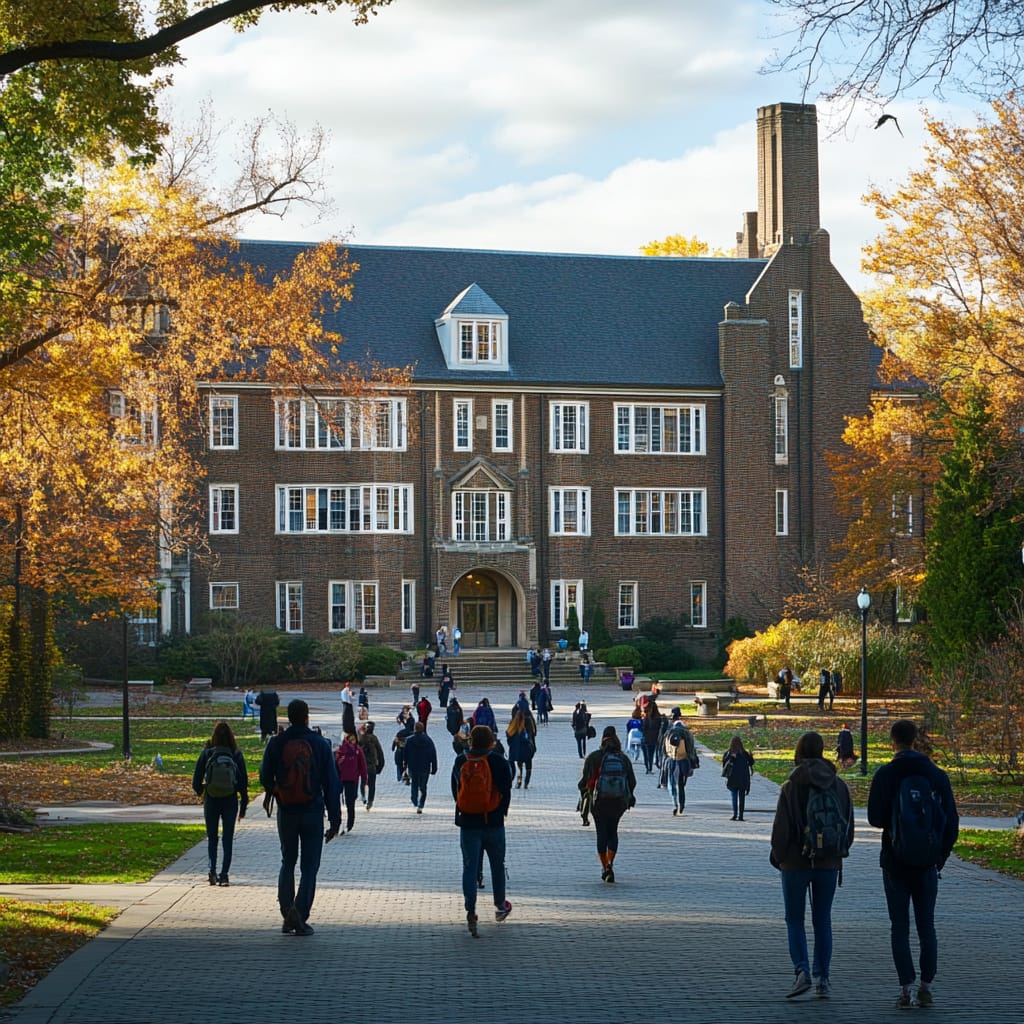
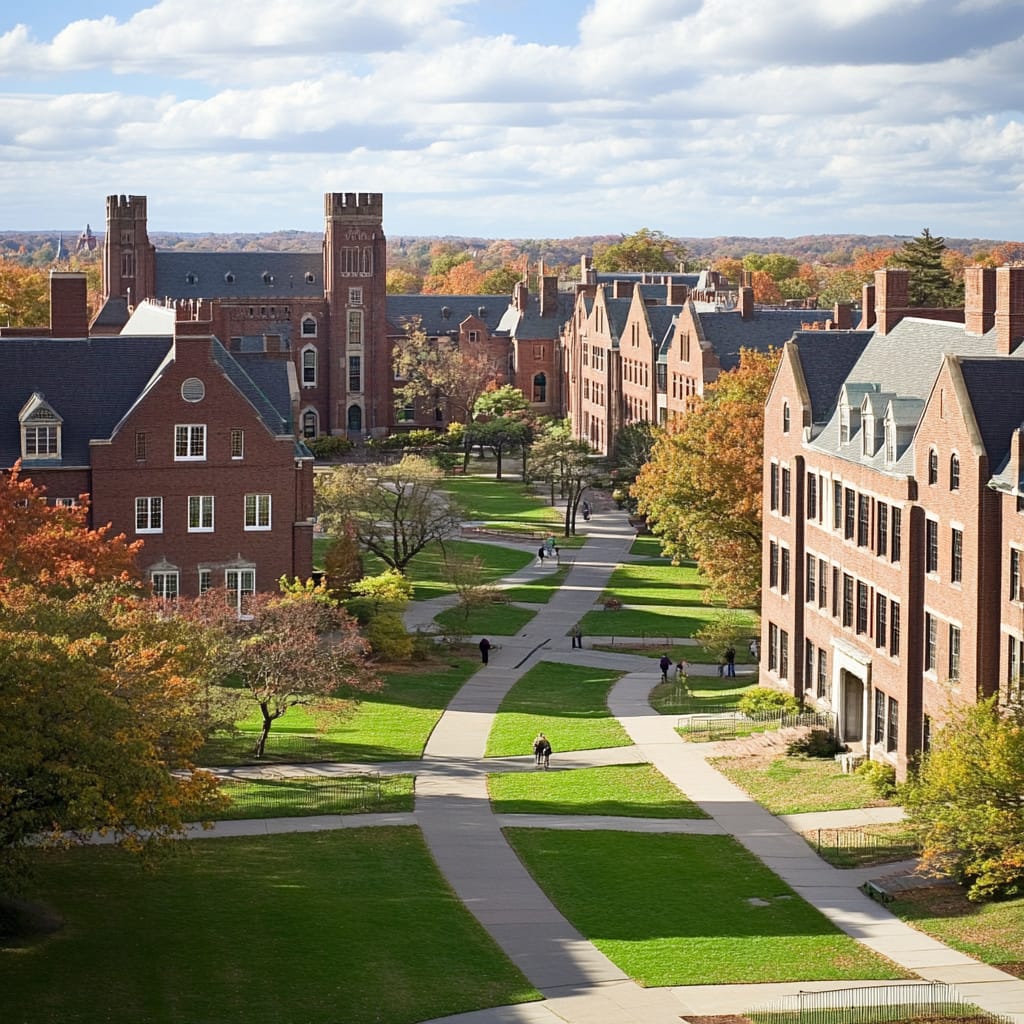
Some factors to consider when deciding are also the locations’ weather and climate. Think about whether you want to go to rural, suburban, or urban schools. More importantly, do you want to go far away or stay close to home while going to college?
All these factors are important in deciding what school is perfect for you. Everyone’s situation is different, so their choice of schools will be different, too.
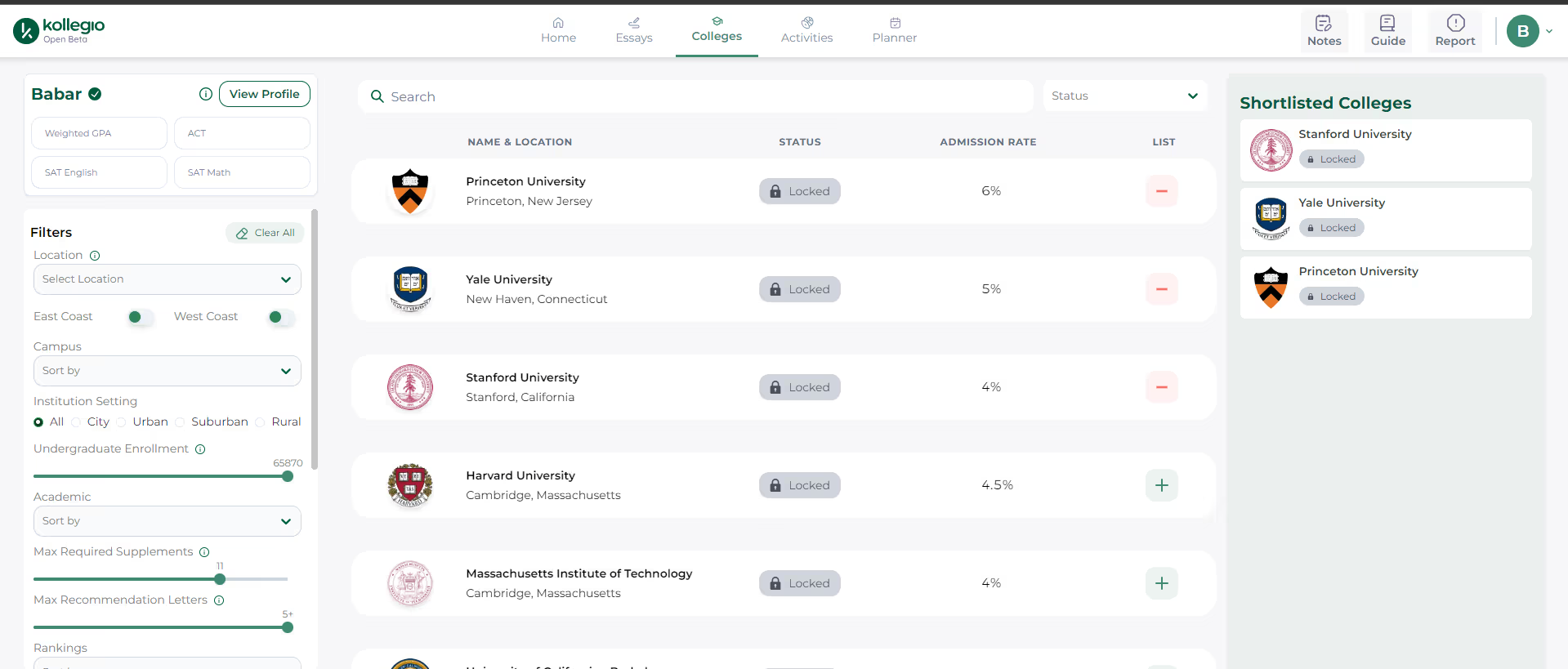
Using Kollegio’s college search feature, you can filter schools based on location, such as rural, suburban, and urban settings. This feature also gives personalized recommendations for colleges that fit your profile based on academic factors like GPA and standardized test scores, population size, attending cost, and more!
How Do You Build a College List That Actually Works?
Most students build their college list by collecting schools they have heard of or vaguely like the look of. That approach leaves you exposed. A structured list, organized into reach, match, and safety tiers, is the framework that college counselors and admissions professionals rely on to make sure you actually land somewhere you want to be, not just somewhere that will take you.
Understand the Three Tiers: Reach, Match, and Safety
A reach school is one where your academic profile falls at or below the lower end of the admitted class, you could get in, but the odds are not in your favor. A match school is one where your GPA, test scores, and profile sit comfortably within the middle 50 percent of admitted students. A safety school is one where you are confident you will be admitted and can see yourself genuinely thriving. A well-structured list balances all three: one framework from the r/ApplyingToCollege community describes a finalized list of five matches, one to two safeties, and two to three reaches as the practical target outcome of the list-building process.
Why the Balance Matters
According to the National Association for College Admission Counseling (NACAC), students who apply to a balanced list, including at least one likely or safety school, have materially higher enrollment rates than those who apply only to reach schools. And while applying to ten or more colleges correlates with higher enrollment odds, volume alone is not a substitute for structure. Sending fifteen applications to schools that are all reaches is a gamble, not a strategy. The goal is coverage across tiers, not raw application count.
Let Your Profile Drive the List, Not the Rankings
Rankings tell you what other people think of a school. Your list should reflect what a school thinks of you, and what you think of it. Kollegio's Personalized College Quiz and Recommendations tool uses thousands of data points to find schools that align with your academic profile and personal goals, then helps you evaluate them across the factors that actually matter to you. One student noted: "They have all been super useful with creating my list, they give good information on SAT and GPA requirements, deadlines, and more!" That kind of structured, data-driven starting point is exactly how a well-tiered list gets built.
How Do I Find the Right School?
Researching is key to finding the right college for you. Looking at colleges’ stats, including their rankings and resources, will help you find the school for your desired major. Going to their virtual tours or fly-in programs is also extremely valuable because you get to see the campus for yourself. Going to the campus yourself will give you a better feel for whether the school is right for you.
Additionally, there are tons of information sessions that students can go to for their majors as well. They are usually posted on the college’s websites, where students can contact their offices if they have any questions. There are tons of fly-in programs that students can apply to on a rolling basis.
Lastly, connecting to students who go there is also a smart way to learn more about their experiences. Forming that supportive network will help you in the long run as well. Taking advantage of mentorship programs, talking to teachers and advisors, and reading forums to learn more about schools can all be helpful to your college research process.
Fly-in Programs
Fly-in programs are one of the best things you can do while researching colleges. There are tons of fly-in programs that are listed online. One of them is by CollegeVine.
This gives a whole list of different colleges students can apply to. Some schools offer stipends and fly you out themselves. Make sure to apply as early as possible since it can get extremely competitive.
Evaluating Academic Fit
Sometimes you have to be realistic with yourself and ask if you can handle the workload and pressure from certain schools. This is especially true for Ivy League schools, where students are pressured to overwork themselves.
This can lead to mental and physical health issues caused by stress and pressure–resulting in anxiety, depression, mental fog, etc. These issues will affect you in the long run and lead to burnout, which can be detrimental to your academic career. This is why it is important, to be honest and assess your GPA and scores to see if you can handle the workload certain schools give.
Class Sizes
Most of the time, schools are extremely big and have countless students. This means there will be larger classrooms filled with 200 to 300 students for one class. This means that there is less help and guidance when you are trying to learn certain subjects.
Some students prefer a more personalized way of learning, like in community and state colleges, where most class sizes are approximately 20 to 30 students. This creates a more supportive environment for students to learn in, as opposed to other schools like the UC schools, which are more research-based schools. This means that professors are mainly focused on research, and students have to rely on themselves or TAs to help them through the class.
This is an important factor to note because college is all about relying on yourself. Although everyone’s goals and learning styles are different, students decide if certain schools will benefit their learning.
Financial Aid
It is no surprise that college is expensive. It is even more expensive, considering high inflation rates and barely any forgiveness for student loans.
That is why students need to think clearly about their academic journey and see whether taking out a large loan is worth it for a degree that will help them in the long run.
Students have to think that their degree is a sort of investment for their future in the long run–whether it will help students land their dream jobs, have better alumni connections, and have high graduation rates. These things vary from school to school.
Not only that but understanding the impact of tuition and housing fees on your financial state is important as well. Researching scholarships, financial aid options, and various grants like the Pell Grant is detrimental to the success of your college career.
Extracurricular activities
In some schools, you can only get a social life if you join certain clubs or fraternities. These schools might be “commuter schools,” where it is harder to make friends because everyone leaves and goes to their respective homes. It is up to students to join clubs that will benefit them or even dorm to make more friends.
The quality of clubs and organizations matters as well because these experiences can help a long way when applying for internships and jobs. Some schools require you to pay for club fees, so choosing the right school with high-quality extracurricular activities is extremely important in your academic career.
Additionally, finding out if your school offers study abroad programs is a great option to have when you are in college. Traveling when you can is a privilege that young students should take advantage of, and it can be a great addition to your resume as well.
How Does Career Support and Alumni Network Factor Into Your Decision?
The college you attend shapes the next four years and the decade after. Career services infrastructure and alumni networks are concrete, evaluable assets that most students overlook during the college search, often because no one tells them to look. They should.
What an Alumni Network Actually Does for You
A strong alumni network provides access to job referrals, internship opportunities, and mentorship from graduates who have already navigated the career path you are considering. Alumni networks function as informal career services pipelines, with graduates often preferring to hire or refer candidates from their own alma mater, giving students at well-networked schools a measurable hiring advantage that extends well beyond graduation. It is the professional infrastructure you inherit the moment you enroll, and it compounds over time.
What to Actually Research When Evaluating Career Support
When you are evaluating a school's career support, go beyond the glossy career center page. Look at the size, engagement level, and industry reach of the alumni network as a distinct factor separate from academic rankings or financial aid packages. Ask admissions representatives for internship placement rates in your field of interest, not just overall employment percentages. Look at whether the school has formal co-op programs, on-campus recruiting relationships, or alumni chapters active in the city or industry where you want to work.
How Fit Shapes Your Career Trajectory
Career support quality is only as useful as your ability to take advantage of it, which means fit still comes first. A school with a world-class alumni network in finance will not help you if the campus culture makes it impossible for you to thrive academically. Kollegio's AI College Counselor is designed to help students identify and apply to schools where they will actually enroll and succeed, matching profile and goals together so that the career infrastructure you find at a school is one you are positioned to use.
Kollegio’s Role
Kollegio is an AI counselor tool that can help students decide which school is best for them. Students have many options, such as researching schools’ information, comparing different schools, finding external scholarships, and even a counselor who answers all of the students’ questions 24/7! Due to Kollegio's user-friendly interface, students can easily use this tool to find out more about certain colleges.
Sign up to Kollegio today. PS: It’s 100% free.
Conclusion
Overall, finding the right college can be extremely hard, especially when you are young. It is reckless that life expects students to make big decisions like taking out loans to get a degree that might not help them in the future. That is why planning and researching in depth during their college process journey is vital to their future.
By Vivian Duong
Author
kollegio