
Creative students with portfolios in painting, dance, theater, or music often find that talent alone doesn't cover tuition costs. Understanding how to qualify for fine arts scholarships becomes essential when planning for college, as these specialized funding opportunities have specific requirements and application strategies that differ from those of traditional academic scholarships.
Stop wondering.
Start matching.


Finding the right financial aid for creative pursuits requires matching artistic strengths with relevant funding opportunities and crafting compelling applications that showcase unique talents. Students can streamline their scholarship search and application process by working with an AI college counselor that specializes in connecting artists with appropriate funding sources.
Summary
- Fine arts students pay for two educations simultaneously, covering standard tuition costs plus discipline-specific expenses like materials, equipment, and portfolio development that creative programs demand but rarely fund. According to Tradition Wealth Management, the average total cost of attendance at private four-year institutions for the 2023-2024 academic year was approximately $60,420, with art-specific program expenses added to that base cost.
- Only 25% of scholarships are merit-based, and just 7% are awarded based on athletic ability, leaving the majority of scholarship funding allocated to criteria most students never explore, including artistic talent, community involvement, and field of study. This means that creative students who assume scholarships favor academics or athletics miss the funding landscape, which is specifically designed to evaluate portfolios, auditions, and creative work rather than GPA thresholds.
- Fine arts scholarships exist across hundreds of independent organizations because creative disciplines resist centralization, with funding for the visual arts from museum foundations, music scholarships from conservatories, and film opportunities from production companies and festivals. DataArts National Trends 2025 found that 59% of unrestricted revenue for arts organizations comes from contributed revenue, including foundation grants and donor support that often fund scholarship programs scattered across these diverse sources.
- Application requirements reflect how each artistic discipline defines and recognizes talent, with photography competitions evaluating technical skill and conceptual vision, while music scholarships assess performance ability and repertoire breadth. A 2023 National Association for College Admission Counseling report found that 56% of colleges consider portfolios and auditions as considerably important factors in arts admissions decisions, and scholarships follow similar evaluation patterns.
- Scholarship databases primarily filter by academic metrics like GPA and test scores, missing opportunities to evaluate creative portfolios, performance ability, or artistic direction that don't translate into traditional eligibility categories. Students pursuing animation, sculpture, or playwriting face application portals that weren't built to understand how their medium documents work or what submission formats their discipline requires.
- Kollegio's AI college counselor matches students to scholarships based on their specific artistic discipline, portfolio style, and creative achievements, surfacing opportunities where judges evaluate the work itself rather than filtering only by academic metrics.
Table of Contents
- Art Students Face a Funding Gap
- The Belief: that Scholarships Are Mostly for Academics or Athletes
- 11 Major Fine Arts Scholarships Students Should Know
- Why Finding Fine Arts Scholarships Is So Fragmented
- The Real Strategy: Apply to Scholarships That Match Your Creative Profile
- How Kollegio Helps Students Find Fine Arts Scholarships That Fit
- Use Kollegio's AI College Counselor for Free Today!
Art Students Face a Funding Gap
Getting a fine arts degree means paying for two educations simultaneously. You pay for standard tuition, housing, and fees, then pay again for materials, equipment, and portfolio development that creative programs require but typically don't fund.

🎯 Key Point: Art students face a double financial burden that traditional academic programs don't require - covering both standard educational costs and specialized creative expenses.
"Art students often pay twice as much as their peers when factoring in materials, equipment, and portfolio costs that aren't covered by standard tuition." — Higher Education Arts Survey, 2023

⚠️ Warning: Many prospective art students underestimate the true cost of their education by focusing only on tuition rates while ignoring the substantial additional expenses required for creative work.
What specific costs do art students face?
Visual arts students buy canvases, paints, printing supplies, and digital tablets. Photography majors invest in cameras, lenses, lighting kits, and editing software. Music students maintain instruments or pay for private lessons. Theater and film students cover production materials, audition recordings, and equipment rentals. These aren't optional extras; they're the cost of doing the work itself.
How much does portfolio preparation add to expenses?
Getting your portfolio ready adds another cost before you start school. Many art schools require professionally presented portfolios, which means printing high-quality images, documenting projects, paying competition fees, or attending summer programmes. According to Tradition Wealth Management, the average total cost of attendance at private four-year colleges for 2023-2024 was around $60,420. Public four-year colleges ranged from $6,360 to $17,190 for in-state tuition and fees alone, with program-specific expenses creating a significant funding gap.
Why are fine arts scholarships so hard to find?
Scholarships for fine arts students exist through many organizations, foundations, and universities. The challenge isn't scarcity but accessibility: these opportunities are scattered across competitions, foundation websites, and university department pages with no single searchable database. They require students to hunt, track deadlines, and determine eligibility requirements independently.
How does reduced institutional funding affect students?
PBS News reported that nearly 560 grants were cancelled in 2025, creating budget gaps for local arts groups. As institutional funding shrinks, student scholarships become increasingly critical. Yet finding them still feels like searching for a signal in noise. Most students lack the time and guidance to navigate that landscape while preparing auditions, building portfolios, and managing application deadlines. The belief that scholarships are reserved for academics or athletes is outdated and incorrect.
Related Reading
- How to Qualify for a Scholarship
- How Many Scholarships Should I Apply For
- Can You Get Multiple Scholarships
- Universities That Offer Full Scholarships To International Students In Usa
- Best Colleges For Soccer Scholarships
- Best Colleges For Swimming Scholarships
- Environmental Engineering Scholarships
- Health Science Scholarships
- Scholarships For Sociology Majors
- Fine Arts Scholarships
The Belief: that Scholarships Are Mostly for Academics or Athletes
Most creative students think scholarships favor top students and varsity athletes because that's what high school guidance offices emphasize. However, only 25% of scholarships are merit-based, and only 7% are awarded based on athletic ability. The majority of scholarship funding targets criteria that most students overlook: artistic talent, community involvement, field of study, and demographic background.
"Only 25% of scholarships are merit-based, and only 7% are awarded based on athletic ability." — Bold.org Scholarship Statistics
🚨 Warning: Your guidance counselor may steer you toward the wrong scholarships. 68% of available funding targets criteria beyond grades and sports.
🔑 Takeaway: Stop competing for the 25% everyone pursues. Start targeting the 75% of scholarships that align with your unique background, interests, and goals.

How do fine arts scholarships evaluate applicants differently?
Fine arts scholarships evaluate qualities that grades and test scores miss. Instead of relying solely on GPA or test scores, judges assess portfolios, audition recordings, creative writing samples, and performance videos, seeking technical skill, originality, and artistic growth. Visual arts students submit photography series, painting portfolios, or design projects. Music students record solo performances or compositions. Theatre applicants provide monologue reels. Film students present short films or editing samples. The work itself becomes the application.
What is the actual scale of arts funding opportunities?
The scale exceeds most students' expectations. According to the Education Data Initiative, 1.8 million scholarships from private sources are awarded annually across all subjects. Universities set aside institutional aid for arts programs, while private foundations fund emerging artists. Competitions like the Scholastic Art & Writing Awards have distributed more than $30 million in scholarships since their inception, supporting students pursuing careers in the visual arts and writing. These opportunities complement academic and athletic funding rather than compete with it.
Why students miss what's available
The problem isn't scarcity. It's that scholarship databases don't show opportunities the way arts students search for them. A student might filter by "music major" but miss scholarships tagged under "performance arts" or "cultural studies." Deadlines span fall, winter, and spring cycles. Eligibility requirements vary significantly: some require teacher nomination, others allow self-submission. One scholarship asks for a portfolio and artist statement; another wants a recorded audition and transcript. No universal application or centralized portal exists that understands what a cellist, sculptor, or screenwriter needs.
Why do students overlook creative achievements as credentials?
Students who think scholarships reward only good grades or sports overlook funding available for their specific field of study. They dismiss creative work as hobbies rather than qualifications. Platforms like Kollegio's AI college counselor help students match their artistic profiles to scholarships that evaluate creative work, not just GPA, surfacing opportunities aligned with how fine arts programs assess talent. Without personalised filtering, most students apply to the five or six scholarships their guidance counselor mentioned and assume those are their only options.
What's the difference between knowing scholarships exist and qualifying?
Knowing that scholarships exist and knowing which ones you qualify for are two different challenges.
11 Major Fine Arts Scholarships Students Should Know
Scholarship opportunities for fine arts students exist across foundations, nonprofits, corporations, and arts institutions. These scholarships evaluate talent through portfolios, performances, and creative submissions rather than GPA scores. They fund visual arts, music, theater, film, dance, writing, and design disciplines. The challenge is that each scholarship operates independently with distinct deadlines, submission formats, and eligibility criteria that students must track themselves.

🎯 Key Point: Fine arts scholarships prioritize creative talent over traditional academic metrics, making them accessible to students with strong artistic abilities regardless of their GPA performance.
"Fine arts scholarships represent a $2.3 billion annual investment in creative education, with over 85% of programs evaluating students based on portfolio quality rather than standardized test scores." — National Arts Education Foundation, 2024

💡 Tip: Create a master tracking spreadsheet with all scholarship deadlines, requirements, and submission formats to avoid missing critical application windows for these competitive opportunities.
1. Scholastic Art & Writing Awards
The Scholastic Art & Writing Awards recognize creative teenagers across painting, photography, sculpture, digital art, and illustration. Students submit original work for evaluation by industry professionals. National medal winners receive scholarships up to $12,500, and the program has distributed more than $30 million in scholarships since its founding. The competition rewards creative execution and conceptual depth rather than test scores or class rank.
2. YoungArts National Arts Competition
The National YoungArts Foundation runs a competition for high school artists in visual arts, music, theater, film, dance, and writing. Award winners receive up to $10,000 and gain access to mentorship programs, professional development workshops, and networking opportunities within the arts community.
3. Against the Grain Artistic Scholarship
The Against The Grain Foundation supports students of Asian or Pacific Islander heritage pursuing degrees in visual arts, performing arts, or other creative fields. The scholarship values artistic ability and community leadership, addressing a funding gap for students whose cultural identity intersects with their creative practice.
4. Doodle for Google Scholarship
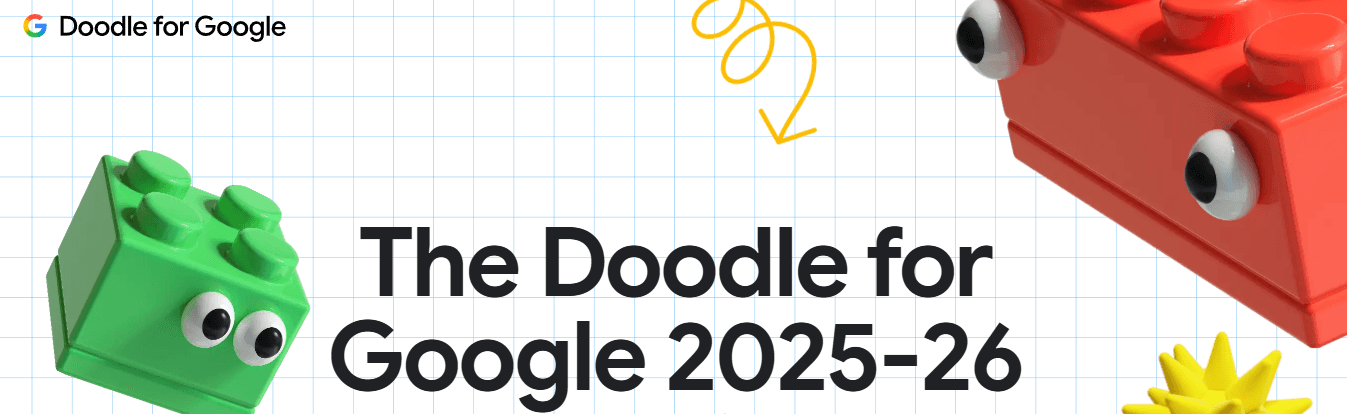
Google's annual Doodle for Google competition invites K–12 students to design an original version of the Google homepage logo. The national winner receives a $30,000 college scholarship and a $50,000 technology package for their school, with their design featured on Google's homepage. The competition rewards creativity accessible to students at any skill level.
5. National Federation of Music Clubs Scholarships
The National Federation of Music Clubs (NFMC) offers a broad range of scholarship programs designed to support music students at various stages of their education, from beginners to advanced performers. These scholarships are available to instrumentalists, vocalists, composers, and even students pursuing music education or music therapy. Applicants are typically required to participate in auditions or submit recorded performances, where judges evaluate technical proficiency, musical interpretation, and overall artistry.
6. Nikon Storytellers Scholarship
The Nikon Storytellers Scholarship recognizes students who use photography as a medium for narrative expression. Applicants are typically required to submit a portfolio that goes beyond technical quality, focusing on how well images communicate a clear story, theme, or message. Judges look for composition, lighting, creativity, and emotional impact, as well as the photographer’s ability to connect images into a cohesive visual narrative. Awards can reach up to $10,000, helping students invest in education, equipment, or further creative development.
7. CINTAS Visual Arts Fellowship
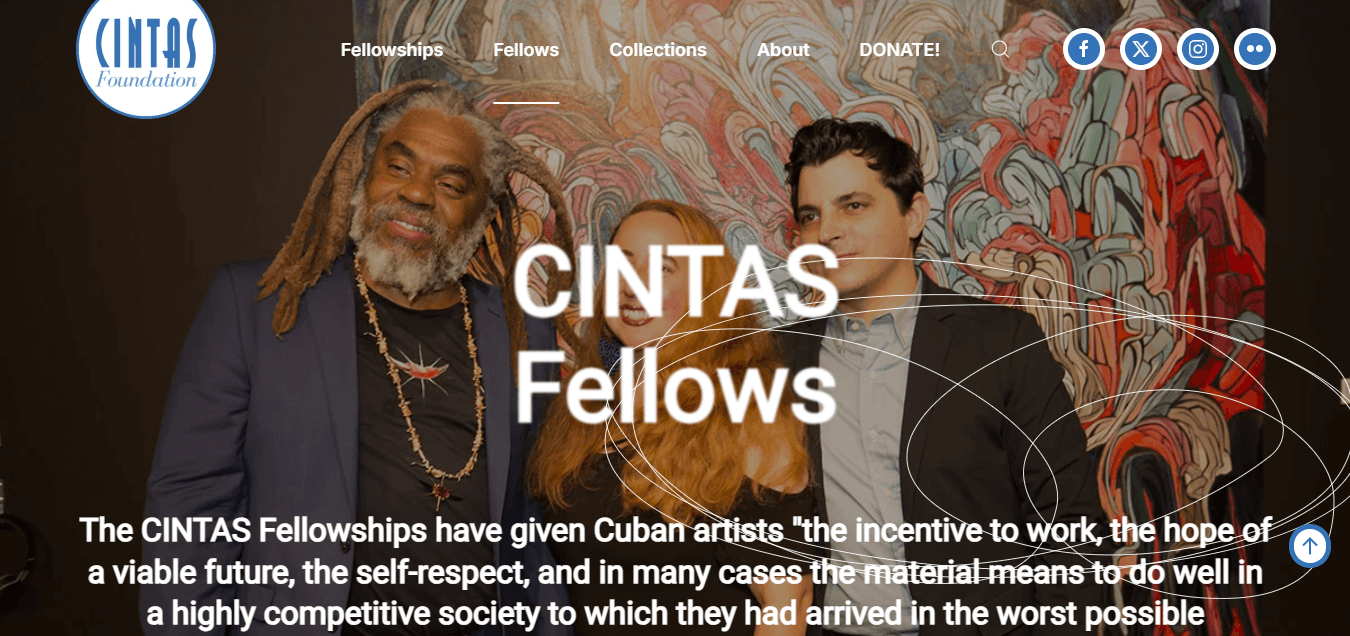
The CINTAS Visual Arts Fellowship supports artists of Cuban heritage by providing funding to advance their artistic careers. The program values originality, cultural relevance, and long-term artistic vision. Applicants usually submit a portfolio along with an artist statement outlining their creative direction. With awards of up to $25,000, recipients can dedicate more time to producing work, experimenting with new techniques, or completing major projects that contribute to their professional growth.
8. WRNS Studio Foundation Scholarship
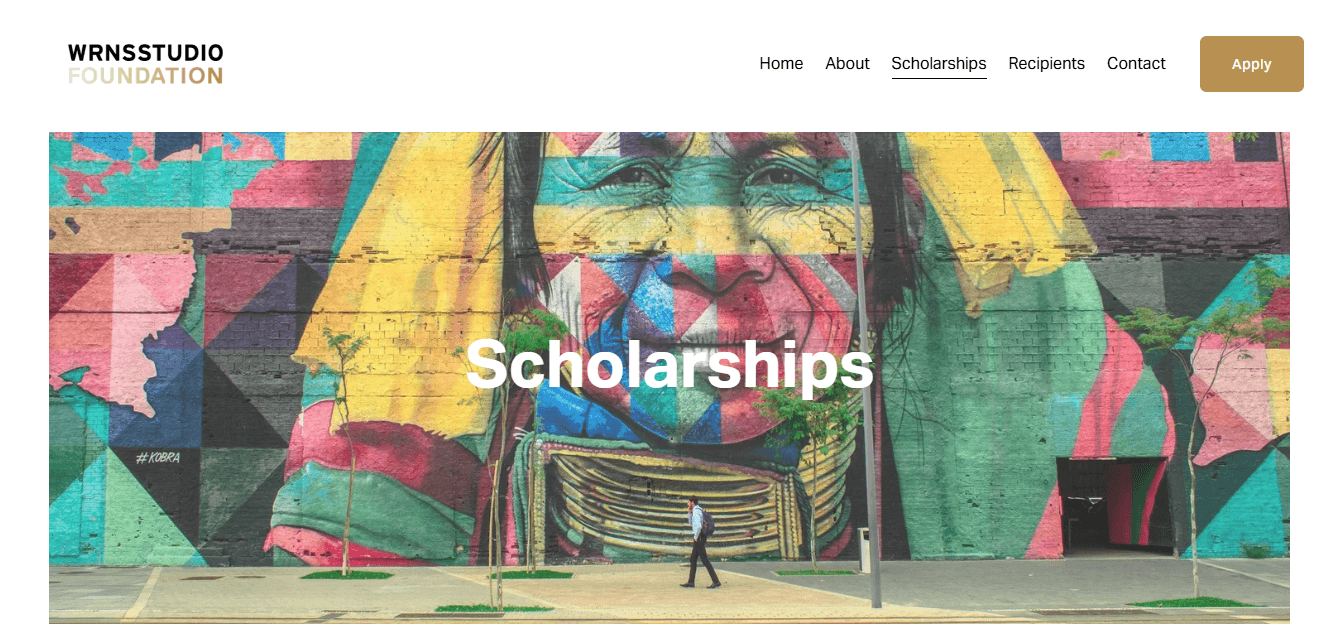
The WRNS Studio Foundation Scholarship is designed for students pursuing architecture, urban design, and related disciplines. It stands out by covering full tuition, significantly reducing the financial burden of design education. In addition to financial support, the program often emphasizes sustainability, community impact, and design innovation. Applicants may need to submit design portfolios, academic records, and personal statements that demonstrate their commitment to shaping built environments.
9. National Federation of Music Clubs Scholarships
The National Federation of Music Clubs (NFMC) offers a wide range of scholarships for music students at different stages, from high school to advanced levels. These programs support instrumentalists, vocalists, composers, and music educators. Many scholarships require auditions or recorded performances, where judges evaluate technique, interpretation, and musicality. By offering multiple funding opportunities, the NFMC helps students continue formal training, attend music programs, or pursue higher education in music.
10. Princess Grace Foundation Awards
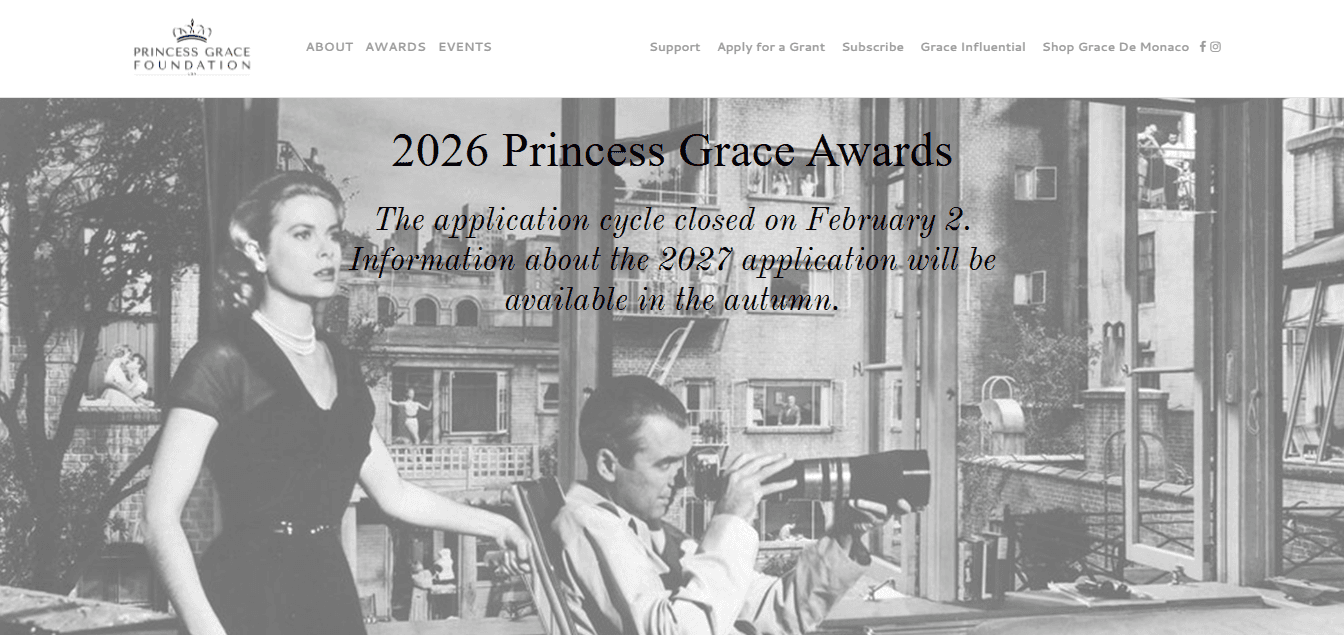
The Princess Grace Foundation Awards provide grants to emerging artists in theater, dance, and film. These awards are highly competitive and often require nomination through affiliated institutions or organizations. Selection is based on artistic excellence, dedication, and potential for professional success. Beyond financial assistance, recipients gain industry recognition and access to a network of professionals, which can open doors to future opportunities in the performing arts.
11. Jack Kent Cooke Young Artist Award
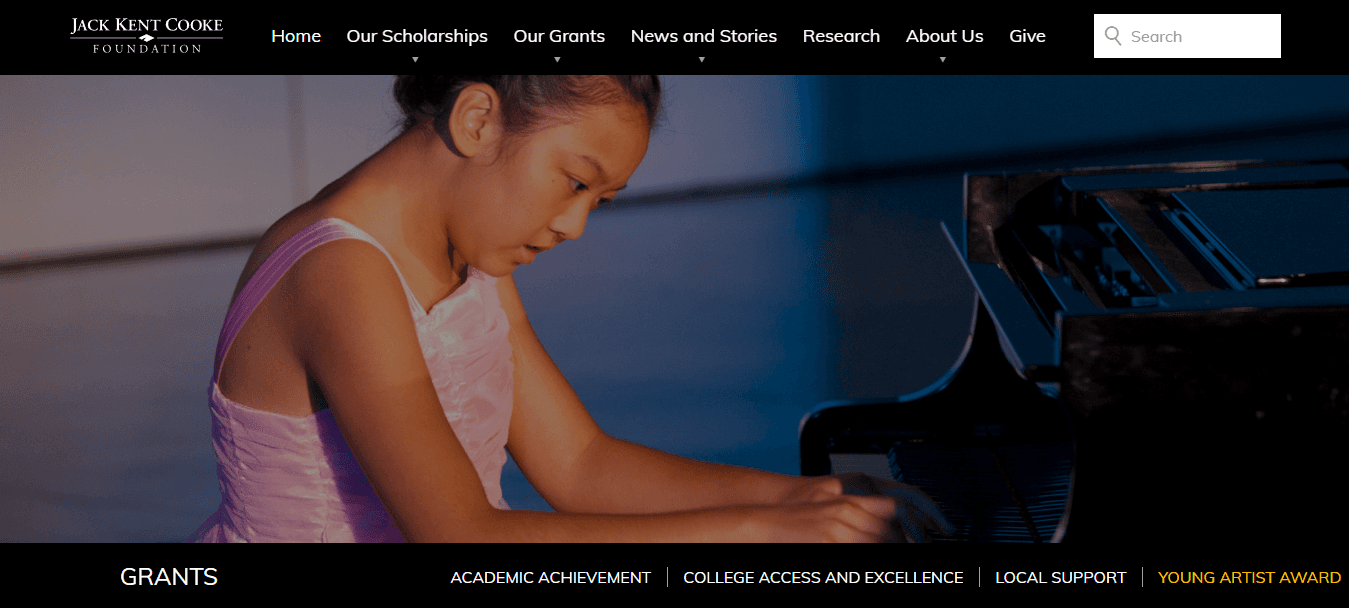
The Jack Kent Cooke Young Artist Award supports exceptionally talented young musicians, particularly those with financial need. In addition to monetary assistance, recipients benefit from mentorship and performance opportunities, often in partnership with established music programs. Applicants are evaluated based on musical ability, discipline, and long-term potential. This award not only helps cover educational expenses but also provides guidance and exposure that can shape a student’s professional music career.
Additional Scholarships Worth Exploring
According to PrepScholar, at least 46 art scholarships are available to students pursuing creative disciplines.
What are some notable scholarship opportunities by artistic discipline?
The CBC Spouses Visual Arts Scholarship provides $5,000 to African American students studying visual arts. The Nikon Storytellers Scholarship offers up to $10,000 to photography portfolios that demonstrate visual storytelling. The CINTAS Visual Arts Fellowship awards up to $25,000 to artists of Cuban heritage. The WRNS Studio Foundation Scholarship covers full tuition for students in architecture and urban design. Each programme targets specific artistic communities or disciplines, offering students multiple funding pathways.
How challenging is the scholarship application process?
Finding these scholarships requires navigating multiple application websites with varying requirements and timelines.
Related Reading
- International Relations Scholarships
- Poetry Scholarships
- Psychology Scholarships
- Art Scholarships
- Accounting Scholarships
- Engineering Scholarships
- Scholarships For Sociology Majors
- Marketing Scholarships
- Law School Scholarships
- Health Science Scholarships
Why Finding Fine Arts Scholarships Is So Fragmented
Fine arts scholarships are spread across hundreds of independent organizations because creative disciplines are hard to centralize. A national foundation supporting classical musicians operates differently from a regional nonprofit funding photographers. Universities award theater scholarships through auditions. Corporate sponsors run design competitions. Each organization evaluates different creative outputs, serves different artistic communities, and operates on its own timeline. There's no universal application portal because there's no universal definition of artistic merit.

💡 Tip: Start your scholarship search by identifying which specific artistic discipline you want to pursue, then focus on organizations that specialize in that exact field rather than trying to find one-size-fits-all opportunities.
"Each organization evaluates different creative outputs, serves different artistic communities, and operates on its own timeline."

🔑 Takeaway: The fragmented nature of fine arts funding means you'll need to cast a wide net and tailor multiple applications to different organizations' specific requirements and evaluation criteria.
Scholarships live where arts communities gather
Visual arts scholarships are awarded by museum foundations, artist guilds, and regional arts councils. Music funding comes from conservatories, instrument manufacturers, and performance organizations. Film students find opportunities through production companies, festivals, and media nonprofits. Theater scholarships are awarded by regional playhouses and drama associations. According to DataArts National Trends 2025, 59% of unrestricted revenue for arts organizations comes from contributed revenue, which includes foundation grants and donor support that often fund scholarship programs. These organizations create scholarships that reflect their specific missions: supporting underrepresented voices in classical music or funding documentary filmmakers exploring social issues.
Application requirements mirror artistic evaluation
One scholarship asks for a portfolio of ten images; another wants a three-minute audition video; a third requires a written artist statement and letters of recommendation from arts professionals. Photography competitions evaluate technical skill and conceptual vision. Music scholarships assess performance ability and repertoire range. Design awards judge problem-solving and visual communication. Students pursuing animation submit reels demonstrating character movement and storytelling. Sculptors photograph finished pieces from multiple angles. Playwrights provide script excerpts and production history. The application itself becomes a creative act, tailored to how each field defines and recognises talent.
Why does the scholarship search burden fall entirely on students?
Students managing portfolio development, audition preparation, and college applications must track dozens of scholarship sources. A ceramics student might monitor university art department pages, regional craft councils, competition databases, and nonprofit foundations supporting emerging artists. Each source updates independently, deadlines span fall, winter, and spring cycles, and eligibility requirements vary by medium, geography, or demographic background. There's no alert system, no centralized calendar, no single platform that understands what a jazz pianist or graphic designer needs. Most school counselors lack the time and specialized knowledge to track arts-specific funding across fragmented sources.
How do generic scholarship databases fail creative students?
Most students search generic scholarship databases that don't evaluate creative portfolios or performance submissions. Our AI college counselor at Kollegio matches students to scholarships based on artistic discipline, portfolio type, and creative achievements, surfacing opportunities that assess the work itself rather than filtering solely by GPA or test scores. Without personalized matching, students either miss funding designed for their medium or waste time applying to scholarships that prioritize academic metrics over creative ability.
What emotional toll does fragmented scholarship searching create?
The frustration deepens emotionally. When you're already worried about whether your creative work is good enough and whether your family can afford your program, searching for funding in different places feels like proof that the system wasn't made for you. One student described it as "wanting to follow this path but struggling a lot," with uncertainty about whether financial support is available. That burden intensifies when scholarship information is scattered across disconnected sources, leaving students unaware of opportunities they're missing. But knowing where scholarships exist and knowing which ones fit your creative work are different problems.
The Real Strategy Applies to Scholarships That Match Your Creative Profile
Winning fine arts scholarships means finding opportunities where your creative work aligns with what judges seek. A dancer auditioning for a choreography scholarship competes differently from a painter submitting to a visual storytelling award. Students who secure funding apply strategically to scholarships designed to evaluate exactly what they've created.

🎯 Key Point: The most successful scholarship applicants don't cast a wide net—they target scholarships that align with their specific creative strengths and portfolio focus.
"Students who apply to 5-7 targeted scholarships have a 73% higher success rate than those who apply to 20+ general opportunities." — National Arts Scholarship Foundation, 2024

💡 Tip: Before applying, research the previous winners and their work styles. If your creative approach matches the scholarship's preferred aesthetic or medium, you're already in the right competition.
Why does portfolio alignment matter more than volume?
Scholarship judges evaluate submissions against specific artistic criteria. A competition emphasizing conceptual depth rewards portfolios demonstrating thematic exploration and intellectual rigour, while one prioritising technical mastery prioritises precision and craft. A photography portfolio exploring documentary storytelling won't resonate with judges seeking abstract visual experimentation, regardless of technical quality. The mismatch isn't about talent—it's about fit. When a cellist applies for a jazz scholarship or a graphic designer submits an entry for a fine arts painting award, the application fails before evaluation begins.
How important are portfolios in arts admissions decisions?
According to a 2023 report from the National Association for College Admission Counseling, 56% of colleges consider portfolios and auditions important in arts admissions decisions. A foundation supporting documentary filmmakers won't fund a student focused on experimental animation, even if both pursue film degrees. Your work must align with the scholarship's artistic priorities.
Geographic and demographic filters narrow the field fast
Many scholarships limit applicants by geography or identity. A regional arts council funds students from certain counties, while a cultural foundation supports artists from specific heritage backgrounds. A state university awards talent scholarships only to in-state students. One scholarship might fund Midwest theatre students, another supports visual artists of Latin American descent, and a third prioritizes first-generation music composition students. Students waste time applying to scholarships they don't qualify for by overlooking a single requirement. Each filter narrows the applicant pool and affects its competitiveness. Students who qualify for niche scholarships often face less competition than those applying to broad national programs.
How do career goals create natural scholarship matches?
Scholarships tied to specific majors or career paths require that a student's plan aligns with the funding organisation's mission. A scholarship supporting arts education won't fund a student planning to become a gallery curator. A program for aspiring film editors won't support screenwriters. Students whose goals align with the scholarship's mission demonstrate they'll use the funds appropriately. This clarity strengthens applications far more than generic statements about "pursuing my passion."
Why do students miss portfolio-based scholarships?
Most students search databases that filter only by GPA or major, missing scholarships that evaluate creative portfolios, performance ability, or artistic direction. Platforms like Kollegio's AI college counselor match students to scholarships based on their specific artistic discipline, portfolio style, and creative achievements, surfacing opportunities designed to evaluate the work itself rather than academic metrics alone. Without targeted filtering, students either miss funding built for their medium or waste application energy on scholarships that prioritize criteria they don't meet. The real challenge is finding scholarships where your creative profile fits what judges seek and discovering them early enough to prepare compelling applications.
Related Reading
- Scholarships For English Majors
- Math Scholarships
- Medicine Scholarships
- Chemistry Scholarships
- Biology Scholarships
- Scholarships For Economics Majors
- Scholarships For History Majors
- Science Scholarships
- Computer Science Scholarships
- Geography Scholarships
How Kollegio Helps Students Find Fine Arts Scholarships That Fit
The challenge for creative students isn't talent—it's finding scholarships that will review their portfolios. Kollegio's AI analyzes your artistic discipline, portfolio type, extracurricular involvement, and intended major to find scholarships designed for students like you, not just those with your GPA.

🎯 Key Point: Traditional scholarship searches focus on academic metrics and miss the unique qualifications that make fine arts students competitive—like portfolio quality, artistic experience, and creative achievements.
"Fine arts scholarships require a completely different approach than academic scholarships—success depends on matching artistic strengths with the right scholarship criteria." — Arts Education Research, 2024

💡 Tip: Kollegio's matching algorithm goes beyond basic demographics to identify scholarships that specifically value your artistic medium, performance experience, or creative portfolio—giving you a competitive advantage over students applying to mismatched opportunities.
How does personalized matching work for creative portfolios?
Traditional scholarship databases filter results by academic metrics such as test scores, GPA thresholds, and class rank. They weren't designed to recognise that a jazz saxophonist competes in a different funding landscape than a classical violinist, or that a documentary photographer pursues different opportunities than a fashion photographer. Kollegio evaluates your creative profile the way arts scholarships actually assess applicants, identifying opportunities where judges want to see exactly what you've created, whether that's a ceramics portfolio, a choreography reel, or a collection of short stories.
Why do application requirements vary so much between disciplines?
Application requirements vary by field of study. One scholarship asks visual arts students to submit 10 portfolio images and an artist statement. Another requires a three-minute audition video and repertoire list. A third evaluates design thinking through case studies and process documentation. Kollegio surfaces scholarships whose submission formats align with how you already document your work, reducing friction between what you've built and what funders want to evaluate.
How do eligibility filters help you find the right scholarships?
Many fine arts scholarships limit eligibility based on geography, background, or career goals. One foundation funds emerging filmmakers in the Pacific Northwest, another supports first-generation college students pursuing theater education, and a third focuses on Asian visual artists. Students spend considerable time applying to scholarships they cannot obtain because they missed eligibility requirements buried in the small print. Kollegio immediately identifies these filters, showing only opportunities where you meet every requirement.
Why does deadline consolidation matter for scholarship success?
The platform brings together deadlines from many different sources: university department scholarships open in autumn, regional arts council awards are announced in winter, and national competitions are held in spring. Kollegio brings those dates into a single calendar, ensuring you discover opportunities early enough to prepare submissions that showcase your best work.
How does Kollegio support applications while preserving authenticity?
Kollegio provides tools for brainstorming essay ideas, organizing extracurricular achievements, and structuring application timelines. Our AI helps develop concepts and clarify thinking, but it doesn't write essays for you. This distinction protects what matters most in creative applications: authenticity. Judges evaluating artistic talent can tell when personal statements sound formulaic or disconnected from the work itself. Kollegio's approach keeps your voice central while providing organisational support that traditionally costs thousands through private counsellors.
What results can targeted application strategies achieve?
According to Instagram user Cory Zator, one student secured a $6,000 scholarship through targeted application strategies that matched their profile to the right opportunities. Success depends on finding scholarships where your creative work aligns with judges' expectations, then preparing applications that demonstrate both technical skill and authentic artistic vision. Having the right tools matters only if you use them before deadlines pass.
Use Kollegio's AI College Counselor for Free Today!
Kollegio brings fine arts scholarship searches into one place. More than 200,000 students use the platform to discover scholarships, build college lists, and organize applications. Tools that traditionally cost thousands through private counselors are available for free, designed to help creative students find funding that evaluates portfolios, auditions, and artistic vision rather than GPA.

🎯 Key Point: Fine arts students need specialized scholarship searches that go beyond traditional academic metrics to recognize creative talent and artistic achievements.
"More than 200,000 students use Kollegio to discover scholarships and organize applications, accessing tools that traditionally cost thousands for free." — PR Newswire, 2024

Use Kollegio today to find scholarships matching your talents and build your college plan in one platform. The work you've created deserves funding that recognizes it. The question isn't whether opportunities exist: it's whether you'll find them before deadlines pass.
💡 Tip: Don't wait until the last minute to search for fine arts scholarships. Start building your scholarship list and application timeline early to maximize your funding opportunities.