For students who feel most alive outside, hiking trails, leading expeditions, or studying ecosystems firsthand, outdoor education offers the perfect balance of learning and adventure. Whether your goal is to become a wilderness guide, park ranger, environmental educator, or sustainability expert, the right college can turn your passion for the outdoors into a lifelong career.
Stop wondering.
Start matching.


This guide highlights the best colleges for outdoor education, what makes their programs stand out, and how you can find scholarships to support your studies (with help from Kollegio.ai).
What Is Outdoor Education?
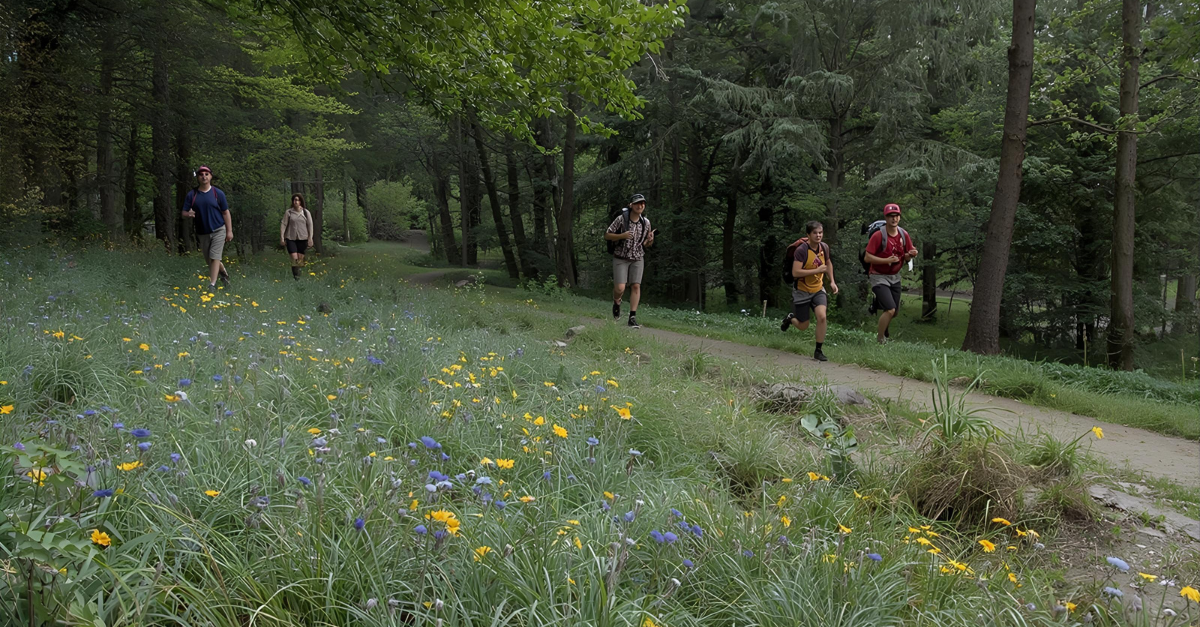
Outdoor education combines experiential learning with environmental studies, recreation, and leadership training. Students spend significant time outside the classroom — camping, kayaking, leading outdoor trips, or conducting ecological research.
Programs often include coursework in:
- Environmental science and sustainability
- Wilderness leadership and risk management
- Recreation and adventure therapy
- Education and curriculum design
- Conservation and resource management
Graduates go on to work in national parks, schools, nonprofit organizations, and outdoor adventure companies.
Top Colleges for Outdoor Education
1. Paul Smith’s College (New York)
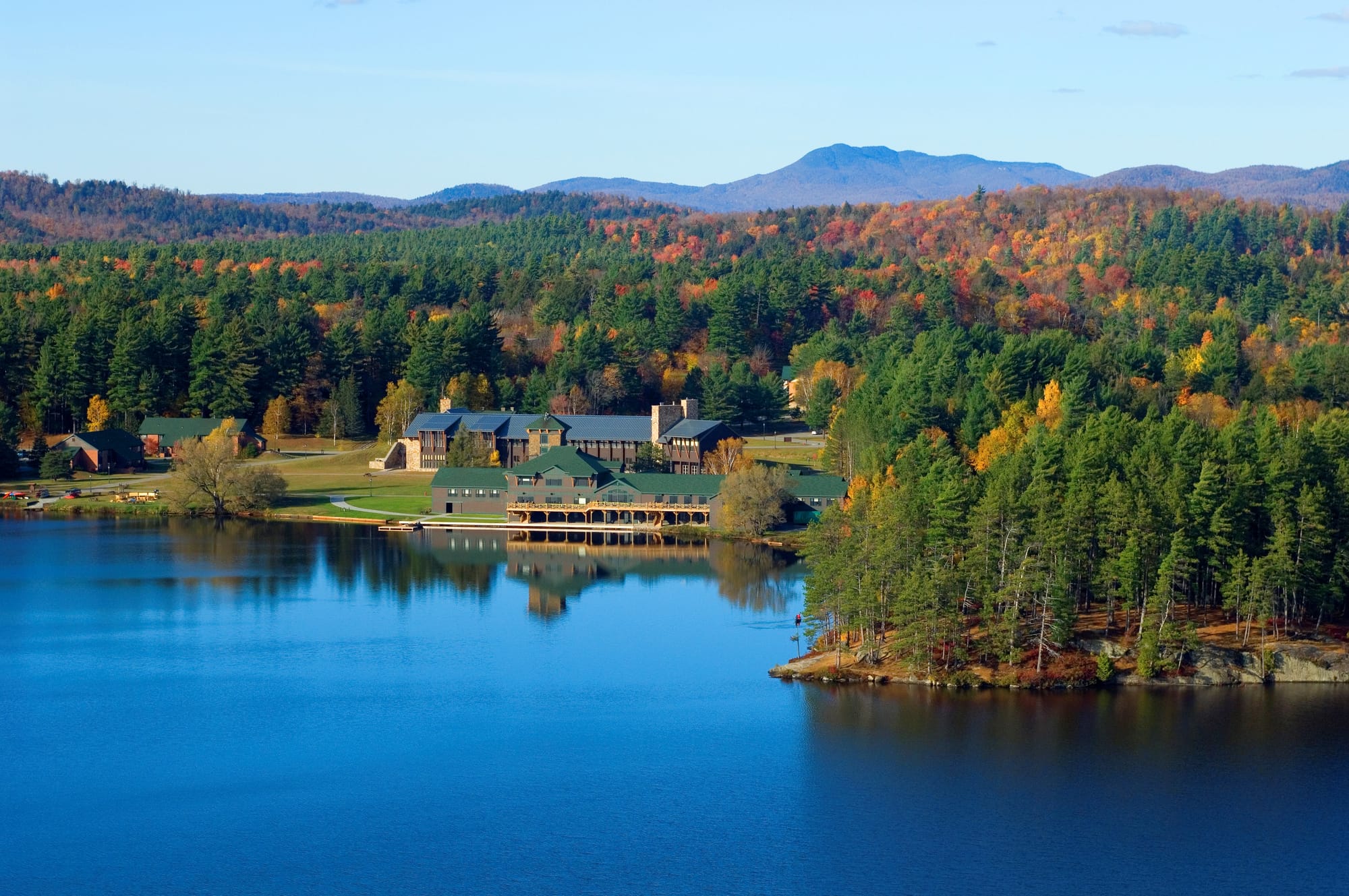
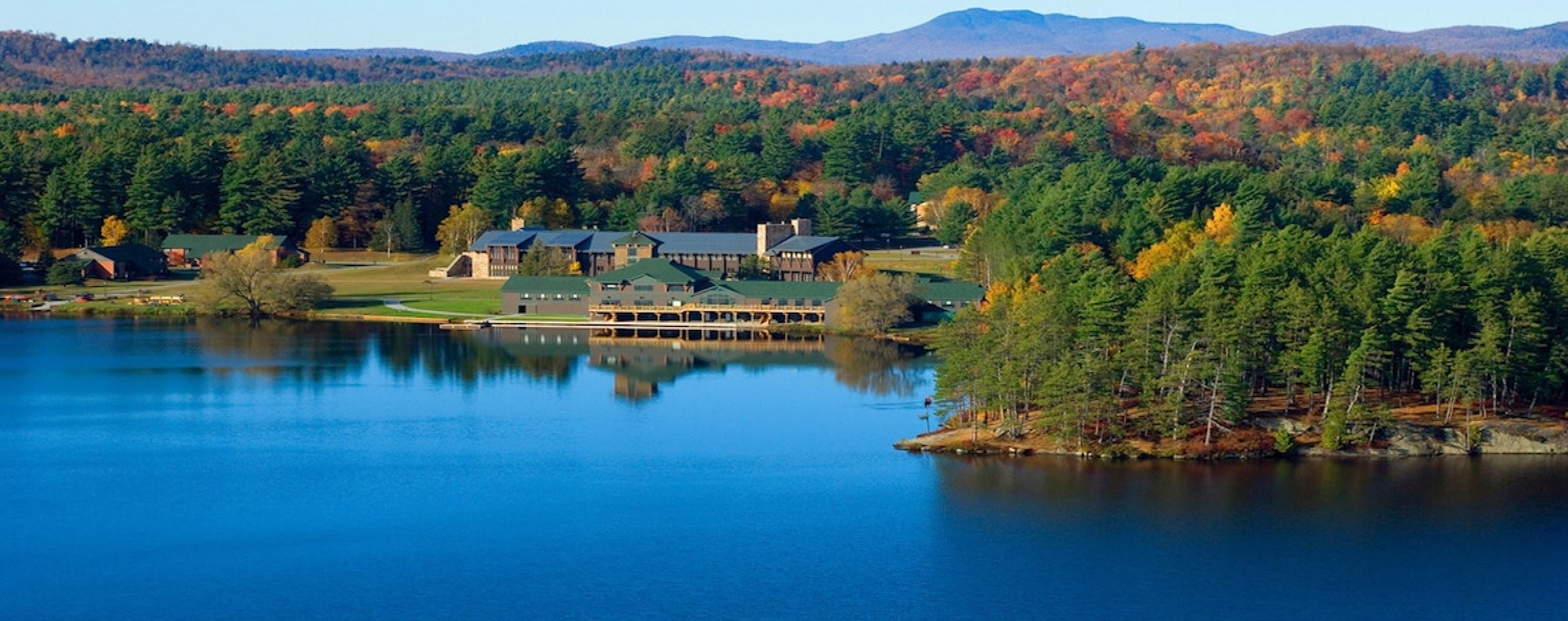
Located in the heart of the Adirondacks, Paul Smith’s is often ranked among the top schools for outdoor education and environmental science. Students have access to over 14,000 acres of campus forest and a lake right outside their dorms.
Why it stands out:
- Hands-on fieldwork built into nearly every course
- Degree options in Natural Resource Management, Recreation, and Environmental Education
- Student-run outing clubs and research centers focused on sustainability
2. Western Colorado University (Colorado)
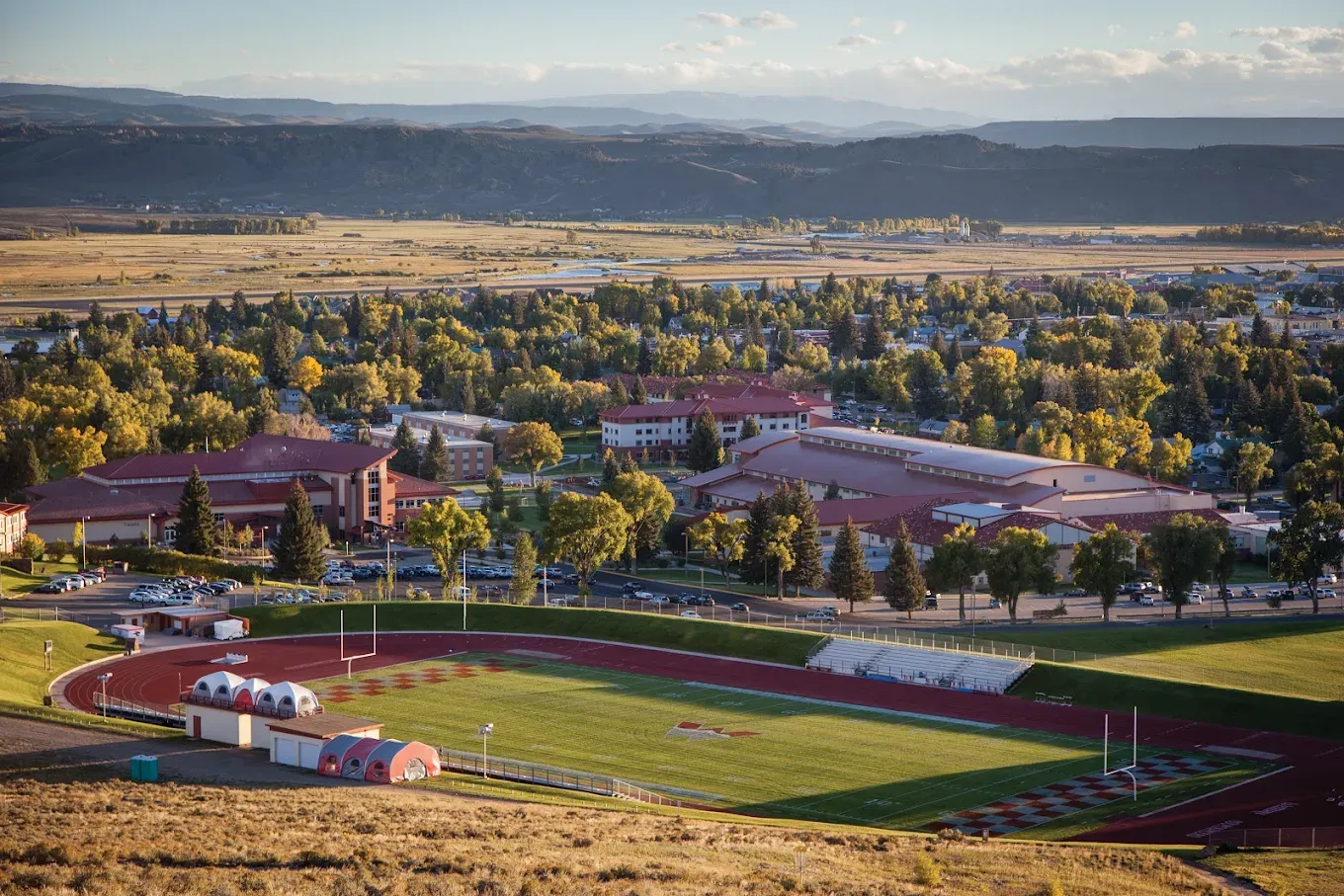
Western’s Recreation & Outdoor Education program emphasizes both leadership and environmental stewardship.
Highlights:
- Nearby access to national forests and mountain ranges
- Partnerships with the National Outdoor Leadership School (NOLS)
- Internship opportunities with outdoor recreation companies
3. Prescott College (Arizona)
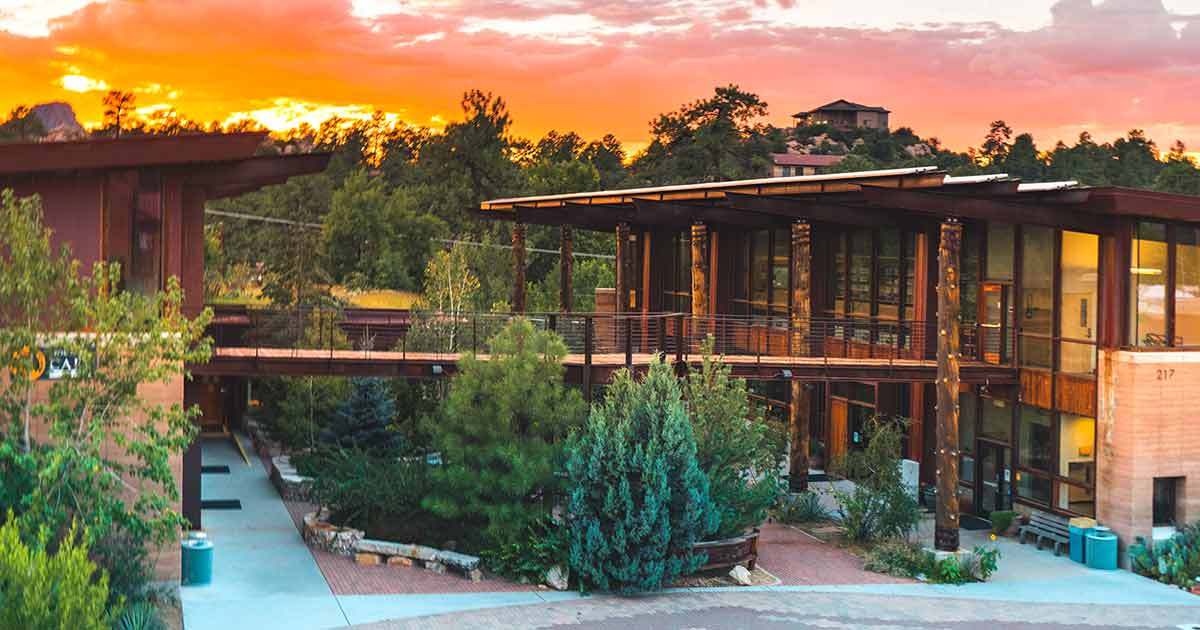
A pioneer in experiential learning, Prescott blends adventure, ecology, and social responsibility.
Why it’s unique:
- Field-based semesters exploring ecosystems from the desert to the coast
- Strong focus on sustainability and environmental justice
- Self-designed degree tracks in Outdoor Leadership or Adventure Education
4. Humboldt State University (California)

Located near redwood forests and the Pacific Coast, Humboldt offers one of the strongest Environmental & Outdoor Education programs on the West Coast. Perks:
- Fieldwork-heavy curriculum
- Access to coastal and mountain research centers
- Partnerships with environmental nonprofits and state parks
5. Appalachian State University (North Carolina)
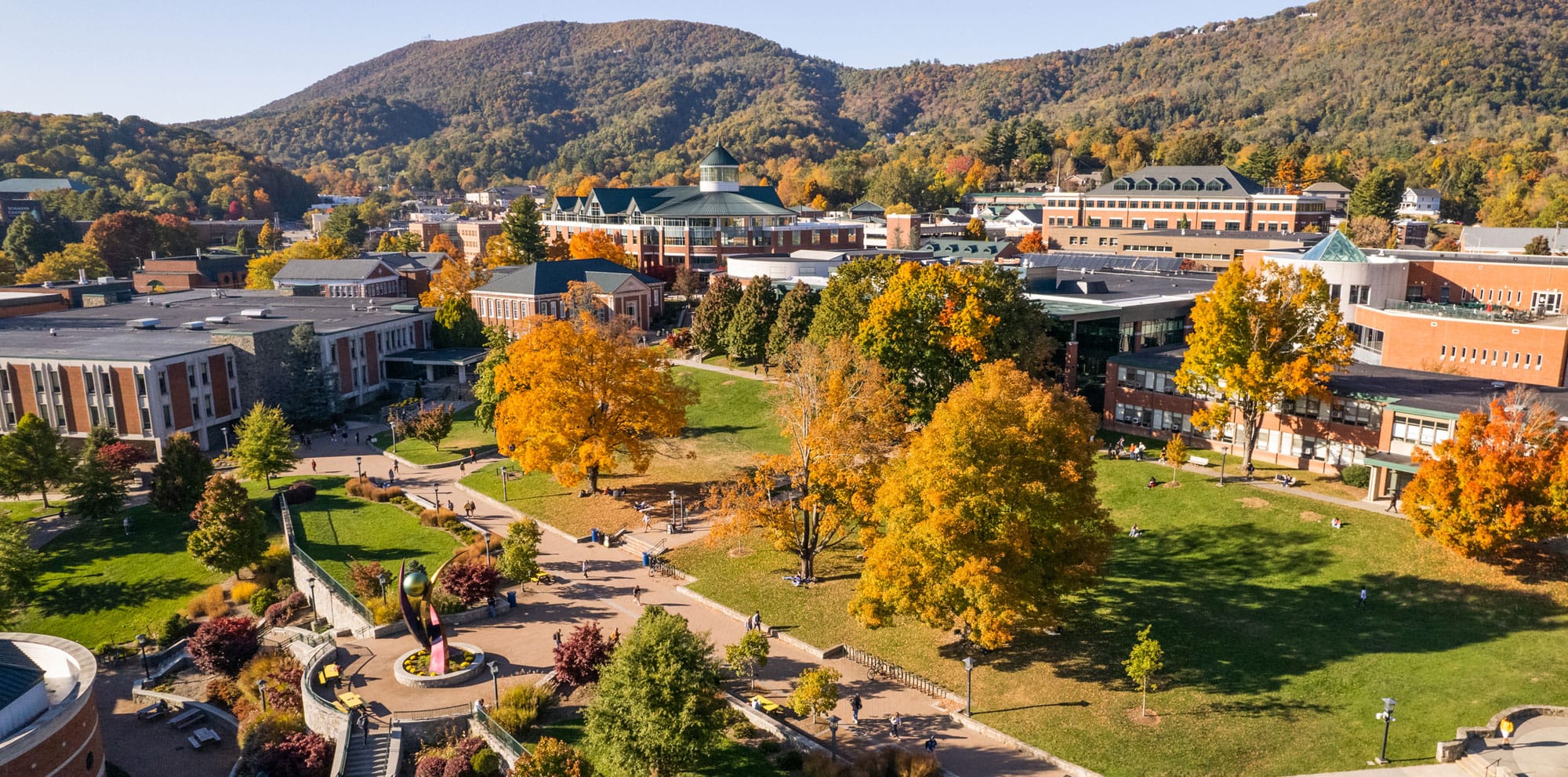
App State’s Recreation Management and Outdoor Experiential Education programs prepare students for leadership in outdoor adventure and education organizations. Key features:
- State-of-the-art outdoor recreation center
- Curriculum combining environmental science, education, and business
- Immersive trips across the Appalachian Mountains
More Top Colleges for Outdoor Education Worth Knowing

Five schools is a starting point, not a complete picture. Depending on your target climate, program focus, and budget, several other institutions deserve serious consideration. Peterson's list of the 20 best colleges for outdoor enthusiasts surfaces schools that are consistently mentioned by students and counselors alike, and a few of them belong on every outdoor education shortlist.
University of Colorado Boulder
CU Boulder is one of the most frequently cited schools when students talk about combining academics with outdoor access. Situated next to the Rocky Mountains, the campus puts skiing, climbing, and backcountry hiking within reach year-round. On Reddit's r/ApplyingToCollege, one student summed it up plainly: "CU Boulder for sure. It's so pretty too! But if OOS you gotta be able to afford it." Out-of-state tuition is a real variable to weigh, and it is worth running the numbers against in-state options before building your list.
CU Boulder also offers programs in environmental studies and ecology that pair well with an outdoor education career track. If your goal is park management, recreation leadership, or environmental advocacy, the school's size means strong internship pipelines and alumni networks in the Mountain West.
University of Alaska Fairbanks
For students drawn to wilderness education in its most expansive form, UAF offers something most programs cannot replicate: direct access to true backcountry. Peterson's highlights the university for dog sledding opportunities, proximity to aurora borealis viewing, and some of the most remote wilderness terrain in North America. If your outdoor education goals involve cold-weather survival skills, indigenous land stewardship, or Arctic ecology, UAF occupies a category of its own.
Warren Wilson College
Warren Wilson College in Swannanoa, North Carolina combines outdoor education with a distinctive work-learning model. Students participate in work crews that maintain the college's farm and land, connecting academic study to hands-on land stewardship in a way that is built into the institution's identity rather than offered as an add-on. For students who want outdoor education to be a lived experience rather than a course catalog entry, Warren Wilson's structure is worth a close look.
Not sure which of these schools actually fits your profile? Kollegio's AI College Recommender uses thousands of data points to match you to schools that align with your academic record, interests, and goals, so you are not just picking from a generic list. One student on Reddit noted: "They have all been super useful with creating my list, they give good information on SAT and GPA requirements, deadlines, and more!" Getting personalized recommendations is a faster, clearer starting point than researching each school from scratch.
How to Choose the Right Program
When comparing outdoor education colleges, consider:
- Location: Mountains, forests, or coastal areas offer unique ecosystems and learning experiences.
- Program Focus: Some schools emphasize environmental science, others focus on education, recreation, or leadership.
- Fieldwork Requirements: Look for programs that include internships or field-based semesters.
- Scholarship Opportunities: Many schools — like Paul Smith’s College — offer merit-based or need-based aid for students pursuing environmental studies.
Pro Tip: Use Kollegio to discover colleges that match your outdoor education interests, financial goals, and scholarship eligibility — all in one place.
What Accreditation and Program Outcomes Should You Look For?
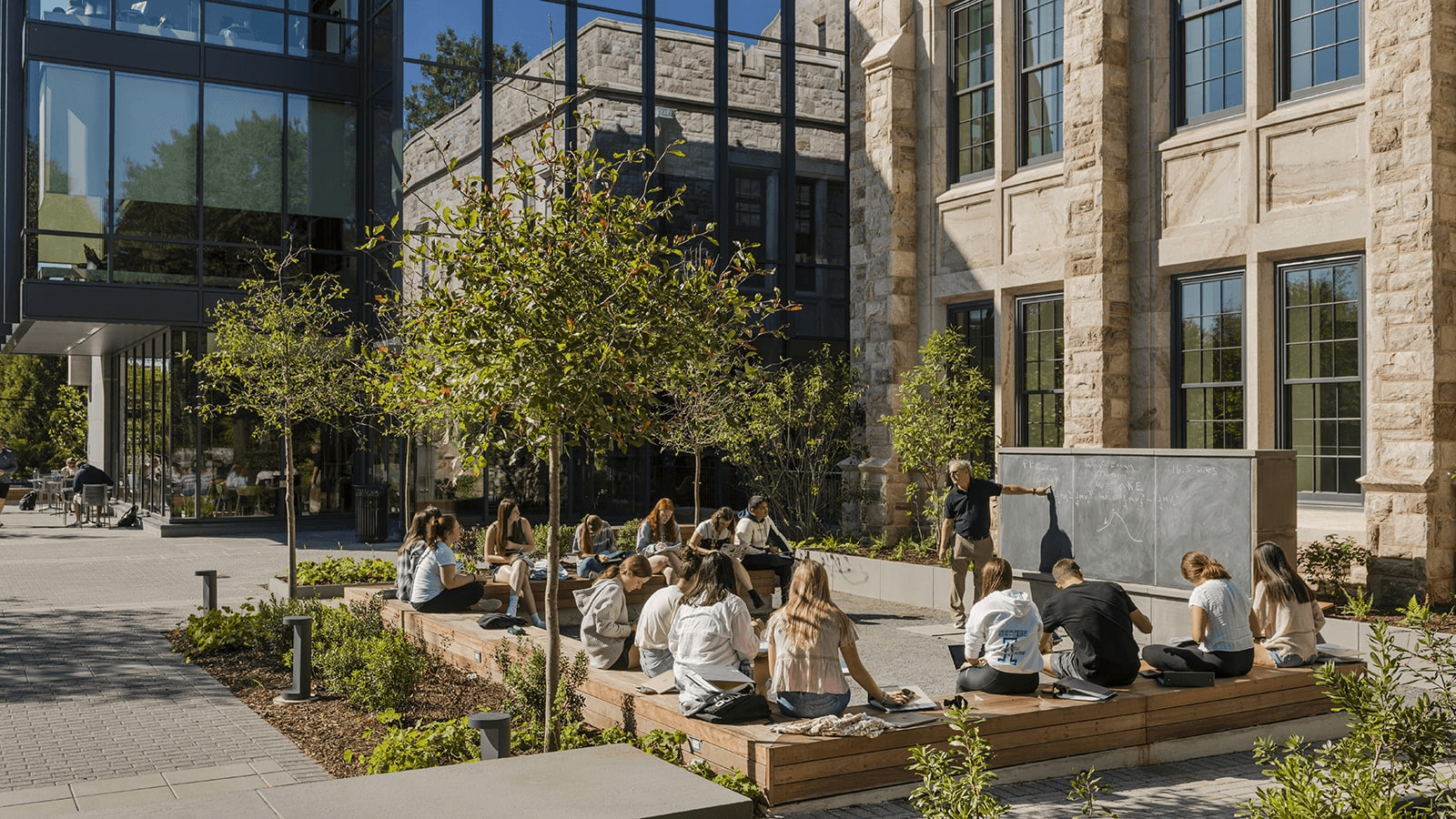
Outdoor education is a specialized field, and not every program that carries the name is built the same way. Before you commit to a school, there are a handful of concrete program-quality signals that go far beyond reading a course catalog page.
Regional Accreditation Is the Baseline
Regional accreditation confirms that a program meets independently evaluated standards for academic quality and that your credits will transfer if your plans change. New England College's B.A. in Outdoor Education, for example, is accredited by the New England Commission of Higher Education (NECHE), a concrete quality signal that prospective students can verify before applying. When you are comparing programs, check which regional accrediting body covers the school and confirm that the outdoor education degree itself (not just the institution) is clearly recognized.
Certification Pathways Built Into the Curriculum
The strongest outdoor education programs build industry-recognized credentials into the degree rather than treating them as optional extras. Look for programs that integrate Wilderness First Responder (WFR) and Leave No Trace (LNT) certification pathways as part of the curriculum, the way NEC's program does. These credentials travel with you into the workforce and signal competency to employers in outdoor leadership, environmental education, and recreation management far more clearly than a transcript alone.
Evaluating these program-quality signals across multiple schools benefits from a structured approach. Kollegio's AI College Counselor can help you organize your thinking, compare programs, and make sure you are asking the right questions before you apply, guiding you through the process the way a counselor would, at no cost.
Scholarships for Outdoor Education Majors
Outdoor education often attracts students passionate about sustainability and community service — traits that many scholarship committees value. Check out:
- The Sierra Club Foundation Scholarship – for students pursuing environmental careers
- National Recreation Foundation Scholarship – for recreation and leadership majors
- Paul Smith’s College Adirondack Scholarship – for regional students committed to environmental stewardship
You can use Kollegio.ai’s Scholarship Recommender to find additional scholarships based on your GPA, field of study, and background.
Careers in Outdoor Education
Graduates from outdoor education programs go on to careers such as:
- Environmental Educator or Outdoor Instructor
- Wilderness Guide or Park Ranger
- Sustainability Coordinator
- Camp or Recreation Director
- Adventure Therapy Specialist
The demand for leaders who can teach, protect, and inspire others through outdoor experiences continues to grow — especially as environmental awareness becomes a global priority.
Final Thoughts
If you’re passionate about nature, adventure, and education, outdoor education might be your dream path. Schools like Paul Smith’s College, Western Colorado, and Prescott College give students the perfect mix of academic rigor and outdoor exploration.
With the right program — and the right scholarships — you can turn your love for the outdoors into a rewarding, sustainable career.
Explore your best-fit schools and scholarships today at Kollegio.ai